Massachusetts Uber, Lyft drivers certify first statewide ride-hailing union amid automation fears - AP News
7 distinct publishers · 1 wire-service items · do not treat total articles as independent confirmations.
Ownership mix: Other: 7
7 publishers · 7 articles · switch to 1-minute for disagreement and framing.
What happened
Massachusetts Uber, Lyft drivers certify first statewide ride-hailing union amid automation fears AP News
Why the coverage differs
AI-assisted comparison · labeled · generated May 26, 2026, 11:28 AM · not a verdict
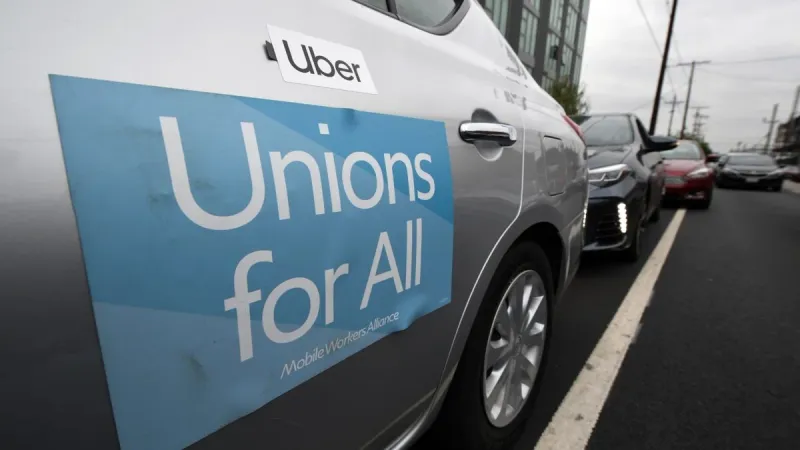
In Massachusetts, ride-share drivers for companies like Uber and Lyft have officially formed a union, marking a significant development as the first such union in the U.S. for ride-share workers. This event reflects ongoing discussions about gig economy labor rights and the classification of workers.
Coverage diverges in how the unionization is framed. The New York Times emphasizes the formal recognition of the union while also highlighting the complexities of gig worker employment, suggesting a cautious optimism. Gizmodo questions the implications of this unionization, pointing out the unusual nature of gig worker employment. In contrast, Quartz and Hacker News focus on the achievement itself, framing it as a historic win without delving deeply into the nuances of gig worker rights.
Comparison summary
AI-assisted · Cerebras / Llama · May 26, 2026, 11:28 AM · inspect sources below rather than trusting this alone
In Massachusetts, ride-share drivers for companies like Uber and Lyft have officially formed a union, marking a significant development as the first such union in the U.S. for ride-share workers. This event reflects ongoing discussions about gig economy labor rights and the classification of workers.
Coverage diverges in how the unionization is framed. The New York Times emphasizes the formal recognition of the union while also highlighting the complexities of gig worker employment, suggesting a cautious optimism. Gizmodo questions the implications of this unionization, pointing out the unusual nature of gig worker employment. In contrast, Quartz and Hacker News focus on the achievement itself, framing it as a historic win without delving deeply into the nuances of gig worker rights.
No outlet has addressed the potential challenges the new union may face in negotiating with large corporations like Uber and Lyft, particularly regarding worker classification and benefits. This omission leaves a gap in understanding the practical implications of the union's formation, which is crucial for assessing its future effectiveness.
Report timeline
Oldest → newest among clustered members. Gaps may mean delayed pickup, not silence.
-
May 25, 2026, 2:29 PMNYT — Business · Lean LeftRide-Share Drivers in Massachusetts Formally Unionize
-
May 26, 2026, 2:00 AMGizmodo · Lean LeftMassachusetts Rideshare Drivers Just Officially Unionized. Sort of
-
May 26, 2026, 6:42 AM
-
May 26, 2026, 8:58 AMHacker News (Newest) · CenterUber, Lyft drivers in Massachusetts form first US ride-share union
-
May 26, 2026, 1:40 PMThe Washington Times · RightMassachusetts Uber, Lyft drivers certify first statewide ride-hailing union amid automation fears
-
May 26, 2026, 5:01 PMGoogle News · Wire (factual)Massachusetts Uber, Lyft drivers certify first statewide ride-hailing union amid automation fears - AP News
-
May 26, 2026, 11:01 PMInvesting.com — News · CenterUber, Lyft drivers in Massachusetts form first US ride-share union
Coverage by perspective
Perspective labels are external consensus ratings (AllSides / Ad Fontes / MBFC-style), not WeSearch truth scores. Center is not automatically more accurate.
Lean Left · 2
Center · 3
Right · 1

Wire (factual) · 1
Headline framing
Vocabulary fingerprints · not a political endorsement
The headlines report on the unionization of rideshare drivers in Massachusetts, with varying emphasis on the formalization and significance of this achievement.
Bias/ownership: published methodology on source profiles · AI text always labeled · no reader paywall · no engagement ranking of news · transparency · contribute Ws · home