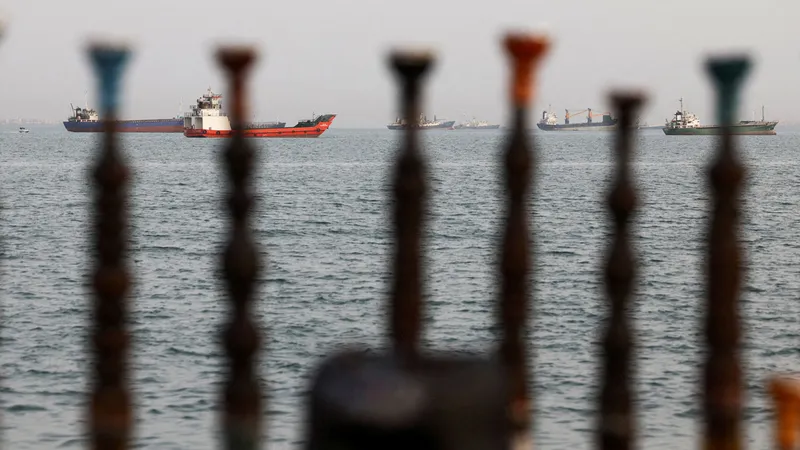
CLUSTER · 14 SOURCES
Oil prices tumble as deal to end Iran war appears close, though Trump says there's no rush - Morningstar
First seen 5/24/2026, 3:47:30 AM · 14 sources · cross-spectrum coverage
AI bias-comparison
Negotiations between the U.S. and Iran are reportedly nearing a deal that would involve a 60-day ceasefire extension, during which the Strait of Hormuz would be reopened and Iran would be allowed to sell oil. This agreement is said to include discussions on Iran's nuclear program, according to Axios.
Coverage diverges in how the implications of the deal are framed. The Straits Times emphasizes the negotiations and the potential for a ceasefire, focusing on the diplomatic aspects. In contrast, The Jerusalem Post highlights the broader geopolitical consequences, suggesting that the deal could lead to lifting oil sanctions and ending the conflict in Lebanon, thus presenting a more optimistic view of the agreement's potential outcomes.
What's missing from the coverage is a detailed analysis of the potential risks and challenges associated with the deal, such as the reactions from regional allies or the implications for U.S. domestic politics. This lack of critical context is particularly notable in the more optimistic framing by The Jerusalem Post.
Headline framing
The headlines cover a proposed US-Iran deal involving a ceasefire and the opening of the Strait of Hormuz, with varying emphasis on potential benefits.
USED BY THE LEFT ONLY
none
USED BY THE RIGHT ONLY
lift oil sanctionsend Lebanon war
PER-SOURCE FRAMING
Proposed US-Iran deal involves opening strait during 60-day ceasefire extension: Reports
ceasefire extension
The headline presents a factual report on a proposed deal without strong evaluative language.
Lean Right
Jerusalem Post
US-Iran 60 day deal will open Strait of Hormuz, lift oil sanctions, end Lebanon war - report
lift oil sanctionsend Lebanon war
The headline emphasizes positive outcomes of the deal, suggesting significant geopolitical benefits.
Axios says proposed US-Iran deal involves opening strait during 60-day ceasefire extension
ceasefire extension
This headline also reports on the proposed deal, echoing a similar tone to the first.
Coverage by perspective
Center · 10 sources
Google News
Center
Oil prices tumble as deal to end Iran war appears close, though Trump says there's no rush - Morningstar
Comprehensive up-to-date news coverage, aggregated from sources all over the world by Google News.
Mixed Factuality · Other
Google News
Center
Oil prices tumble as deal to end Iran war appears close, though Trump says there's no rush - Morningstar
Comprehensive up-to-date news coverage, aggregated from sources all over the world by Google News.
Mixed Factuality · Other
BBC News
Center
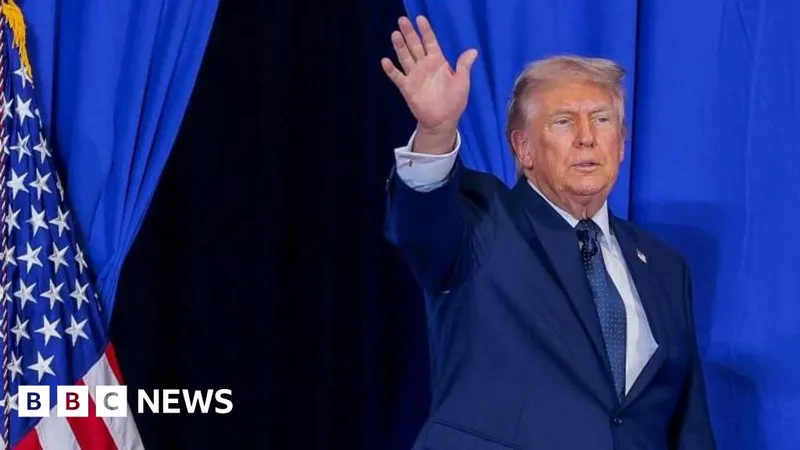
Trump tells US negotiators 'not to rush' into deal with Iran
The deal under discussion would involve a 60-day ceasefire extension during which the Strait of Hormuz would be reopened, according to US media.
High Factuality · Government-funded
Google News
Center
Trump says there's no rush as deal to end Iran war, reopen Strait of Hormuz appears close - Morningstar
Comprehensive up-to-date news coverage, aggregated from sources all over the world by Google News.
Mixed Factuality · Other
MarketWatch — Top Stories
Center
Trump says there’s no rush as deal to end Iran war, reopen Strait of Hormuz appears close
Mixed Factuality · Other

Crypto Briefing
Center
US and Iran near deal to reopen Strait of Hormuz, lift oil sanctions
US and Iran are nearing a deal to reopen the Strait of Hormuz and lift oil sanctions. Agreement by May 26 at 70% YES.
Mixed Factuality · Other
Investing.com — News
Center
US, Iran near deal to reopen Strait of Hormuz during ceasefire extension - Axios
Mixed Factuality · Other
Investing.com — News
Center
Axios says proposed US-Iran deal involves opening strait during 60-day ceasefire extension
Mixed Factuality · Other

Straits Times — World
Center
Axios says proposed US-Iran deal involves opening strait during 60-day ceasefire extension
May 23 - The U.S. and Iran are close to signing a deal involving a 60-day ceasefire extension, during which the Strait of Hormuz would be reopened, Iran would be able to freely sel…
Mixed Factuality · Other

Straits Times — World
Center
Proposed US-Iran deal involves opening strait during 60-day ceasefire extension: Reports
Negotiations would be held on curbing Iran’s nuclear program, Axios reported. Read more at straitstimes.com. Read more at straitstimes.com.
Mixed Factuality · Other
Bias ratings: AllSides Media Bias Chart + Ad Fontes + MBFC consensus.
AI comparison: Cerebras Llama 3.3-70B with light editorial prompt.
No paywall, no tracking, reader-funded — support →