Our Munitions Mess Is Even Worse Than You Think
2 distinct publishers, one article each in this sample.
Ownership mix: Independent: 1 · Other: 1
2 publishers · 2 articles · switch to 1-minute for disagreement and framing.
What happened
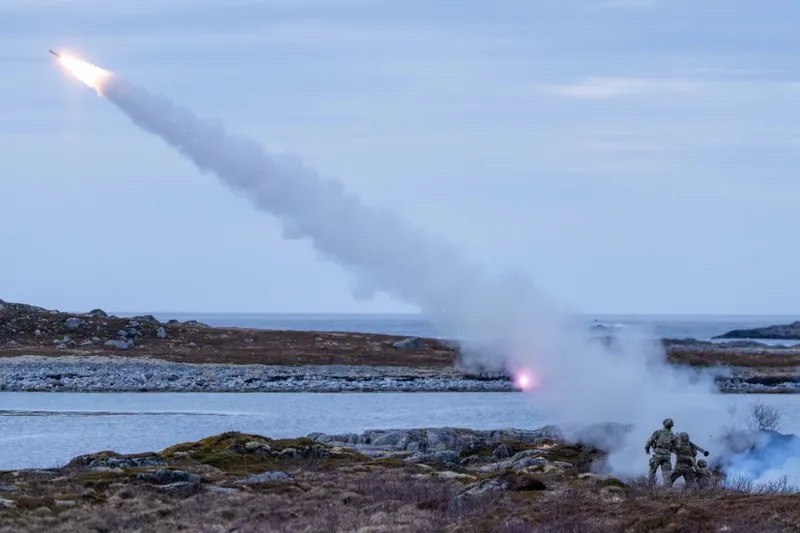
If American weapons stockpiles are running low after just five months of war against Iran, the discouraging prognosis for fending off China ought to jolt us into radical changes, writes Aaron MacLean.
Why the coverage differs
AI-assisted comparison · labeled · generated just generated or not yet stored · not a verdict
The provided cluster contains two distinct, unrelated stories rather than a single event. The New York Times reports on the Trump administration’s plan to privatize ICE detention facilities, framing it as a worsening of existing conditions. The Free Press publishes an opinion piece by Aaron MacLean arguing that US munitions stockpiles are critically low following five months of conflict with Iran, urging strategic shifts to counter China.
Coverage diverges entirely because the outlets address separate geopolitical and domestic policy issues. The New York Times leads with the administrative and humanitarian implications of private prison contracts, emphasizing the deterioration of detention standards. The Free Press focuses on military industrial capacity, highlighting supply chain vulnerabilities and the perceived inadequacy of current defense spending. Neither outlet references the other’s subject matter, resulting in zero overlap in narrative framing or factual claims.
Comparison summary
AI-assisted · Cerebras / Llama · just generated or not yet stored · inspect sources below rather than trusting this alone
The provided cluster contains two distinct, unrelated stories rather than a single event. The New York Times reports on the Trump administration’s plan to privatize ICE detention facilities, framing it as a worsening of existing conditions. The Free Press publishes an opinion piece by Aaron MacLean arguing that US munitions stockpiles are critically low following five months of conflict with Iran, urging strategic shifts to counter China.
Coverage diverges entirely because the outlets address separate geopolitical and domestic policy issues. The New York Times leads with the administrative and humanitarian implications of private prison contracts, emphasizing the deterioration of detention standards. The Free Press focuses on military industrial capacity, highlighting supply chain vulnerabilities and the perceived inadequacy of current defense spending. Neither outlet references the other’s subject matter, resulting in zero overlap in narrative framing or factual claims.
What is missing is any comparative analysis linking domestic institutional changes to foreign policy outcomes, as the stories operate in isolated silos. This lack of synthesis is a blindspot for both sides, as neither connects the administrative restructuring of law enforcement to broader national security or resource allocation debates.
Report timeline
Oldest → newest among clustered members. Gaps may mean delayed pickup, not silence.
-
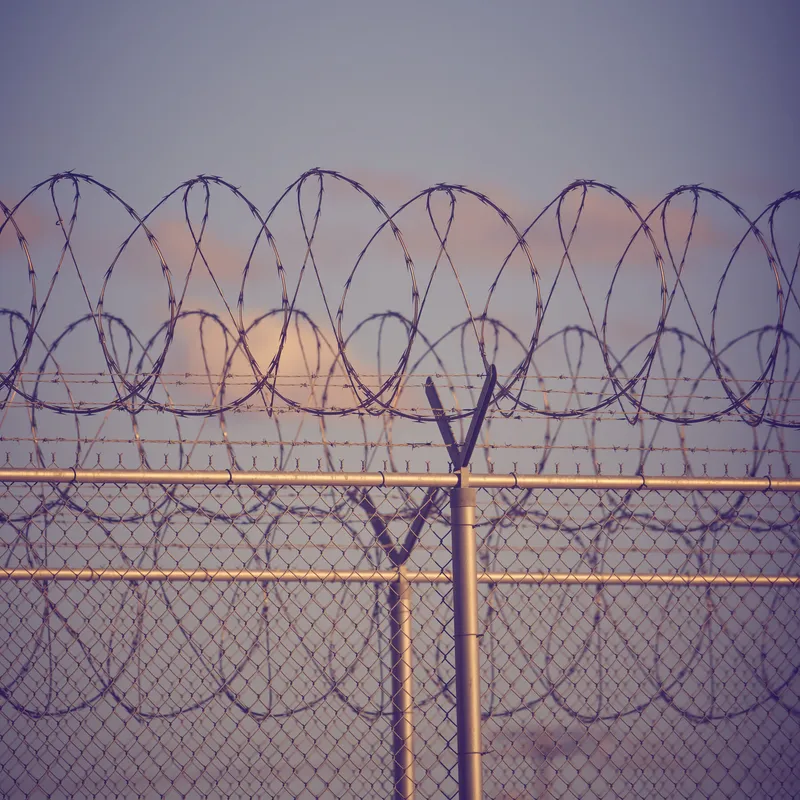
Jul 27, 2026, 11:42 AMNYT > Top Stories · Lean LeftIf You Think ICE Detention is Bad Now, Privatization Will Make It Worse
-
Jul 27, 2026, 7:10 PMThe Free Press · Lean RightOur Munitions Mess Is Even Worse Than You Think
Coverage by perspective
Perspective labels are external consensus ratings (AllSides / Ad Fontes / MBFC-style), not WeSearch truth scores. Center is not automatically more accurate.
Lean Left · 1
Lean Right · 1
Headline framing
Vocabulary fingerprints · not a political endorsement
AI framing analysis temporarily offline. Configure Cerebras in admin to enable framing comparison.
Bias/ownership: published methodology on source profiles · AI text always labeled · no reader paywall · no engagement ranking of news · transparency · contribute Ws · home