The Iran War’s Ramifications Have Only Just Begun
AI bias-comparison
The United States engaged in military conflict with Iran, prompting international concern over regional stability, maritime security in the Strait of Hormuz, and broader geopolitical consequences. While the immediate fighting has subsided into a ceasefire, the situation remains tense, with global powers calling for de-escalation. The conflict has not achieved stated U.S. objectives, according to early assessments.
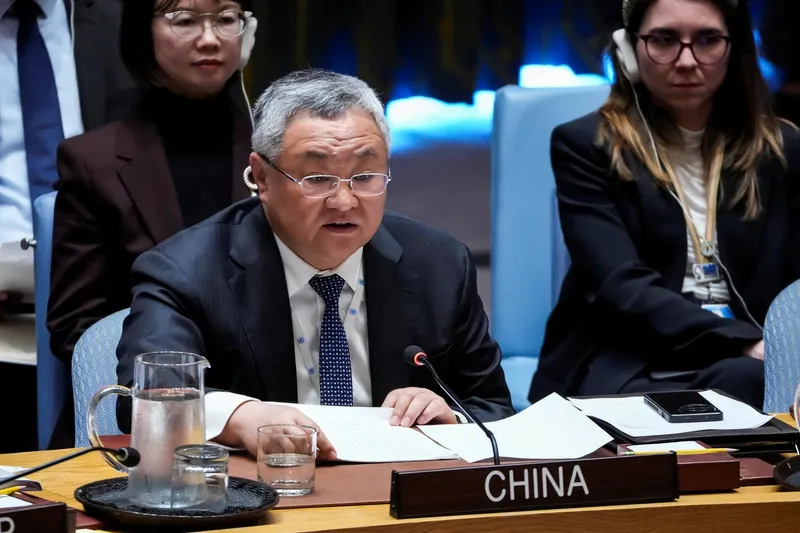
Coverage diverges in emphasis and framing. The Atlantic, leaning left, focuses on the long-term disruptions and unmet U.S. goals, framing the war as a strategic failure with enduring consequences. Vox, also left-leaning, shifts focus to China’s strategic takeaways, particularly U.S. military vulnerabilities and implications for Taiwan. In contrast, the center-leaning Korea Times highlights China’s diplomatic stance, quoting its U.N. ambassador’s call for maintaining the ceasefire, but cuts off before fully addressing regional security implications.
No outlet provides detailed analysis of Iran’s post-war position or includes voices from Iranian officials or regional actors beyond China. This omission reflects a Western media blindspot in center and left-leaning outlets, which prioritize U.S. and Chinese perspectives over those directly affected.
Headline framing
Headlines from lean-left outlets emphasize long-term consequences and strategic lessons from the Iran war, while the center outlet focuses on diplomatic efforts to sustain a ceasefire without evaluative language.
Coverage by perspective
Lean Left · 2 sources


Center · 1 source
Bias ratings: AllSides Media Bias Chart + Ad Fontes + MBFC consensus. AI comparison: Cerebras Llama 3.3-70B with light editorial prompt. No paywall, no tracking, reader-funded — support →