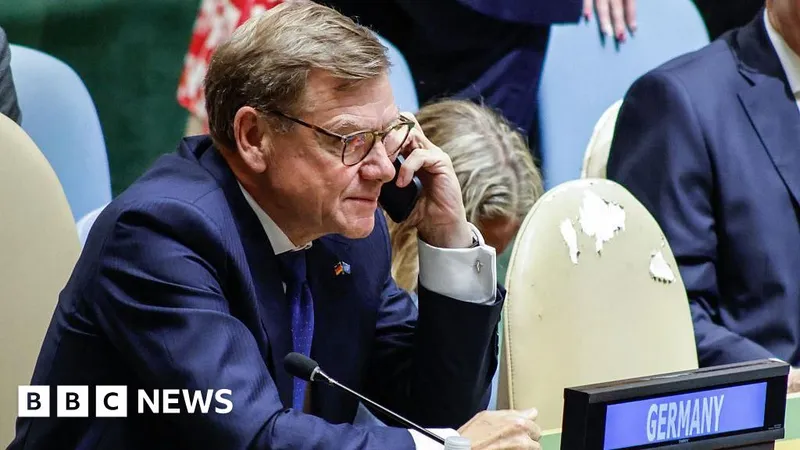
Germany blames Russia for 'bitter defeat' in UN Security Council bid
AI bias-comparison
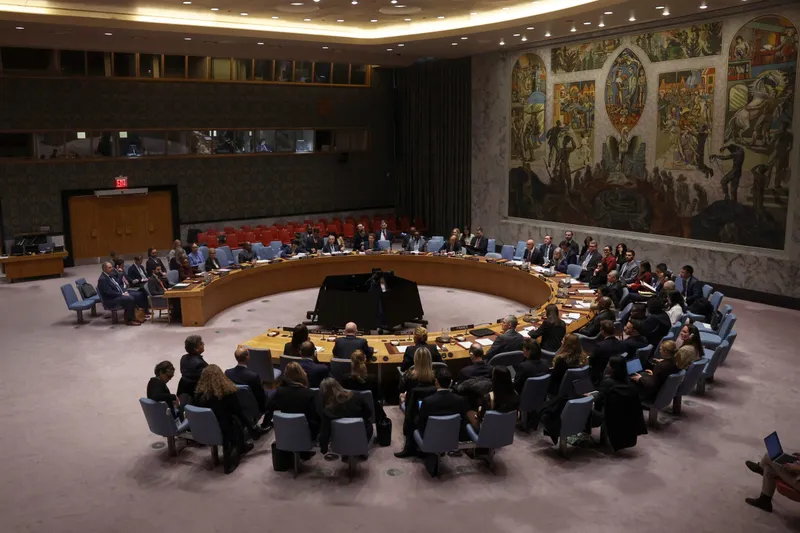
The Philippines recently lost its bid for a non-permanent seat on the United Nations Security Council to Kyrgyzstan. This event highlights the competitive nature of international diplomacy and the influence of geopolitical alliances on such elections.
Coverage diverges in the emphasis placed on different aspects of the event. Rappler focuses on the implications of the Philippines' loss, framing it within the context of the UN's power dynamics. In contrast, The Straits Times highlights Germany's assertion that Russia played a role in undermining support for its own bid, suggesting a more complex geopolitical backdrop. Google News aggregates these perspectives without providing a distinct angle, presenting the information in a straightforward manner.
What's missing from the coverage is an exploration of the broader implications of the Philippines' loss on its foreign policy and regional standing, which could provide deeper insight into the significance of this event. This gap may reflect a blind spot in left-leaning and center outlets, which focus more on immediate reactions rather than long-term consequences.
Headline framing
The headlines cover the Philippines' loss in a UN bid and Germany's claim about Russia's role in opposition, with varying degrees of framing.
Coverage by perspective
Lean Left · 1 source
Center · 2 sources
Wire (factual) · 1 source
Bias ratings: AllSides Media Bias Chart + Ad Fontes + MBFC consensus. AI comparison: Cerebras Llama 3.3-70B with light editorial prompt. No paywall, no tracking, reader-funded — support →