GE’s nugget ice maker is nearly half off if you buy it refurbished
3 distinct publishers, one article each in this sample.
Ownership mix: Other: 3
3 publishers · 3 articles · switch to 1-minute for disagreement and framing.
What happened
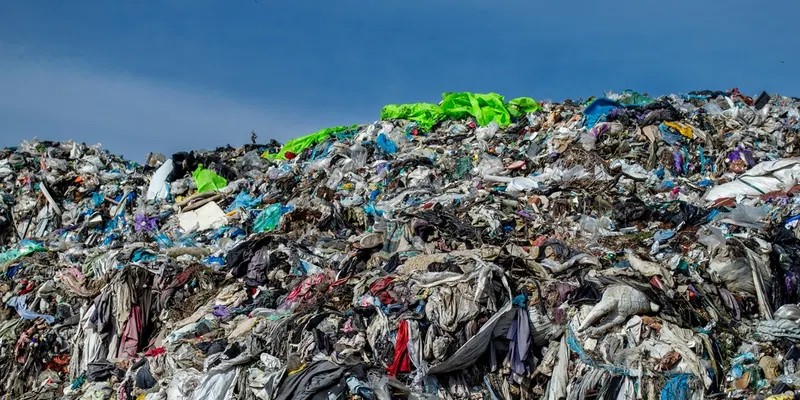
The global consumption of clothing is enormous. However, a significant portion of the textile fibres is lost before the garments even reach the market.
Why the coverage differs
AI-assisted comparison · labeled · generated May 29, 2026, 11:45 PM · not a verdict
A recent report highlights that nearly half of the materials used to produce T-shirts are wasted before they reach consumers. This finding underscores the significant environmental impact of the clothing industry, as a large portion of textile fibers is lost during production (Phys.org, Norwegian SciTech News).
Coverage diverges in focus, with Phys.org and Norwegian SciTech News emphasizing the environmental implications of textile waste, while The Verge shifts attention to a consumer product unrelated to the T-shirt waste issue. The latter outlet's piece on a discounted ice maker does not address the environmental concerns raised by the other two sources, which provide a more serious examination of clothing waste.
Comparison summary
AI-assisted · Cerebras / Llama · May 29, 2026, 11:45 PM · inspect sources below rather than trusting this alone
A recent report highlights that nearly half of the materials used to produce T-shirts are wasted before they reach consumers. This finding underscores the significant environmental impact of the clothing industry, as a large portion of textile fibers is lost during production (Phys.org, Norwegian SciTech News).
Coverage diverges in focus, with Phys.org and Norwegian SciTech News emphasizing the environmental implications of textile waste, while The Verge shifts attention to a consumer product unrelated to the T-shirt waste issue. The latter outlet's piece on a discounted ice maker does not address the environmental concerns raised by the other two sources, which provide a more serious examination of clothing waste.
What's missing from all outlets is a discussion on potential solutions or initiatives aimed at reducing textile waste in the fashion industry. This absence leaves a gap in understanding how the industry might address the environmental issues highlighted in the reports.
Report timeline
Oldest → newest among clustered members. Gaps may mean delayed pickup, not silence.
-
May 26, 2026, 4:40 AMPhys.org · CenterNearly half of every T-shirt goes to waste before you even buy it
-
May 26, 2026, 5:27 AMNorwegian SciTech News · CenterNearly half (44%) of every T-shirt goes to waste before you even buy it
-
May 26, 2026, 11:50 AMThe Verge · CenterGE’s nugget ice maker is nearly half off if you buy it refurbished
Coverage by perspective
Perspective labels are external consensus ratings (AllSides / Ad Fontes / MBFC-style), not WeSearch truth scores. Center is not automatically more accurate.
Center · 3

Headline framing
Vocabulary fingerprints · not a political endorsement
The headlines from various sources focus on waste in T-shirt production and a discount on a refurbished ice maker, all maintaining a neutral tone.
Bias/ownership: published methodology on source profiles · AI text always labeled · no reader paywall · no engagement ranking of news · transparency · contribute Ws · home