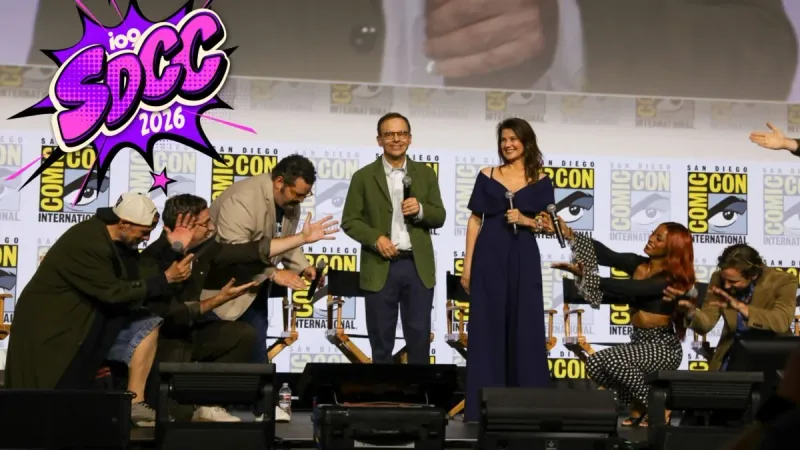
The Heartwarming Reason Why ‘Spaceballs 2’ Went to Comic-Con
2 distinct publishers across 3 articles (some outlets filed more than once).
Ownership mix: Public corporation: 2 · Other: 1
2 publishers · 3 articles · switch to 1-minute for disagreement and framing.
What happened
In just 72 hours at San Diego Comic-Con, amid a sea of trailers, star-studded surprises and 150,000 screaming fans, Hollywood re-wrote the marketing script for this year’s movie calendar.
Why the coverage differs
AI-assisted comparison · labeled · generated Jul 27, 2026, 10:11 PM · not a verdict
The San Diego Comic‑Con ran for three days, featuring dozens of film trailers, celebrity appearances and an estimated 150,000 attendees. Industry analysts noted that the event served as a major platform for studios to shape the upcoming movie release calendar.
The Sydney Morning Herald, positioned in the centre, opened its story with the scale of the audience and the strategic marketing impact, framing the convention as a “knockout punch” for Hollywood’s slate. Gizmodo, leaning left, led with a human‑interest angle, highlighting a “heart‑warming” motive behind the appearance of *Spaceballs 2* and largely omitted the fan‑count and broader industry implications. Both outlets repeated the same headline, but the SMH pieces stressed commercial significance while Gizmodo emphasized emotional storytelling.
Comparison summary
AI-assisted · Cerebras / Llama · Jul 27, 2026, 10:11 PM · inspect sources below rather than trusting this alone
The San Diego Comic‑Con ran for three days, featuring dozens of film trailers, celebrity appearances and an estimated 150,000 attendees. Industry analysts noted that the event served as a major platform for studios to shape the upcoming movie release calendar.
The Sydney Morning Herald, positioned in the centre, opened its story with the scale of the audience and the strategic marketing impact, framing the convention as a “knockout punch” for Hollywood’s slate. Gizmodo, leaning left, led with a human‑interest angle, highlighting a “heart‑warming” motive behind the appearance of *Spaceballs 2* and largely omitted the fan‑count and broader industry implications. Both outlets repeated the same headline, but the SMH pieces stressed commercial significance while Gizmodo emphasized emotional storytelling.
None of the three pieces referenced reactions from independent filmmakers or the presence of non‑mainstream genre panels, a gap most evident in the centre‑leaning coverage.
Report timeline
Oldest → newest among clustered members. Gaps may mean delayed pickup, not silence.
-
Jul 26, 2026, 7:30 PMThe Sydney Morning Herald · CenterFrom Spaceballs to Avengers – Comic-Con delivers a knockout punch
-
Jul 26, 2026, 10:45 PMThe Sydney Morning Herald · CenterFrom Spaceballs to Avengers – Comic-Con delivers a knockout punch
-
Jul 27, 2026, 9:37 PMGizmodo · Lean LeftThe Heartwarming Reason Why ‘Spaceballs 2’ Went to Comic-Con
Coverage by perspective
Perspective labels are external consensus ratings (AllSides / Ad Fontes / MBFC-style), not WeSearch truth scores. Center is not automatically more accurate.
Lean Left · 1
Center · 2
Headline framing
Vocabulary fingerprints · not a political endorsement
The Sydney Morning Herald (center) describes Comic‑Con with energetic language, while Gizmodo (lean‑left) highlights a sentimental angle, using distinct loaded terms.
Bias/ownership: published methodology on source profiles · AI text always labeled · no reader paywall · no engagement ranking of news · transparency · contribute Ws · home