Trump warns Iran blockade could last months, sending oil soaring
AI bias-comparison
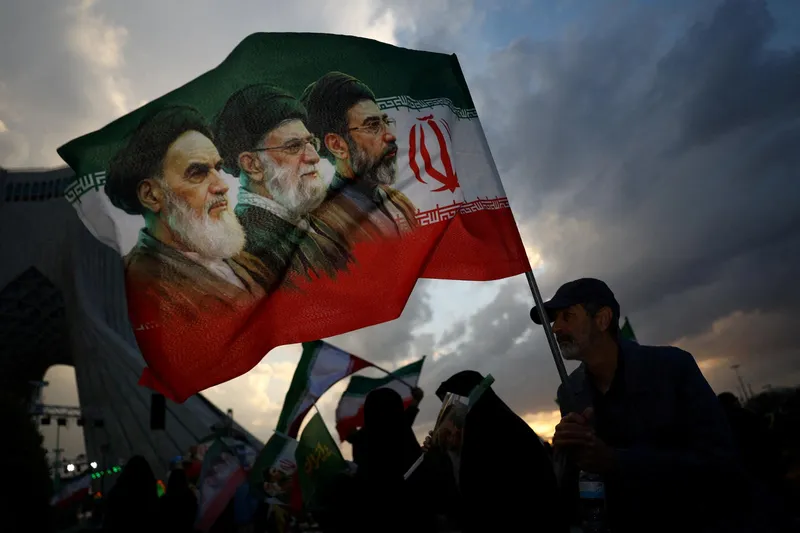
What happened: The price of Brent crude oil surged past $126 a barrel, reaching its highest level since 2022, amid heightened tensions in the Persian Gulf. Former U.S. President Donald Trump warned that a naval blockade targeting Iran could last for months, while Iranian leaders, including Supreme Leader Ayatollah Khamenei, defiantly rejected U.S. pressure and vowed continued resistance. The Strait of Hormuz has seen severely restricted traffic, contributing to market volatility.
Where coverage diverges: Center outlets like *The Straits Times* and *Korea Times* focused on the economic impact and mutual posturing, framing the event as a standoff with global energy consequences. *The Guardian*, *NBC News*, and *Le Monde* emphasized Trump’s aggressive stance and the risk of prolonged conflict, often highlighting Iran’s defiance as a response to U.S. escalation. In contrast, *Hacker News* and *Reddit* foregrounded Iranian resistance, with headlines suggesting the blockade is already being defied, subtly shifting blame toward U.S. policy overreach.
What's missing: No outlet provided analysis from independent energy experts or maritime trade monitors on the actual volume of oil flowing through the Strait of Hormuz, leaving readers without verifiable data on the blockade’s real-world effectiveness—a blind spot particularly evident in left-leaning and center coverage that assumed the blockade’s severity without evidence.
Headline framing
AI framing analysis temporarily offline. Configure Cerebras in admin to enable framing comparison.
Coverage by perspective
Lean Left · 3 sources


Center · 5 sources

Bias ratings: AllSides Media Bias Chart + Ad Fontes + MBFC consensus. AI comparison: Cerebras Llama 3.3-70B with light editorial prompt. No paywall, no tracking, reader-funded — support →