Trump tells aides to prepare for lengthy Iran blockade
AI bias-comparison
The United States, under President Donald Trump, is preparing for an extended naval blockade of Iran, with a focus on the Strait of Hormuz, according to multiple reports citing the Wall Street Journal. The move aims to restrict Iran’s oil exports by halting vessels to and from its ports, intensifying economic pressure during an ongoing conflict now in its third month. The effort reflects a strategy of sustained coercion, potentially prolonging regional tensions without an immediate diplomatic resolution.
Center-leaning outlets like The Straits Times, Japan Times, and The Sydney Morning Herald frame the story as a strategic escalation with uncertain long-term outcomes, emphasizing the halt in fighting but absence of peace. They rely on neutral language and attribute claims to the WSJ. In contrast, the New York Post uses more emotive framing—“Tehran’s economy collapses”—to underscore the punitive impact, aligning with a right-leaning narrative that portrays the blockade as a successful pressure tactic. Real Clear Defense, while similarly supportive, focuses on military readiness without economic commentary.
No outlet in the cluster provides analysis from Iranian officials or independent energy experts on the actual impact of the blockade on global oil markets or regional shipping lanes. This absence represents a blind spot across the spectrum, but particularly for right-leaning sources that highlight economic collapse without offering data or external verification.
Headline framing
Most center outlets report the story neutrally, emphasizing preparation and duration of a potential blockade. The New York Post adds a right-leaning frame by highlighting Iran's economic collapse, a term not used elsewhere.
Coverage by perspective
Center · 5 sources
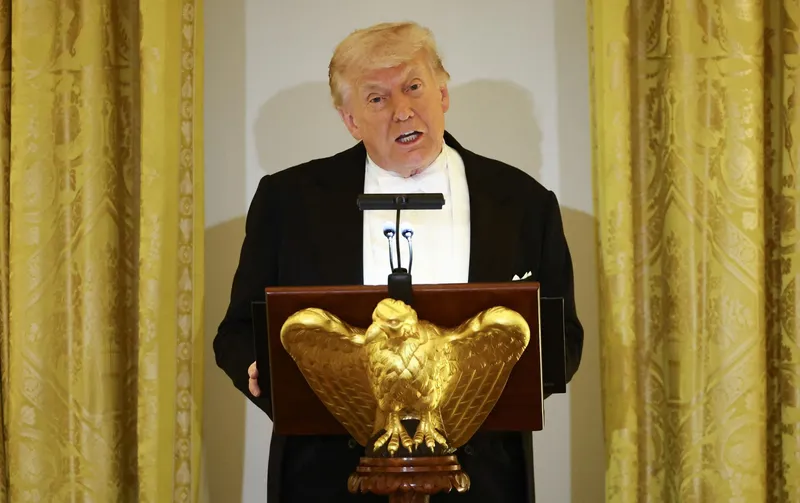

Lean Right · 1 source
Right · 1 source

Bias ratings: AllSides Media Bias Chart + Ad Fontes + MBFC consensus. AI comparison: Cerebras Llama 3.3-70B with light editorial prompt. No paywall, no tracking, reader-funded — support →