Abdul El-Sayed's Unanswered Questions
2 distinct publishers, one article each in this sample.
Ownership mix: Other: 1 · Independent: 1
2 publishers · 2 articles · switch to 1-minute for disagreement and framing.
What happened
Rod Dreher’s dispatch from NatCon Jerusalem. Arthur Brooks on why you shouldn’t pursue happiness. Helen Andrews says the ‘great feminization’ has come to Cornell. And more.
Why the coverage differs
AI-assisted comparison · labeled · generated Oct 12, 2026, 7:31 AM · not a verdict
The Free Press and RealClearPolitics both highlight Michigan Democratic candidate Abdul El-Sayed’s failure to address specific policy inquiries ahead of the November election. The underlying event involves El-Sayed’s refusal to provide detailed clarifications on controversial stances, a gap in communication occurring less than a month before Election Day. No wire service report is included in this cluster to establish a neutral baseline for the candidate’s specific evasions.
Coverage diverges primarily in scope and framing. RealClearPolitics isolates the issue, framing El-Sayed’s silence as a direct refusal to clarify controversial positions, thereby emphasizing accountability and voter confusion. The Free Press embeds the same topic within a broader newsletter format, pairing it with unrelated cultural commentary on Cornell University and happiness research. This structural choice dilutes the political urgency, presenting the candidate’s opacity as one item among several lifestyle and cultural observations rather than a central campaign crisis.
Comparison summary
AI-assisted · Cerebras / Llama · Oct 12, 2026, 7:31 AM · inspect sources below rather than trusting this alone
The Free Press and RealClearPolitics both highlight Michigan Democratic candidate Abdul El-Sayed’s failure to address specific policy inquiries ahead of the November election. The underlying event involves El-Sayed’s refusal to provide detailed clarifications on controversial stances, a gap in communication occurring less than a month before Election Day. No wire service report is included in this cluster to establish a neutral baseline for the candidate’s specific evasions.
Coverage diverges primarily in scope and framing. RealClearPolitics isolates the issue, framing El-Sayed’s silence as a direct refusal to clarify controversial positions, thereby emphasizing accountability and voter confusion. The Free Press embeds the same topic within a broader newsletter format, pairing it with unrelated cultural commentary on Cornell University and happiness research. This structural choice dilutes the political urgency, presenting the candidate’s opacity as one item among several lifestyle and cultural observations rather than a central campaign crisis.
Both outlets omit independent verification of which specific questions were asked and the exact nature of El-Sayed’s prior statements. This lack of primary source documentation prevents readers from assessing the severity of the alleged evasions. The blindspot is shared by both right-leaning sources, as neither provides the raw transcript or context required to judge whether the candidate’s responses were genuinely ambiguous or merely misinterpreted by critics.
Report timeline
Oldest → newest among clustered members. Gaps may mean delayed pickup, not silence.
-
Oct 12, 2026, 3:04 AMThe Free Press · Lean RightEl-Sayed’s Unanswered Questions. Plus. . .
-
Oct 12, 2026, 5:24 AMRealClearPolitics - Homepage · Lean RightAbdul El-Sayed's Unanswered Questions
Coverage by perspective
Perspective labels are external consensus ratings (AllSides / Ad Fontes / MBFC-style), not WeSearch truth scores. Center is not automatically more accurate.
Lean Right · 2
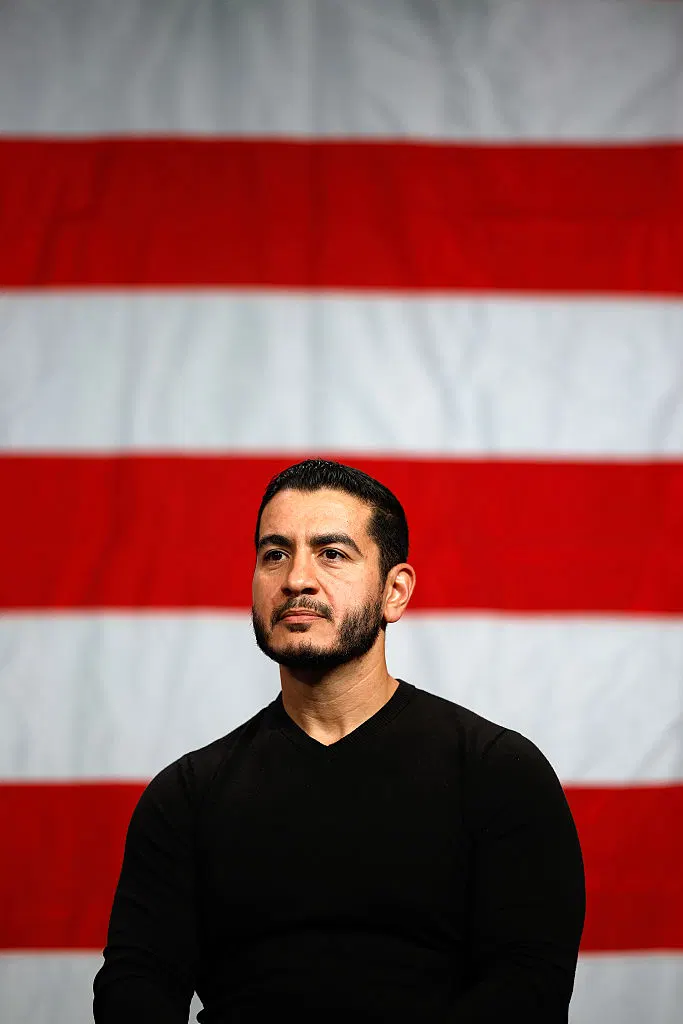
Headline framing
Vocabulary fingerprints · not a political endorsement
Both lean-right outlets use nearly identical headlines to frame Abdul El-Sayed’s public communications as deficient. The shared use of 'Unanswered Questions' suggests a narrative of evasion or lack of transparency. No distinct linguistic asymmetry exists between the two sources as they employ the same evaluative phrasing.
Bias/ownership: published methodology on source profiles · AI text always labeled · no reader paywall · no engagement ranking of news · transparency · contribute Ws · home