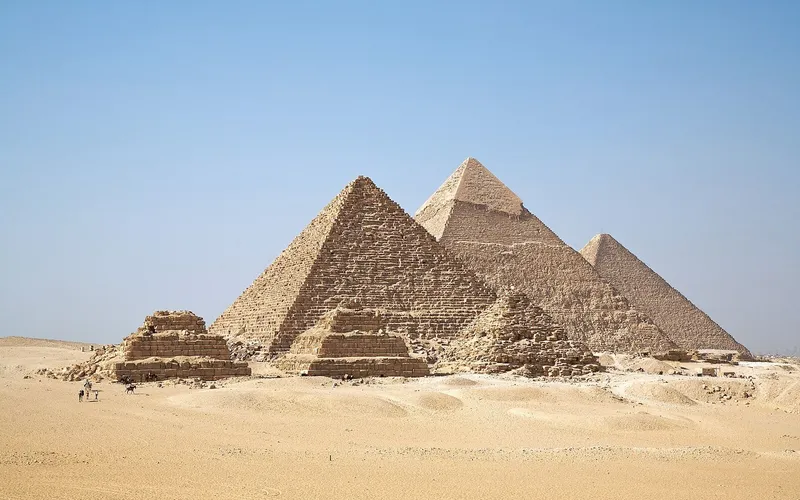
Ancient Egyptian Engineering Choices Helped the Great Pyramid of Giza Survive Earthquakes, New Research Finds
AI bias-comparison
Researchers have found that the Great Pyramid of Giza has withstood earthquakes for over 4,600 years due to its advanced engineering. The study highlights the structural resilience of the pyramid, revealing insights into the ancient Egyptians' construction techniques. This information is reported across multiple outlets, including Live Science and Gizmodo.
Coverage of the research varies slightly in emphasis. Live Science and Phys.org focus on the engineering aspects and the pyramid's resilience, while Gizmodo frames the story around the archeological efforts to understand these features. Smithsonian Magazine highlights the specific research methods used to measure vibrations, providing a more detailed look at the scientific process behind the findings.
No outlet has addressed the broader implications of this research for modern engineering practices or how ancient techniques might inform current seismic design. This omission may reflect a blind spot in the coverage, as it could connect historical knowledge with contemporary applications.
Headline framing
The headlines discuss the resilience of the Great Pyramid of Giza to earthquakes, highlighting ancient Egyptian engineering and its historical significance.
Coverage by perspective
Lean Left · 1 source

Center · 3 sources
%2Fhttps%3A%2F%2Ftf-cmsv2-smithsonianmag-media.s3.amazonaws.com%2Ffiler_public%2F95%2F46%2F95462742-4ad2-4a56-a3fa-e167942d4cf8%2Fgreat_pyramid_of_giza_-_pyramid_of_khufu.jpg&w=800)
Bias ratings: AllSides Media Bias Chart + Ad Fontes + MBFC consensus. AI comparison: Cerebras Llama 3.3-70B with light editorial prompt. No paywall, no tracking, reader-funded — support →