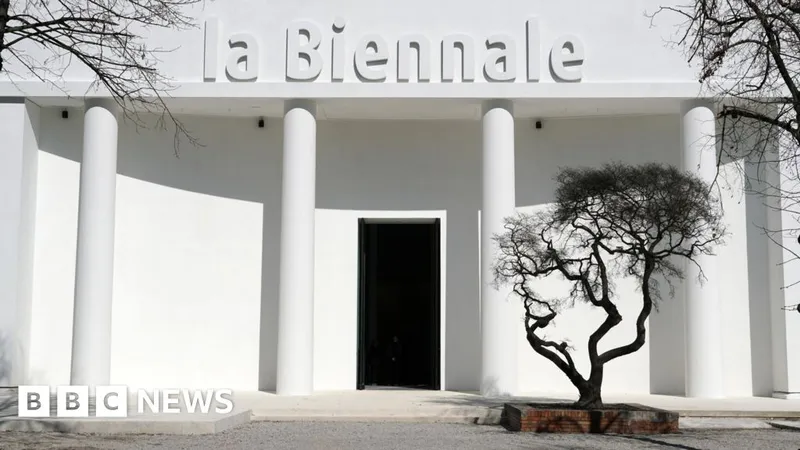
Venice Biennale jury resigns days before start of exhibition
AI bias-comparison
The jury of the Venice Biennale, one of the art world’s most prestigious exhibitions, resigned days before the event’s opening, citing ethical concerns over awarding countries accused of crimes against humanity. The resignation follows controversy around Russia’s return to the exhibition despite its ongoing war in Ukraine. Several top prizes, including the Golden Lion, will not be awarded as a result.
Coverage diverges on framing: The New York Times and NPR emphasize the jury’s stance against honoring nations implicated in human rights abuses, framing the resignation as a moral protest. The BBC focuses narrowly on Russia’s re-entry as the catalyst, presenting a more geopolitical angle. The Globe and Mail highlights the broader pattern of political controversy but offers less on specific ethical reasoning. Only left-leaning outlets explicitly mention the jury’s proposed ban on awards for such countries.
No outlet examines the Biennale’s official response to the jury’s ethical concerns or includes voices from artists in affected national pavilions, particularly from Ukraine or Global South countries. This absence reflects a blind spot in Western-centered coverage, especially among center outlets that underplay structural debates about art’s role in political accountability.
Headline framing
AI framing analysis temporarily offline. Configure Cerebras in admin to enable framing comparison.
Coverage by perspective
Lean Left · 2 sources

Center · 2 sources

Bias ratings: AllSides Media Bias Chart + Ad Fontes + MBFC consensus. AI comparison: Cerebras Llama 3.3-70B with light editorial prompt. No paywall, no tracking, reader-funded — support →