Eight Sleep launches Pod 6 smart mattress cover with 20% faster cooling and next-gen biometric tracking — sleep apnea detection coming
2 distinct publishers, one article each in this sample.
Ownership mix: Other: 2
2 publishers · 2 articles · switch to 1-minute for disagreement and framing.
What happened
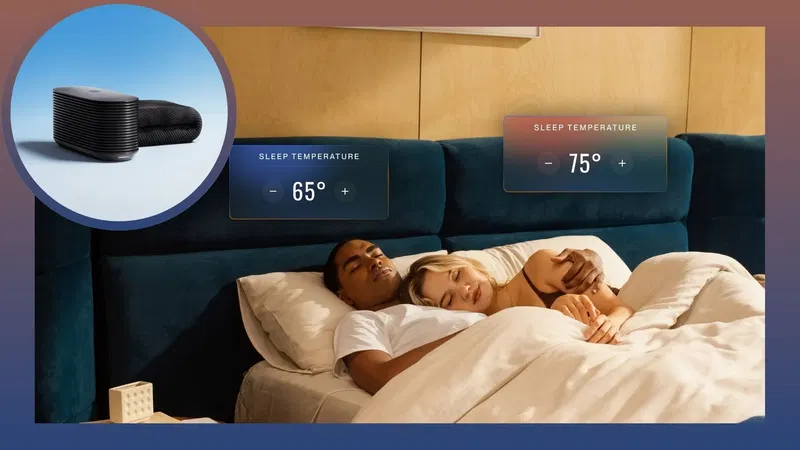
A redesigned thermal engine inside the Pod 6 reacts to hot flashes and night sweats 20% faster than the Pod 5. Plus, 9 times more sensors deliver highly nuanced sleep analysis and biological age measurements per…
Why the coverage differs
AI-assisted comparison · labeled · generated just generated or not yet stored · not a verdict
Eight Sleep announced the Pod 6, a smart mattress cover priced at $2,000. The device features a redesigned thermal engine that cools 20% faster than its predecessor and includes nine times more sensors for biometric tracking. Future updates will add sleep apnea detection capabilities.
Tom’s Guide leads with technical specifications, emphasizing the 20% faster cooling response and the expanded sensor array for biological age measurement. Engadget adopts a consumer-centric tone, highlighting the high price point and the absence of entertainment features like bedtime stories. While both outlets are center-leaning, Tom’s Guide frames the launch as a significant technological upgrade, whereas Engadget focuses on value proposition and user experience limitations.
Comparison summary
AI-assisted · Cerebras / Llama · just generated or not yet stored · inspect sources below rather than trusting this alone
Eight Sleep announced the Pod 6, a smart mattress cover priced at $2,000. The device features a redesigned thermal engine that cools 20% faster than its predecessor and includes nine times more sensors for biometric tracking. Future updates will add sleep apnea detection capabilities.
Tom’s Guide leads with technical specifications, emphasizing the 20% faster cooling response and the expanded sensor array for biological age measurement. Engadget adopts a consumer-centric tone, highlighting the high price point and the absence of entertainment features like bedtime stories. While both outlets are center-leaning, Tom’s Guide frames the launch as a significant technological upgrade, whereas Engadget focuses on value proposition and user experience limitations.
Neither article discusses the clinical validation behind the sleep apnea detection feature or the specific data privacy policies governing the biometric information collected. This omission is a shared blindspot, as both sources rely on manufacturer claims without citing independent medical studies or regulatory reviews.
Report timeline
Oldest → newest among clustered members. Gaps may mean delayed pickup, not silence.
-
Sep 23, 2026, 4:00 AMEngadget · CenterEight Sleep announces the Pod 6, its newest smart mattress cover
-
Sep 23, 2026, 4:44 AM
Coverage by perspective
Perspective labels are external consensus ratings (AllSides / Ad Fontes / MBFC-style), not WeSearch truth scores. Center is not automatically more accurate.
Center · 2

Headline framing
Vocabulary fingerprints · not a political endorsement
AI framing analysis temporarily offline. Configure Cerebras in admin to enable framing comparison.
Bias/ownership: published methodology on source profiles · AI text always labeled · no reader paywall · no engagement ranking of news · transparency · contribute Ws · home