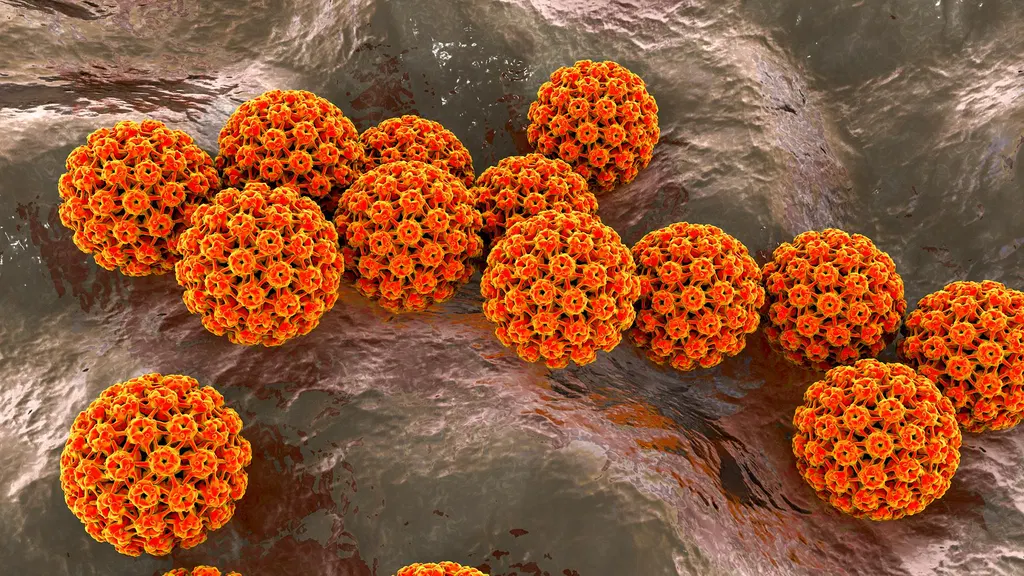
1 in 8 cancer cases are caused by infections
A new study published in The Lancet Oncology estimates that approximately 12% of all cancer cases diagnosed in 2024 were caused by infections with viruses, bacteria, or parasites. The analysis identified four specific pathogens as responsible for roughly 92% of these infection-related cancers, highlighting the potential for prevention through vaccines and treatments. Experts suggest that addressing these underlying infections could significantly reduce global cancer rates, particularly when combined with other lifestyle risk factor management.
- ▪Researchers estimate that infections drove about 2.3 million new cancer cases in 2024, representing 12% of all diagnosed cases.
- ▪Four pathogens, including Helicobacter pylori, HPV, hepatitis B, and Epstein-Barr virus, accounted for approximately 92% of infection-related cancer cases.
- ▪Helicobacter pylori was the leading cause with 760,000 cases, followed by HPV with 750,000 cases, hepatitis B with 360,000 cases, and Epstein-Barr virus with 260,000 cases.
- ▪The study utilized the Global Cancer Observatory's GLOBOCAN database to map the global impact of 12 cancer-causing pathogens.
- ▪Experts note that preventing these common infections is one of the most effective ways to reduce cancer rates, with 50 to 60 percent of cancers in India considered avoidable.
Hacker News (Front Page) files mainly under programming. We currently carry 2,484 of its stories. Top-voted stories on Hacker News.
Story provenance
Source · retrieval · rights · ranking — open for full record
inspect →
Story provenance
Attribution is not the same as permission. This drawer separates discovery metadata, excerpts, WeSearch-generated summaries, reuse status, and whether the publisher receives the visit. Nothing here claims a legal grant the publisher has not made.
Record
| Original publisher | Live Science |
| Canonical URL | https://www.livescience.com/health/cancer/1-in-8-cancer-cases-are-caused-by-infections-underscoring-the-importance-of-vaccines-experts-say |
| Publication time | Mon, 05 Oct 2026 00:04:02 +0000 |
| Retrieval time | 2026-10-05T00:21:36.401Z |
| Last seen | 2026-10-05T00:21:36.401Z |
| Headline source | Publisher (no WeSearch rewrite) |
| Excerpt source | publisher body |
| Excerpt method | First ~120 words (~800 chars) of extracted publisher body, fair-use limited. |
| Summary | WeSearch · cerebras-chat (WeSearch summarizer) |
| Summary source text | contentText |
| Citation coverage | Summary is a WeSearch-generated derivative; primary citation is the original publisher URL. |
| Cluster | kLFc8qGUbri7 · 1 stories |
| Cluster logic | Grouped by semantic title/content similarity across sources within a rolling window. Same-publisher template collisions are excluded from coverage comparison. |
| Ranking reason | Story pages are not engagement-ranked. Hub feeds use recency, with optional source-diversified chronological ordering (cap consecutive stories per source). No personalized ranking. |
| Publisher visit | Yes — open original |
| Substitutes article? | No — link-out required for full text |
Rights status (four layers)
WeSearch handling by dimension
| Indexing | May the item be indexed (stored, ranked, made findable)? | Allowed |
| Snippet | May a short excerpt of the publisher's text be shown? | Allowed |
| AI summary | May WeSearch generate its own short summary of the article? | Limited |
| Retrieval / RAG | May the content be exposed for third-party retrieval-augmented generation? | Not asserted |
| Model training | May the content be used to train AI models? | Not asserted |
| Commercial reuse | May the content be reused commercially? | Not permitted |
Basis: Derived from the published RSS/Atom feed. Contact: [email protected]. Reviewed: 2026-07-24.
Opening excerpt (first ~120 words) tap to expand
Health Viruses, Infections & Disease Cancer 1 in 8 cancer cases are caused by infections, underscoring the importance of vaccines, experts say Four pathogens account for most infection-related cancers, a new study highlights, but the tools to prevent them range from well-established vaccines to treatments still under development. By Anirban Mukhopadhyay Edited by Nicoletta Lanese, Laura Mondragón Published 3 October 2026 In News When you purchase through links on our site, we may earn an affiliate commission. Here’s how it works. HPV (pictured) is responsible for a large proportion of infection-related cancers worldwide.
…
Excerpt limited to ~120 words for fair-use compliance. The full article is at Live Science.
Discussion
0 commentsMore from Live Science