80-Million-Year-Old Snake Fossil From Brazil Offers New Clues to Why These Creatures Started Slithering
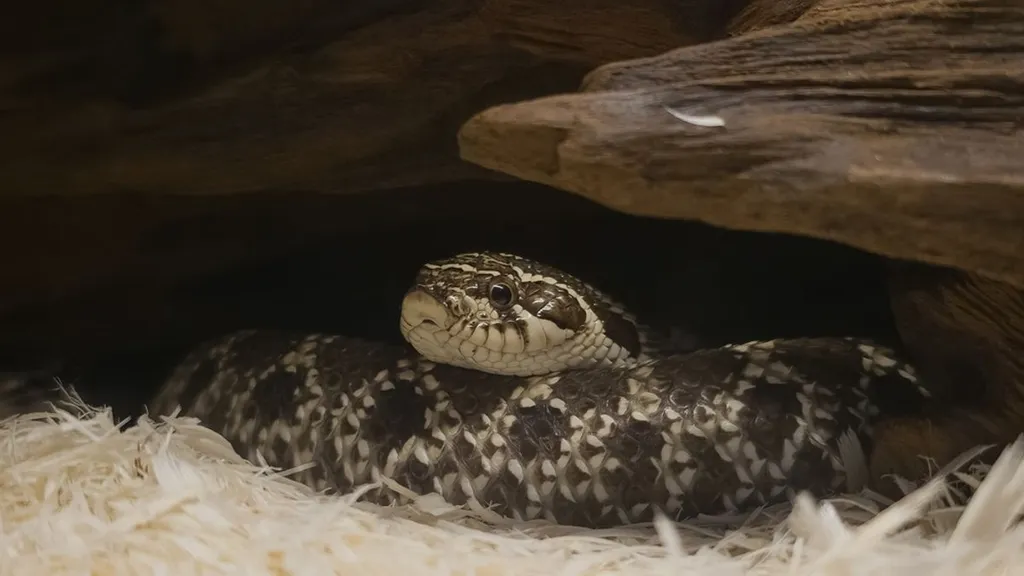
Snakes have managed to live comfortably without limbs for millions of years, but why they evolved to slither rather than walk has remained an ongoing mystery. Competing theories have each pleaded their case based on ancient environments, arguing over whether the first snakes evolved to navigate underwater, on land, or underground. A new study published in Nature has entered the debate with evidence that could change everything, all based on an 80-million-year-old fossil of an early snake found in Brazil.
- ▪Snakes have managed to live comfortably without limbs for millions of years, but why they evolved to slither rather than walk has remained an ongoing mystery.
- ▪Competing theories have each pleaded their case based on ancient environments, arguing over whether the first snakes evolved to navigate underwater, on land, or underground.
- ▪A new study published in Nature has entered the debate with evidence that could change everything, all based on an 80-million-year-old fossil of an early snake found in Brazil.
Discover Magazine files mainly under science. We currently carry 78 of its stories.
Opening excerpt (first ~120 words) tap to expand
Snakes have managed to live comfortably without limbs for millions of years, but why they evolved to slither rather than walk has remained an ongoing mystery. Competing theories have each pleaded their case based on ancient environments, arguing over whether the first snakes evolved to navigate underwater, on land, or underground. A new study published in Nature has entered the debate with evidence that could change everything, all based on an 80-million-year-old fossil of an early snake found in Brazil. While this snake had a dense skull suggesting it spent its days burrowing headfirst underground, another ancient snake had features better suited to a surface-dweller.
…
Excerpt limited to ~120 words for fair-use compliance. The full article is at Discover Magazine.
Discussion
0 commentsMore from Discover Magazine