A diabetic’s guide to trekking: What to pack, monitor, and avoid
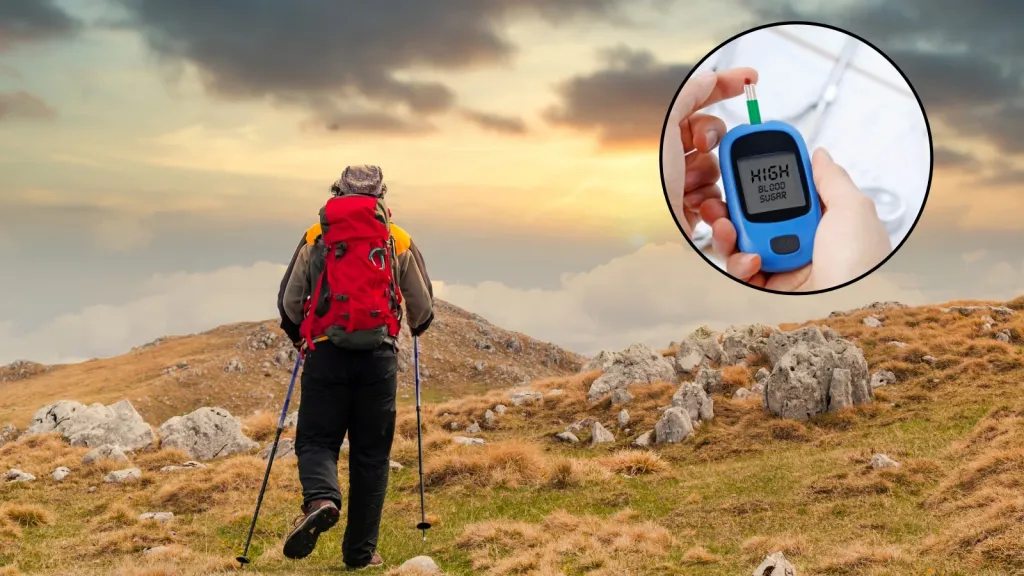
While trekking can be beneficial, it may not be advisable for everyone. People with “unstable blood sugars, recent severe hypoglycemia, advanced heart disease, uncontrolled hypertension, severe kidney disease, active foot ulcers, proliferative diabetic retinopathy, or significant peripheral neuropathy” should get a proper medical evaluation before planning a difficult trek. High-altitude expeditions need extra caution too.
- ▪While trekking can be beneficial, it may not be advisable for everyone.
- ▪People with “unstable blood sugars, recent severe hypoglycemia, advanced heart disease, uncontrolled hypertension, severe kidney disease, active foot ulcers, proliferative diabetic retinopathy, or significant peripheral neuropathy” should g
- ▪High-altitude expeditions need extra caution too.
The Indian Express files mainly under news. We currently carry 48 of its stories.
Opening excerpt (first ~120 words) tap to expand
When should diabetics avoid trekking? While trekking can be beneficial, it may not be advisable for everyone. People with “unstable blood sugars, recent severe hypoglycemia, advanced heart disease, uncontrolled hypertension, severe kidney disease, active foot ulcers, proliferative diabetic retinopathy, or significant peripheral neuropathy” should get a proper medical evaluation before planning a difficult trek. High-altitude expeditions need extra caution too. “Diabetes should never be viewed as a barrier to adventure, but preparation is essential.”Story continues below this ad Dr Vineeta Singh Tandon, Senior Consultant – Internal Medicine at ISIC Multispeciality Hospital, adds that consulting your doctor before any challenging trek is always the safest approach.
…
Excerpt limited to ~120 words for fair-use compliance. The full article is at The Indian Express.
Discussion
0 commentsMore from The Indian Express