
AI co-scientists are revolutionizing how research is done
TECHNOLOGY FEATURE 21 September 2026 AI co-scientists are revolutionizing how research is done Artificial-intelligence systems can generate hypotheses, design experiments and analyse data — but humans still need to decide what makes sense. By Elie Dolgin0 Elie Dolgin Elie Dolgin is a science journalist in Somerville, Massachusetts. But, unlike a typical chatbot, this AI tool — called Co-Scientist — doesn’t simply generate an answer in a single pass.
- ▪TECHNOLOGY FEATURE 21 September 2026 AI co-scientists are revolutionizing how research is done Artificial-intelligence systems can generate hypotheses, design experiments and analyse data — but humans still need to decide what makes sense.
- ▪By Elie Dolgin0 Elie Dolgin Elie Dolgin is a science journalist in Somerville, Massachusetts.
- ▪But, unlike a typical chatbot, this AI tool — called Co-Scientist — doesn’t simply generate an answer in a single pass.
Hacker News (AI / LLM) files mainly under ai. We currently carry 5,890 of its stories.
Story provenance
Source · retrieval · rights · ranking — open for full record
inspect →
Story provenance
Attribution is not the same as permission. This drawer separates discovery metadata, excerpts, WeSearch-generated summaries, reuse status, and whether the publisher receives the visit. Nothing here claims a legal grant the publisher has not made.
Record
| Original publisher | Nature |
| Canonical URL | https://www.nature.com/articles/d41586-026-02931-5 |
| Publication time | Mon, 21 Sep 2026 15:31:44 +0000 |
| Retrieval time | 2026-09-21T15:33:48.834Z |
| Last seen | 2026-09-21T15:33:48.834Z |
| Headline source | Publisher (no WeSearch rewrite) |
| Excerpt source | publisher body |
| Excerpt method | First ~120 words (~800 chars) of extracted publisher body, fair-use limited. |
| Summary | WeSearch · cerebras-chat (WeSearch summarizer) |
| Summary source text | contentText |
| Citation coverage | Summary is a WeSearch-generated derivative; primary citation is the original publisher URL. |
| Cluster | ipNptTnOMalx · 1 stories |
| Cluster logic | Grouped by semantic title/content similarity across sources within a rolling window. Same-publisher template collisions are excluded from coverage comparison. |
| Ranking reason | Story pages are not engagement-ranked. Hub feeds use recency, with optional source-diversified chronological ordering (cap consecutive stories per source). No personalized ranking. |
| Publisher visit | Yes — open original |
| Substitutes article? | No — link-out required for full text |
Rights status (four layers)
WeSearch handling by dimension
| Indexing | May the item be indexed (stored, ranked, made findable)? | Allowed |
| Snippet | May a short excerpt of the publisher's text be shown? | Allowed |
| AI summary | May WeSearch generate its own short summary of the article? | Limited |
| Retrieval / RAG | May the content be exposed for third-party retrieval-augmented generation? | Not asserted |
| Model training | May the content be used to train AI models? | Not asserted |
| Commercial reuse | May the content be reused commercially? | Not permitted |
Basis: Derived from the published RSS/Atom feed. Contact: [email protected]. Reviewed: 2026-07-24.
Opening excerpt (first ~120 words) tap to expand
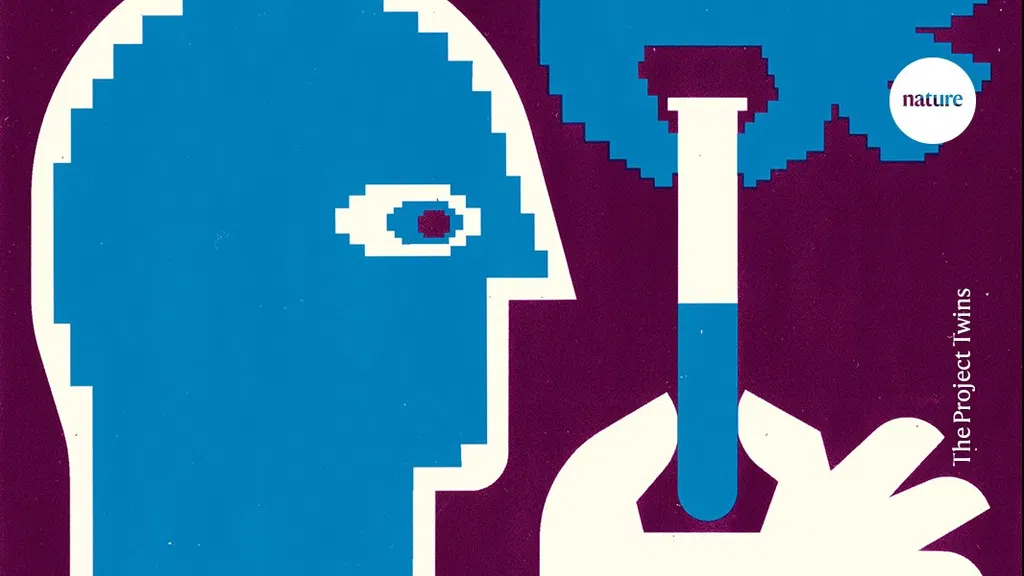
TECHNOLOGY FEATURE 21 September 2026 AI co-scientists are revolutionizing how research is done Artificial-intelligence systems can generate hypotheses, design experiments and analyse data — but humans still need to decide what makes sense. By Elie Dolgin0 Elie Dolgin Elie Dolgin is a science journalist in Somerville, Massachusetts. View author publications Search author on: PubMed Google Scholar Email Bluesky Facebook LinkedIn Reddit Whatsapp X Save article View saved research Illustration: The Project Twins Biochemist Anna Pertl typed in her question, pressed Enter and left for the night.The artificial-intelligence system that she had prompted is designed to produce innovative scientific hypotheses.
…
Excerpt limited to ~120 words for fair-use compliance. The full article is at Nature.
Discussion
0 commentsMore from Nature
![Book of Cron Job [fiction]](/img-proxy?url=https%3A%2F%2Fmedia.nature.com%2Flw1200%2Fmagazine-assets%2Fd41586-026-01716-0%2Fd41586-026-01716-0_52500258.jpg&w=320)