AI creates 16 new viruses that never existed in nature after learning DNA’s pattern from 9 trillion nucleotides — experts warn such applications are way ahead of necessary guardrails
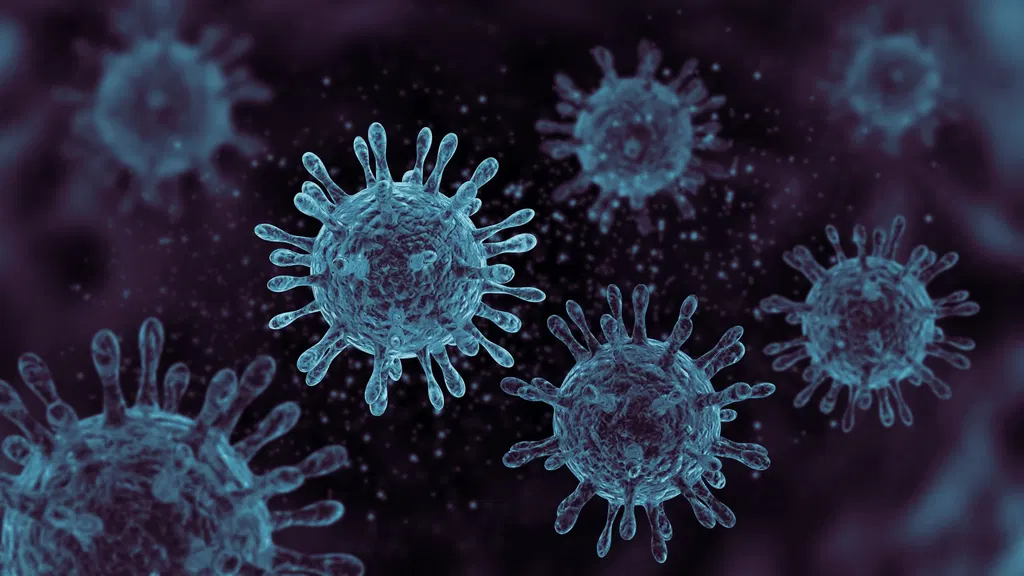
According to a New York Times report, researchers trained a genomic AI model to design complete DNA sequences for viruses, then chemically built the results and watched some come to life. Much as a language model learns which combinations of words tend to make sense, Evo learned which combinations of nucleotides tend to produce biologically meaningful sequences.Scientists have been synthesizing viruses for decades, typically to study how they work and to test antiviral drugs and vaccines. In these projects, researchers typically use the genetic sequence of a virus that already exists to manufacture new ones.
- ▪According to a New York Times report, researchers trained a genomic AI model to design complete DNA sequences for viruses, then chemically built the results and watched some come to life.
- ▪Much as a language model learns which combinations of words tend to make sense, Evo learned which combinations of nucleotides tend to produce biologically meaningful sequences.Scientists have been synthesizing viruses for decades, typically
- ▪In these projects, researchers typically use the genetic sequence of a virus that already exists to manufacture new ones.
Tom's Hardware files mainly under tech. We currently carry 512 of its stories.
Story provenance
Source · retrieval · rights · ranking — open for full record
inspect →
Story provenance
Attribution is not the same as permission. This drawer separates discovery metadata, excerpts, WeSearch-generated summaries, reuse status, and whether the publisher receives the visit. Nothing here claims a legal grant the publisher has not made.
Record
| Original publisher | Tom's Hardware |
| Canonical URL | https://www.tomshardware.com/tech-industry/artificial-intelligence/ai-creates-16-new-viruses-that-never-existed-in-nature-after-learning-dnas-pattern-from-9-trillion-nucleotides-experts-warn-such-applications-are-way-ahead-of-necessary-guardrails |
| Publication time | Sat, 08 Aug 2026 11:00:00 +0000 |
| Retrieval time | 2026-08-08T11:00:45.925Z |
| Last seen | 2026-08-08T11:00:45.925Z |
| Headline source | Publisher (no WeSearch rewrite) |
| Excerpt source | publisher body |
| Excerpt method | First ~120 words (~800 chars) of extracted publisher body, fair-use limited. |
| Summary | WeSearch · cerebras-chat (WeSearch summarizer) |
| Summary source text | contentText |
| Citation coverage | Summary is a WeSearch-generated derivative; primary citation is the original publisher URL. |
| Cluster | mTx3qC3UouJh · 1 stories |
| Cluster logic | Grouped by semantic title/content similarity across sources within a rolling window. Same-publisher template collisions are excluded from coverage comparison. |
| Ranking reason | Story pages are not engagement-ranked. Hub feeds use recency, with optional source-diversified chronological ordering (cap consecutive stories per source). No personalized ranking. |
| Publisher visit | Yes — open original |
| Substitutes article? | No — link-out required for full text |
Rights status (four layers)
WeSearch handling by dimension
| Indexing | May the item be indexed (stored, ranked, made findable)? | Allowed |
| Snippet | May a short excerpt of the publisher's text be shown? | Allowed |
| AI summary | May WeSearch generate its own short summary of the article? | Limited |
| Retrieval / RAG | May the content be exposed for third-party retrieval-augmented generation? | Not asserted |
| Model training | May the content be used to train AI models? | Not asserted |
| Commercial reuse | May the content be reused commercially? | Not permitted |
Basis: Derived from the published RSS/Atom feed. Contact: [email protected]. Reviewed: 2026-07-24.
Opening excerpt (first ~120 words) tap to expand
Tech Industry Artificial Intelligence AI creates 16 new viruses that never existed in nature after learning DNA’s pattern from 9 trillion nucleotides — experts warn such applications are way ahead of necessary guardrails News By Etiido Uko Published 8 August 2026 Researchers say the phages can overcome bacterial resistance When you purchase through links on our site, we may earn an affiliate commission. Here’s how it works. (Image credit: Shutterstock) Copy link Facebook X Whatsapp Reddit Pinterest Flipboard Email Share this article 0 Join the conversation Follow us Add us as a preferred source on Google Newsletter Subscribe to our newsletter An AI model has just created new viruses that never existed in nature.
…
Excerpt limited to ~120 words for fair-use compliance. The full article is at Tom's Hardware.
Discussion
0 commentsMore from Tom's Hardware