
AI Is Helping Solve the Intricate Genetic Puzzle of Schizophrenia
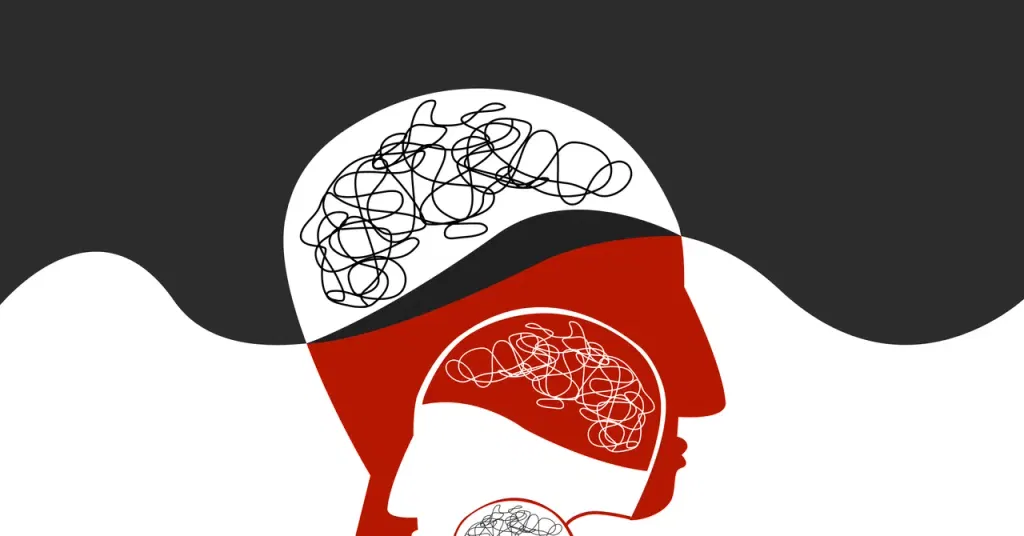
A recent study published in Nature Genetics identified 766 genes linked to schizophrenia, many newly discovered through AI-driven analysis. The research used data from over 102,000 individuals and brain tissue from multiple regions to map the disorder's genetic network. Findings suggest that schizophrenia risk arises from coordinated activity of many genes rather than single mutations.
- ▪The study uncovered 766 schizophrenia-associated genes, including 641 not previously reported in transcriptomic studies.
- ▪Long-range genetic regulatory signals indicated that these genes operate as an interconnected network.
- ▪Researchers analyzed genetic data from more than 102,000 participants and brain samples from six regions.
- ▪Schizophrenia affects roughly 23 million people worldwide, about one in 345 individuals.
WIRED files mainly under tech. We currently carry 715 of its stories.
Story provenance
Source · retrieval · rights · ranking — open for full record
inspect →
Story provenance
Attribution is not the same as permission. This drawer separates discovery metadata, excerpts, WeSearch-generated summaries, reuse status, and whether the publisher receives the visit. Nothing here claims a legal grant the publisher has not made.
Record
| Original publisher | WIRED |
| Canonical URL | https://www.wired.com/story/ai-helping-solve-intricate-genetic-puzzle-schizophrenia/ |
| Publication time | Tue, 11 Aug 2026 09:00:00 +0000 |
| Retrieval time | 2026-08-11T09:05:46.271Z |
| Last seen | 2026-08-11T09:05:46.271Z |
| Headline source | Publisher (no WeSearch rewrite) |
| Excerpt source | publisher body |
| Excerpt method | First ~120 words (~800 chars) of extracted publisher body, fair-use limited. |
| Summary | WeSearch · cerebras-chat (WeSearch summarizer) |
| Summary source text | contentText |
| Citation coverage | Summary is a WeSearch-generated derivative; primary citation is the original publisher URL. |
| Cluster | znDinqV2QJoU · 1 stories |
| Cluster logic | Grouped by semantic title/content similarity across sources within a rolling window. Same-publisher template collisions are excluded from coverage comparison. |
| Ranking reason | Story pages are not engagement-ranked. Hub feeds use recency, with optional source-diversified chronological ordering (cap consecutive stories per source). No personalized ranking. |
| Publisher visit | Yes — open original |
| Substitutes article? | No — link-out required for full text |
Rights status (four layers)
WeSearch handling by dimension
| Indexing | May the item be indexed (stored, ranked, made findable)? | Allowed |
| Snippet | May a short excerpt of the publisher's text be shown? | Allowed |
| AI summary | May WeSearch generate its own short summary of the article? | Limited |
| Retrieval / RAG | May the content be exposed for third-party retrieval-augmented generation? | Not asserted |
| Model training | May the content be used to train AI models? | Not asserted |
| Commercial reuse | May the content be reused commercially? | Not permitted |
Basis: Derived from the published RSS/Atom feed. Contact: [email protected]. Reviewed: 2026-07-24.
Opening excerpt (first ~120 words) tap to expand
Jorge GarayScienceAug 11, 2026 5:00 AMAI Is Helping Solve the Intricate Genetic Puzzle of SchizophreniaRecent findings provide one of the most detailed pictures to date of the genetic architecture of schizophrenia, opening up new avenues for research into the disorder.Illustration: Krit of Studio OMG/Getty ImagesCommentLoaderSave StorySave this storyCommentLoaderSave StorySave this storyOne of the greatest challenges in modern genetics is schizophrenia. Unlike diseases caused by a single mutation, this disorder appears to arise from a combination of hundreds of genetic variants, each with small effects on different brain processes. Some influence neural development, while others alter communication between neurons or the organization of brain connections.
…
Excerpt limited to ~120 words for fair-use compliance. The full article is at WIRED.
Discussion
0 commentsMore from WIRED


