AMD eyes TSMC's A14 node for Zen 7, bringing angstrom-era chips to the data center
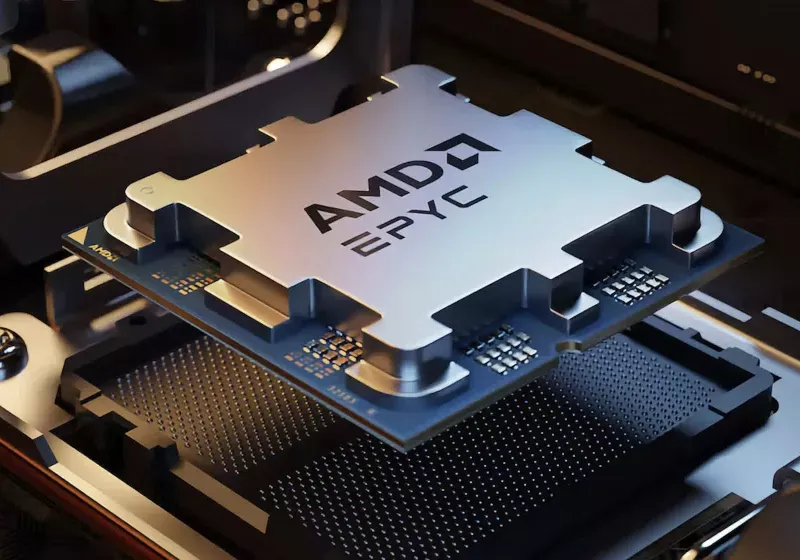
AMD is considering TSMC's A14 process node for its Zen 7 generation, which would push the company into the angstrom-era of semiconductor manufacturing. This move could influence not only peak performance but also how efficiently the chips handle demanding data center workloads. The Zen 7 generation is expected to introduce changes aimed at reducing system overhead and improving security, including the introduction of AVX10 and Advanced Matrix Extensions.
- ▪AMD is considering TSMC's A14 process node for its Zen 7 generation.
- ▪The Zen 7 generation is expected to introduce AVX10 and Advanced Matrix Extensions.
- ▪The architecture is rumored to incorporate FRED, or Flexible Return and Event Delivery, to reduce system-level latency.
TechSpot files mainly under tech. We currently carry 379 of its stories.
Story provenance
Source · retrieval · rights · ranking — open for full record
inspect →
Story provenance
Attribution is not the same as permission. This drawer separates discovery metadata, excerpts, WeSearch-generated summaries, reuse status, and whether the publisher receives the visit. Nothing here claims a legal grant the publisher has not made.
Record
| Original publisher | TechSpot |
| Canonical URL | https://www.techspot.com/news/112531-amd-eyes-tsmc-a14-node-zen-7-bringing.html |
| Publication time | Tue, 26 May 2026 09:50 -0500 |
| Retrieval time | 2026-05-26T14:52:49.911Z |
| Last seen | 2026-05-26T14:52:51.917Z |
| Headline source | Publisher (no WeSearch rewrite) |
| Excerpt source | publisher body |
| Excerpt method | First ~120 words (~800 chars) of extracted publisher body, fair-use limited. |
| Summary | WeSearch · cerebras-chat (WeSearch summarizer) |
| Summary source text | contentText |
| Citation coverage | Summary is a WeSearch-generated derivative; primary citation is the original publisher URL. |
| Cluster | bbL3mAB8jv3l |
| Cluster logic | Grouped by semantic title/content similarity across sources within a rolling window. Same-publisher template collisions are excluded from coverage comparison. |
| Ranking reason | Story pages are not engagement-ranked. Hub feeds use recency, with optional source-diversified chronological ordering (cap consecutive stories per source). No personalized ranking. |
| Publisher visit | Yes — open original |
| Substitutes article? | No — link-out required for full text |
Rights status (four layers)
WeSearch handling by dimension
| Indexing | May the item be indexed (stored, ranked, made findable)? | Allowed |
| Snippet | May a short excerpt of the publisher's text be shown? | Allowed |
| AI summary | May WeSearch generate its own short summary of the article? | Limited |
| Retrieval / RAG | May the content be exposed for third-party retrieval-augmented generation? | Not asserted |
| Model training | May the content be used to train AI models? | Not asserted |
| Commercial reuse | May the content be reused commercially? | Not permitted |
Basis: Derived from the published RSS/Atom feed. Contact: [email protected]. Reviewed: 2026-07-24.
Opening excerpt (first ~120 words) tap to expand
Hardware Industry amd tsmc AMD targets TSMC's A14 node for Zen 7, pushing server chips into the angstrom era Zen 7 also brings AVX10, matrix extensions for AI workloads, and next-gen chiplet packaging By Skye Jacobs May 26, 2026, 9:50 Serving tech enthusiasts for over 25 years. TechSpot means tech analysis and advice you can trust. Looking ahead: AMD's next wave of server processors is beginning to come into focus, and the company appears poised to deliver more than a typical generational refresh. While its upcoming Epyc Venice chips, based on the Zen 6 architecture, are already entering production on TSMC's 2-nanometer process, attention is increasingly shifting toward what comes next – and how far AMD plans to push both chip manufacturing and CPU architecture.
…
Excerpt limited to ~120 words for fair-use compliance. The full article is at TechSpot.
Discussion
0 commentsMore from TechSpot