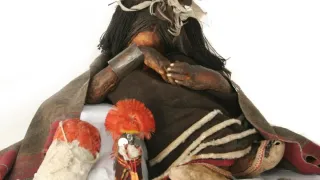
Archaeologists Thought This Famous Bronze Age Shaman Was a Guy. Well, She Wasn’t
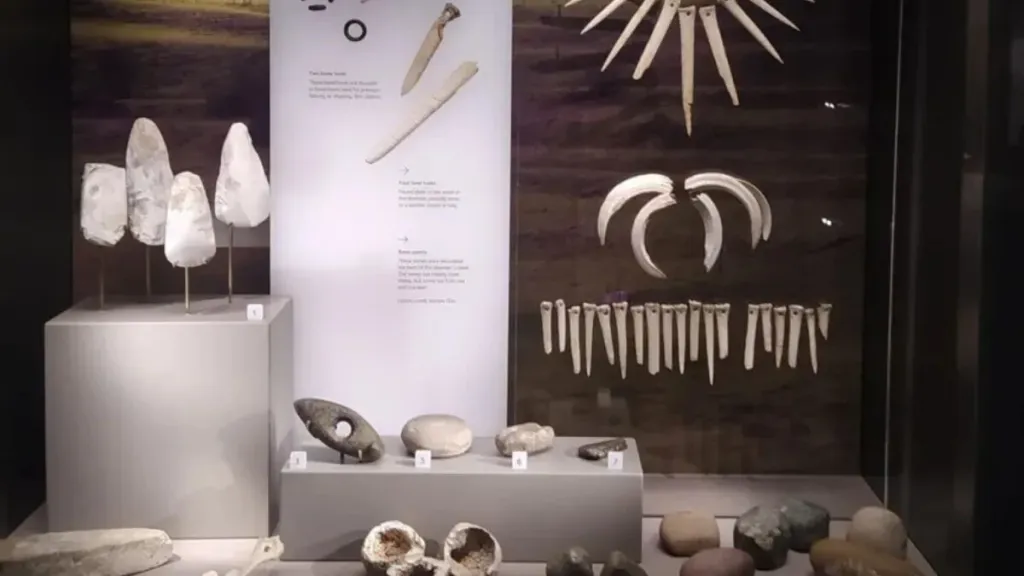
In 1803, British archaeologist William Cunnington dug up the remains of an individual buried with weapons, golden tools, and a decorative cloak in Upton Lovell, a village about 10 miles (16 kilometers) west of Stonehenge. From the generally stocky appearance of the bones, Cunnington concluded that the Upton Lovell Shaman must have been a “stout” man from the early Bronze Age. More than 200 years later, researchers revisited the skeleton with advanced DNA analysis techniques.
- ▪In 1803, British archaeologist William Cunnington dug up the remains of an individual buried with weapons, golden tools, and a decorative cloak in Upton Lovell, a village about 10 miles (16 kilometers) west of Stonehenge.
- ▪From the generally stocky appearance of the bones, Cunnington concluded that the Upton Lovell Shaman must have been a “stout” man from the early Bronze Age.
- ▪More than 200 years later, researchers revisited the skeleton with advanced DNA analysis techniques.
Opening excerpt (first ~120 words) tap to expand
In 1803, British archaeologist William Cunnington dug up the remains of an individual buried with weapons, golden tools, and a decorative cloak in Upton Lovell, a village about 10 miles (16 kilometers) west of Stonehenge. From the generally stocky appearance of the bones, Cunnington concluded that the Upton Lovell Shaman must have been a “stout” man from the early Bronze Age. Well, who says women can’t be…
Excerpt limited to ~120 words for fair-use compliance. The full article is at Gizmodo.
Discussion
0 commentsMore from Gizmodo