Astronomers may have detected an exomoon
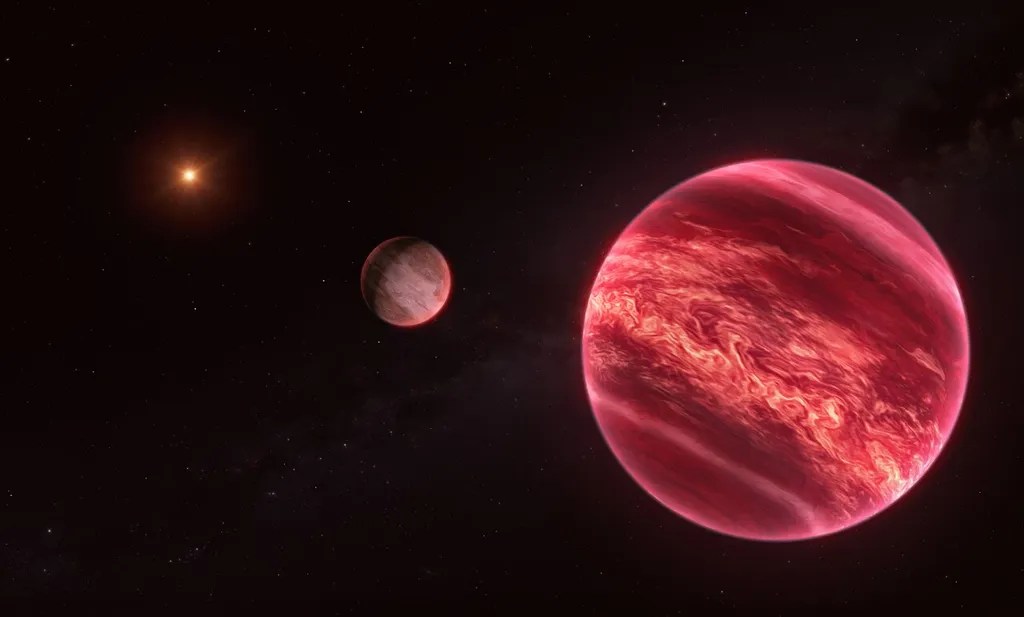
Astronomers may have detected an exomoon Rob Beschizza 10:46 am Fri Jul 24, 2026 CD-35 2722, a system with a moon-like object (Credit: ESO/M. Kornmesser) Astronomers using the Very Large Telescope in Chile have found evidence of a moon-sized companion far beyond our own solar system, which might be the first exomoon to be detected (though it wouldn't be the first time we've been here). But doesn't seem to orbit a planet, so nobody is sure what to call it.
- ▪Astronomers may have detected an exomoon Rob Beschizza 10:46 am Fri Jul 24, 2026 CD-35 2722, a system with a moon-like object (Credit: ESO/M.
- ▪Kornmesser) Astronomers using the Very Large Telescope in Chile have found evidence of a moon-sized companion far beyond our own solar system, which might be the first exomoon to be detected (though it wouldn't be the first time we've been
- ▪But doesn't seem to orbit a planet, so nobody is sure what to call it.
2 outlets in our directory ran this story, first to last over 28 hours. All of the coverage we found sits in one bucket: centre. That one-sidedness is itself worth noticing.
Boing Boing files mainly under tech. We currently carry 238 of its stories.
Opening excerpt (first ~120 words) tap to expand
Astronomers may have detected an exomoon Rob Beschizza 10:46 am Fri Jul 24, 2026 CD-35 2722, a system with a moon-like object (Credit: ESO/M. Kornmesser) Astronomers using the Very Large Telescope in Chile have found evidence of a moon-sized companion far beyond our own solar system, which might be the first exomoon to be detected (though it wouldn't be the first time we've been here). But doesn't seem to orbit a planet, so nobody is sure what to call it. The European Southern Observatory announced the detection July 22, timed to a paper in Nature led by Kevin Hoy, an ESO student based in Santiago. This exosatellite or 'exomoon', a natural satellite outside our Solar System [1], is difficult to label, given the differences in this system compared to our own.
…
Excerpt limited to ~120 words for fair-use compliance. The full article is at Boing Boing.
Discussion
0 commentsMore from Boing Boing