Bank of Japan squeezed by Takaichi, Trump and Iran war inflation
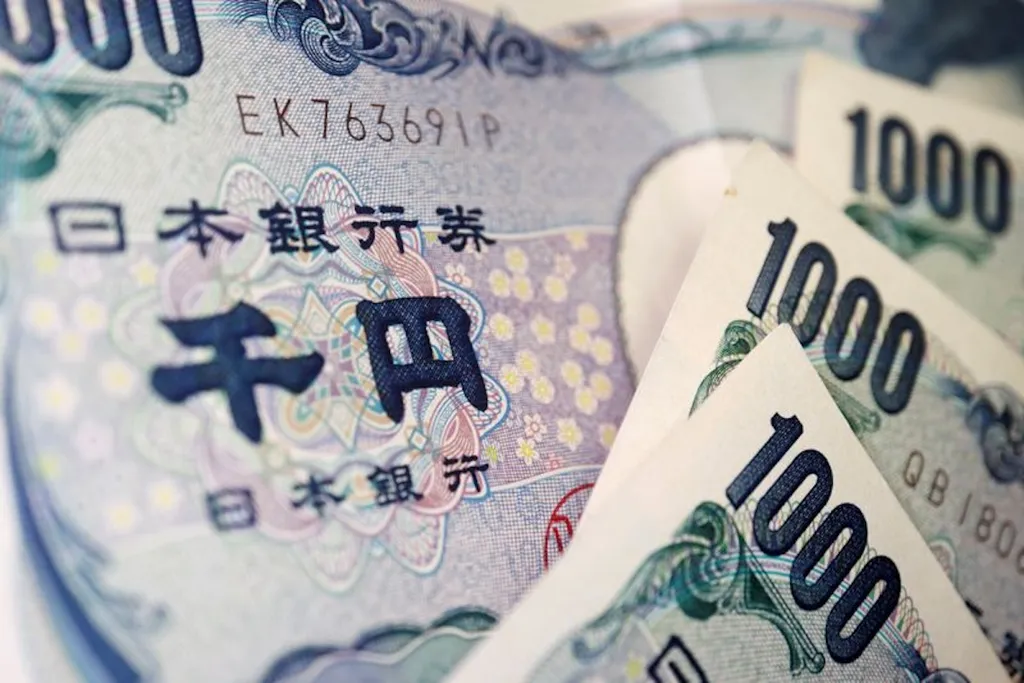
Bank of Japan Governor Kazuo Ueda warned against the risk of oil-driven inflation becoming a lasting issue. He indicated that a potential rate hike on June 16 could signal a broader tightening cycle. This shift may conflict with Prime Minister Sanae Takaichi's strategy of maintaining a weak yen, which relies on minimal rate increases from the BOJ.
- ▪Ueda cautioned that high inflation expectations and accelerating wages pose a risk of second-round effects.
- ▪A June 16 BOJ rate hike could mark the beginning of a broader tightening cycle.
- ▪Prime Minister Takaichi's economic strategy is built on maintaining a weak yen, opposing rate hikes.
Asia Times files mainly under world. We currently carry 139 of its stories.
Opening excerpt (first ~120 words) tap to expand
Speaking on Wednesday (May 27), Bank of Japan Governor Kazuo Ueda cautioned that central banks must prevent this year’s oil‑driven inflation surge from hardening into a lasting global problem. “If inflation expectations are already high and wages are accelerating, the risk of second‑round effects is large,” he said, adding that the line between temporary and persistent inflation “is not mechanical.” In other words, a June 16 BOJ rate hike isn’t just likely — it could mark the start of a broader tightening cycle that finally puts Tokyo’s normalization back on track. That shift would almost certainly push the yen higher, a development welcomed by US Treasury Secretary Scott Bessent and President Donald Trump. Prime Minister Sanae Takaichi would see it very differently, though.
…
Excerpt limited to ~120 words for fair-use compliance. The full article is at Asia Times.
Discussion
0 commentsMore from Asia Times