Breaking Iran’s Chokepoint Strategy
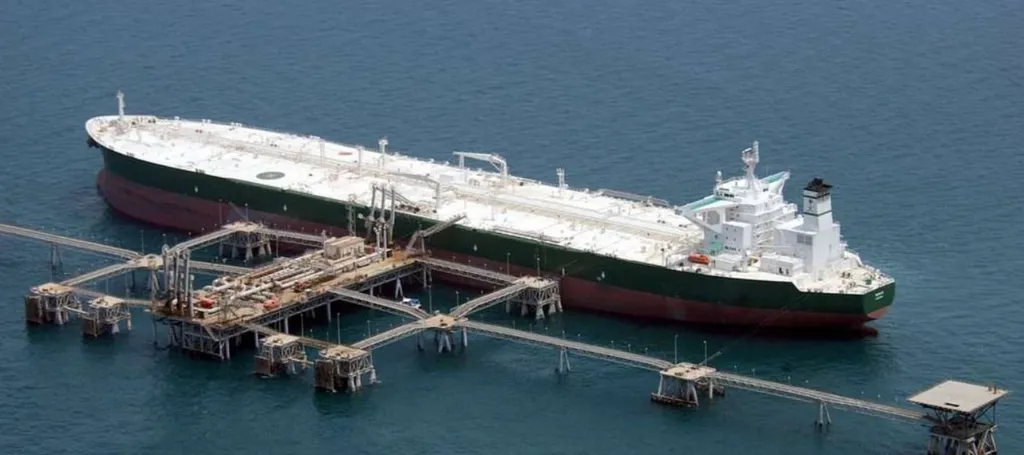
Iran’s most valuable strategic asset isn’t its missile arsenal, its proxy network, or even its nuclear program. It is geography.Tehran has learned to turn two narrow waterways — the Strait of Hormuz and Bab el-Mandeb — into instruments of economic coercion. It doesn’t have to sink a fleet or permanently close either passage.
- ▪Iran’s most valuable strategic asset isn’t its missile arsenal, its proxy network, or even its nuclear program.
- ▪It is geography.Tehran has learned to turn two narrow waterways — the Strait of Hormuz and Bab el-Mandeb — into instruments of economic coercion.
- ▪It doesn’t have to sink a fleet or permanently close either passage.
The American Spectator files mainly under politics. We currently carry 125 of its stories.
Opening excerpt (first ~120 words) tap to expand
Iran’s most valuable strategic asset isn’t its missile arsenal, its proxy network, or even its nuclear program. It is geography.Tehran has learned to turn two narrow waterways — the Strait of Hormuz and Bab el-Mandeb — into instruments of economic coercion. It doesn’t have to sink a fleet or permanently close either passage. It only has to persuade insurers, shipowners, and commodity traders that it might. The market then does much of the damage on Iran’s behalf. (RELATED: Prepare for Trump’s Midterm Surprise)That strategy became explicit this month when Iran instructed the Houthis to stand ready to close Bab el-Mandeb if the U.S. attacked Iranian power infrastructure.
…
Excerpt limited to ~120 words for fair-use compliance. The full article is at The American Spectator | USA News and Politics.
Discussion
0 comments