Citizen scientists needed to protect wildlife
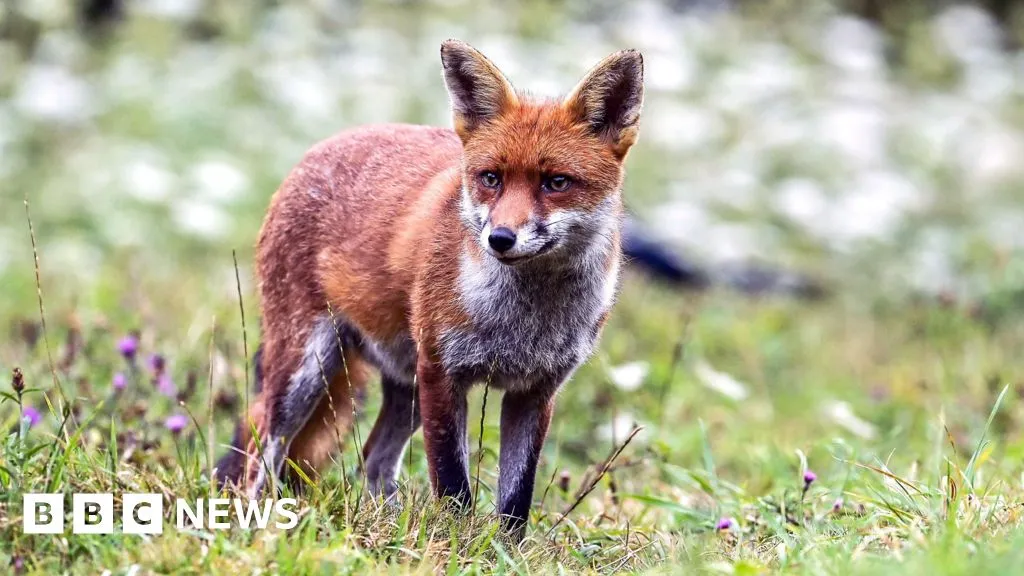
The Somerset Wildlife Trust is calling for citizen scientists to help record local wildlife as part of the Big Count initiative. This project aims to fill gaps in species records, particularly for common animals like snails and foxes, to enhance conservation efforts. Participants can submit their observations using the iNaturalist app or via email, with no specialist knowledge required.
- ▪The Big Count encourages locals to record wildlife in gardens and parks.
- ▪Nearly 3,000 species records have been collected in the past four years.
- ▪The project runs from June 18 to June 27 this year.
BBC News — Science publishes from United Kingdom and files mainly under science. We currently carry 96 of its stories.
Story provenance
Source · retrieval · rights · ranking — open for full record
inspect →
Story provenance
Attribution is not the same as permission. This drawer separates discovery metadata, excerpts, WeSearch-generated summaries, reuse status, and whether the publisher receives the visit. Nothing here claims a legal grant the publisher has not made.
Record
| Original publisher | BBC News — Science |
| Canonical URL | https://www.bbc.com/news/articles/c8jvkxppdmxo?at_medium=RSS&at_campaign=rss |
| Publication time | Sun, 24 May 2026 16:42:22 GMT |
| Retrieval time | 2026-05-24T16:47:33.827Z |
| Last seen | 2026-05-24T16:47:33.827Z |
| Headline source | Publisher (no WeSearch rewrite) |
| Excerpt source | publisher body |
| Excerpt method | First ~120 words (~800 chars) of extracted publisher body, fair-use limited. |
| Summary | WeSearch · cerebras-chat (WeSearch summarizer) |
| Summary source text | contentText |
| Citation coverage | Summary is a WeSearch-generated derivative; primary citation is the original publisher URL. |
| Cluster | zpJd3ohMm4Vo |
| Cluster logic | Grouped by semantic title/content similarity across sources within a rolling window. Same-publisher template collisions are excluded from coverage comparison. |
| Ranking reason | Story pages are not engagement-ranked. Hub feeds use recency, with optional source-diversified chronological ordering (cap consecutive stories per source). No personalized ranking. |
| Publisher visit | Yes — open original |
| Substitutes article? | No — link-out required for full text |
Rights status (four layers)
WeSearch handling by dimension
| Indexing | May the item be indexed (stored, ranked, made findable)? | Allowed |
| Snippet | May a short excerpt of the publisher's text be shown? | Allowed |
| AI summary | May WeSearch generate its own short summary of the article? | Limited |
| Retrieval / RAG | May the content be exposed for third-party retrieval-augmented generation? | Not asserted |
| Model training | May the content be used to train AI models? | Not asserted |
| Commercial reuse | May the content be reused commercially? | Not permitted |
Basis: Derived from the published RSS/Atom feed. Contact: [email protected]. Reviewed: 2026-07-24.
Opening excerpt (first ~120 words) tap to expand
Citizen scientists needed to protect wildlifeJust nowShareSaveAdd as preferred on GoogleKirsten RobertsonWest of EnglandGetty Images(Photo by Stuart Brock/Anadolu via Getty Images)People have been urged to become citizen scientists and help find and record animals in their area to help conservation efforts.The Big Count - run by the Somerset Wildlife Trust (SWT) - encourages locals to go out and record wildlife in gardens, local parks, and community green spaces.The charity says there are gaps in its records for some of the county's most common species, including snails and foxes, which impacts the help those animals can get.Becky Fisher, head of engagement at SWT, said: "We have so many incredible species in Somerset - from elusive hares to colourful butterflies - and we can only protect…
Excerpt limited to ~120 words for fair-use compliance. The full article is at BBC News — Science.
Discussion
0 commentsMore from BBC News — Science