Deadly cruise ship outbreak renews push for hantavirus treatments, vaccines
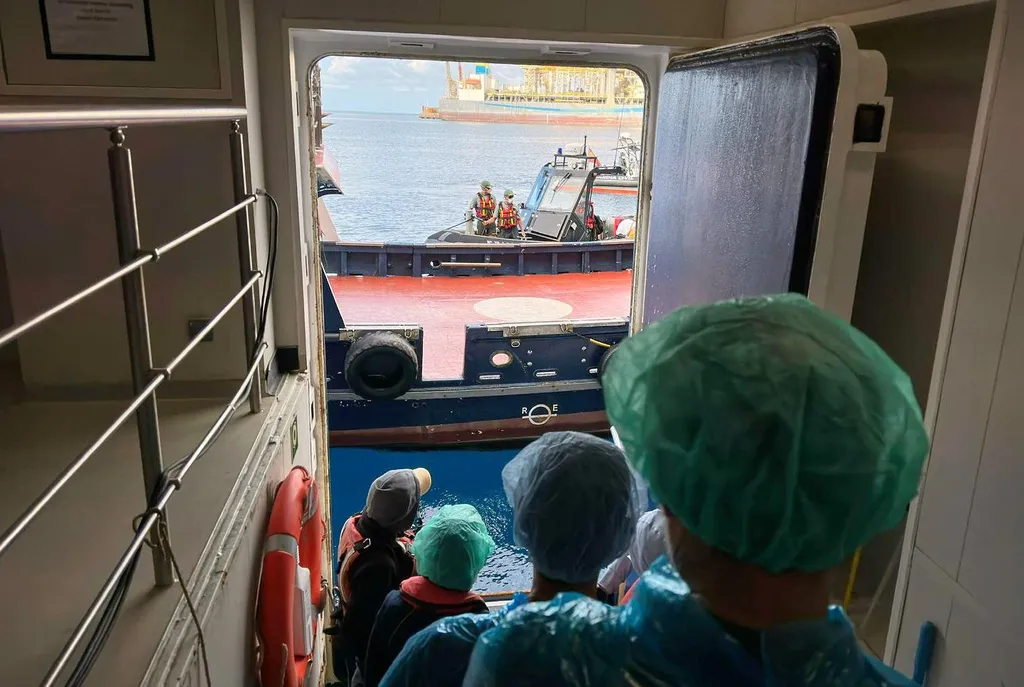
A hantavirus outbreak on the cruise ship MV Hondius has raised concerns about the lack of treatments and vaccines for the virus. Researchers are hopeful that increased attention from this incident will lead to more investment in hantavirus research. The Andes virus, responsible for the outbreak, is particularly concerning due to its potential for human-to-human transmission.
- ▪Passengers were disembarked from the MV Hondius at the port of Granadilla in Tenerife, Spain, on May 10.
- ▪Three of the 13 likely hantavirus cases among cruise ship passengers ended in death.
- ▪Researchers are testing the drug tocilizumab as a potential treatment for hantavirus pulmonary syndrome.
Opening excerpt (first ~120 words) tap to expand
Passengers are being disembarked from the hantavirus-stricken cruise ship MV Hondius at the port of Granadilla in Tenerife, Canary Islands, Spain, May 10. AP-YonhapSANTIAGO, Chile — When a rare but deadly rodent-borne virus struck passengers on a cruise ship and seemed to be spreading, there were no treatments for those who fell ill and no vaccines to protect others.That was the case even though it wasn't a novel germ that the world had never seen before, like the virus that caused the coronavirus pandemic. It was a hantavirus, one of a family of viruses that have been known for decades and are thought to exist around the world.Teams of researchers, including in Chile, Argentina and the United States, have long been trying to find and develop drugs and vaccines.
…
Excerpt limited to ~120 words for fair-use compliance. The full article is at Korea Times.
Discussion
0 commentsMore from Korea Times