Decoding SIR Impact in West Bengal

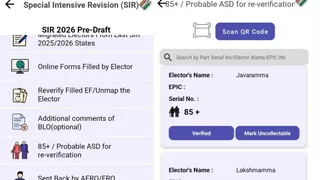
The recent election in West Bengal has sparked varied reactions, with the BJP claiming a mandate for change while the opposition alleges electoral manipulation. The Special Intensive Revision (SIR) of electoral rolls significantly impacted voter demographics and turnout. This election saw a record voter turnout, but the number of electors decreased due to the SIR process, which disproportionately affected Muslim voters.
- ▪The BJP's victory in West Bengal has led to claims of anti-incumbency and allegations of electoral manipulation by the opposition.
- ▪Voter turnout reached over 93%, the highest ever recorded in a major Indian state, despite a significant decrease in the number of electors.
- ▪The SIR process resulted in the deletion of over 64 lakh voters, with a notable impact on the Muslim demographic, which constituted a higher percentage of deletions than their population share.
Opening excerpt (first ~120 words) tap to expand
The BJP’s win in West Bengal has evoked strong reactions across the political spectrum, ranging from celebratory acclaim to profound shock and disbelief. While the victors, led by Prime Minister Narendra Modi, have claimed this to be an anti-incumbency mandate for change, the vanquished former Chief Minister Mamata Banerjee has complained about electoral manipulations and foul play. The truth appears to lie somewhere in between.Twin impact: SIR & PolarisationWhat stood out in West Bengal’s two-phase Assembly election was the unprecedented voter turnout rate of over 93%, compared with 82% in the 2021 Assembly election and 79% in the 2024 Lok Sabha election.
…
Excerpt limited to ~120 words for fair-use compliance. The full article is at The Hindu — Top.
Discussion
0 commentsMore from The Hindu — Top