Doctors took a look at man's painful shoulder—they found the joint was missing
A 45-year-old construction worker presented with a severely swollen right shoulder. Imaging revealed complete loss of the humeral head and extensive rotator cuff tears, leading to a diagnosis of Milwaukee Shoulder Syndrome. Treatment will likely involve a total shoulder replacement after initial pain management.
- ▪The patient’s X-ray showed the humeral head was missing and the joint was destroyed.
- ▪MRI demonstrated full-thickness tears of three rotator cuff tendons.
- ▪Milwaukee Shoulder Syndrome is characterized by hydroxyapatite crystal deposition that triggers enzymatic tissue destruction.
- ▪The condition, originally described in elderly women, is rare in men and may require surgical joint replacement.
Ars Technica files mainly under tech. We currently carry 185 of its stories.
Story provenance
Source · retrieval · rights · ranking — open for full record
inspect →
Story provenance
Attribution is not the same as permission. This drawer separates discovery metadata, excerpts, WeSearch-generated summaries, reuse status, and whether the publisher receives the visit. Nothing here claims a legal grant the publisher has not made.
Record
| Original publisher | Ars Technica |
| Canonical URL | https://arstechnica.com/health/2026/07/doctors-took-a-look-at-mans-painful-shoulder-they-found-the-joint-was-missing/ |
| Publication time | Fri, 31 Jul 2026 21:51:52 +0000 |
| Retrieval time | 2026-07-31T22:23:29.264Z |
| Last seen | 2026-07-31T22:23:29.264Z |
| Headline source | Publisher (no WeSearch rewrite) |
| Excerpt source | publisher body |
| Excerpt method | First ~120 words (~800 chars) of extracted publisher body, fair-use limited. |
| Summary | WeSearch · cerebras-chat (WeSearch summarizer) |
| Summary source text | contentText |
| Citation coverage | Summary is a WeSearch-generated derivative; primary citation is the original publisher URL. |
| Cluster | HQKICGTBbfwG · 1 stories |
| Cluster logic | Grouped by semantic title/content similarity across sources within a rolling window. Same-publisher template collisions are excluded from coverage comparison. |
| Ranking reason | Story pages are not engagement-ranked. Hub feeds use recency, with optional source-diversified chronological ordering (cap consecutive stories per source). No personalized ranking. |
| Publisher visit | Yes — open original |
| Substitutes article? | No — link-out required for full text |
Rights status (four layers)
WeSearch handling by dimension
| Indexing | May the item be indexed (stored, ranked, made findable)? | Allowed |
| Snippet | May a short excerpt of the publisher's text be shown? | Allowed |
| AI summary | May WeSearch generate its own short summary of the article? | Limited |
| Retrieval / RAG | May the content be exposed for third-party retrieval-augmented generation? | Not asserted |
| Model training | May the content be used to train AI models? | Not asserted |
| Commercial reuse | May the content be reused commercially? | Not permitted |
Basis: Derived from the published RSS/Atom feed. Contact: [email protected]. Reviewed: 2026-07-24.
Opening excerpt (first ~120 words) tap to expand
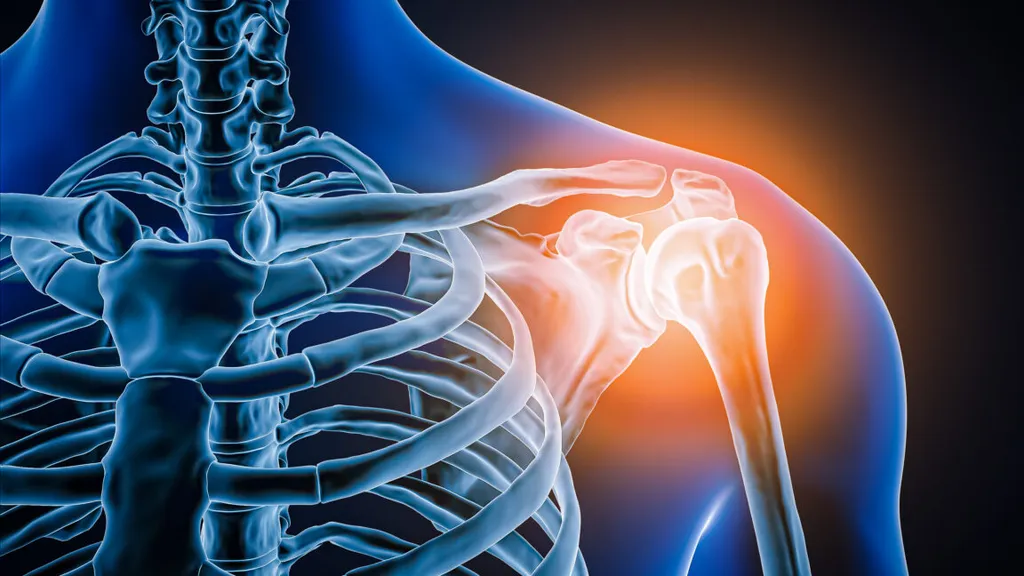
Gone Doctors took a look at man’s painful shoulder—they found the joint was missing The term “Milwaukee Should Syndrome” was coined in 1981, based on cases in four women. Beth Mole – Jul 31, 2026 5:51 pm | 10 A rendering of a normal human shoulder joint and bones. Credit: Getty | libre de droit A rendering of a normal human shoulder joint and bones. Credit: Getty | libre de droit Text settings Story text Size Small Standard Large Width * Standard Wide Links Standard Orange * Subscribers only Learn more Minimize to nav A 45-year-old construction worker went to the emergency department for his right shoulder, which was extremely swollen and becoming progressively more painful. Doctors took an X-ray to try to see what was causing the problem.
…
Excerpt limited to ~120 words for fair-use compliance. The full article is at Ars Technica.
Discussion
0 commentsMore from Ars Technica