Google is making AI images easier to create, and deepfakes easier to spot
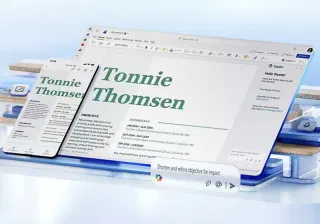
Google is developing new tools to make AI images easier to create, while also improving methods to detect deepfakes. The company's new AI photo editor, Google Pics, is currently in closed testing and will be rolled out to subscribers in the coming months. Google is also expanding its SynthID and C2PA watermarking systems to help users identify fabricated images.
- ▪Google Pics is a new AI image-editing tool that aims to make altering photos easier than ever.
- ▪SynthID verification is now live in Google Search and will reach Chrome within weeks, allowing users to identify images produced by Google's AI tools.
- ▪The C2PA labeling system, which watermarks genuine photos the moment they are taken, will soon be supported by Instagram and will be expanded to video content from Pixel phones.
TechSpot files mainly under tech. We currently carry 379 of its stories.
Story provenance
Source · retrieval · rights · ranking — open for full record
inspect →
Story provenance
Attribution is not the same as permission. This drawer separates discovery metadata, excerpts, WeSearch-generated summaries, reuse status, and whether the publisher receives the visit. Nothing here claims a legal grant the publisher has not made.
Record
| Original publisher | TechSpot |
| Canonical URL | https://www.techspot.com/news/112462-google-making-ai-images-easier-create-deepfakes-easier.html |
| Publication time | Tue, 19 May 2026 20:32 -0500 |
| Retrieval time | 2026-05-20T01:34:58.855Z |
| Last seen | 2026-05-20T01:35:02.285Z |
| Headline source | Publisher (no WeSearch rewrite) |
| Excerpt source | publisher body |
| Excerpt method | First ~120 words (~800 chars) of extracted publisher body, fair-use limited. |
| Summary | WeSearch · cerebras-chat (WeSearch summarizer) |
| Summary source text | contentText |
| Citation coverage | Summary is a WeSearch-generated derivative; primary citation is the original publisher URL. |
| Cluster | Sxk31iDLiLjV |
| Cluster logic | Grouped by semantic title/content similarity across sources within a rolling window. Same-publisher template collisions are excluded from coverage comparison. |
| Ranking reason | Story pages are not engagement-ranked. Hub feeds use recency, with optional source-diversified chronological ordering (cap consecutive stories per source). No personalized ranking. |
| Publisher visit | Yes — open original |
| Substitutes article? | No — link-out required for full text |
Rights status (four layers)
WeSearch handling by dimension
| Indexing | May the item be indexed (stored, ranked, made findable)? | Allowed |
| Snippet | May a short excerpt of the publisher's text be shown? | Allowed |
| AI summary | May WeSearch generate its own short summary of the article? | Limited |
| Retrieval / RAG | May the content be exposed for third-party retrieval-augmented generation? | Not asserted |
| Model training | May the content be used to train AI models? | Not asserted |
| Commercial reuse | May the content be reused commercially? | Not permitted |
Basis: Derived from the published RSS/Atom feed. Contact: [email protected]. Reviewed: 2026-07-24.
Opening excerpt (first ~120 words) tap to expand
Google AI deepfake image generation Google is making AI images easier to create, and deepfakes easier to spot Google Pics is a new AI photo editor, meanwhile SynthID and C2PA watermarking gets added to Search and Chrome By Daniel Sims May 19, 2026, 20:32 Serving tech enthusiasts for over 25 years. TechSpot means tech analysis and advice you can trust. The big picture: As AI image generators become more powerful, deepfakes and other fabricated images are becoming harder to spot. While Google's evolving Gemini suite is partially responsible, the company is trying to keep the technology under control by making new watermarking and detection systems more widely available. Google Pics is the company's new AI image-editing tool, which aims to make altering photos easier than ever.
…
Excerpt limited to ~120 words for fair-use compliance. The full article is at TechSpot.
Discussion
0 commentsMore from TechSpot