Google wants to release 64 million bacteria-riddled mosquitoes across California and Florida. Here’s why scientists are enthusiastic.
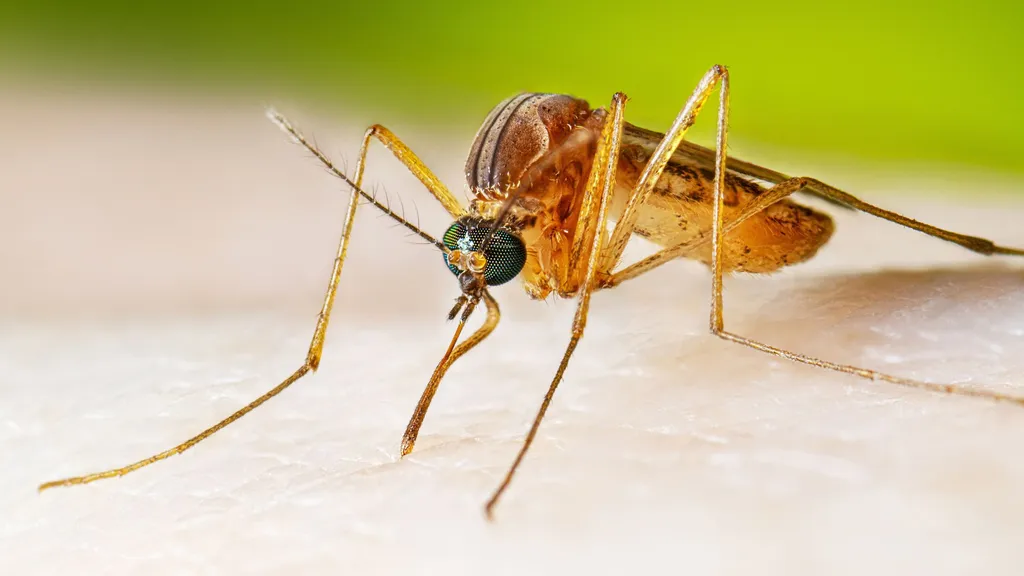
Google has applied for a permit to release 64 million bacteria-infected mosquitoes in California and Florida to combat mosquito-borne diseases. The initiative aims to reduce populations of southern house mosquitoes, which can spread viruses like West Nile. Scientists support this approach as it utilizes a naturally occurring bacterium that does not harm the environment.
- ▪Google's Debug initiative targets invasive southern house mosquitoes to reduce disease transmission.
- ▪The mosquitoes will be infected with Wolbachia pipientis, which prevents uninfected females from reproducing.
- ▪The EPA is reviewing the application, with a decision expected after a public comment period ending on June 5.
Opening excerpt (first ~120 words) tap to expand
Health Viruses, Infections & Disease Google wants to release 64 million bacteria-riddled mosquitoes across California and Florida. Here’s why scientists are enthusiastic. Google has applied for an experimental mosquito release permit to deploy millions of non-biting southern house mosquitoes that it has infected with the bacterium Wolbachia pipientis, in an effort to reduce mosquito-borne diseases like West Nile virus. By Patrick Pester published 3 June 2026 in News When you purchase through links on our site, we may earn an affiliate commission. Here’s how it works. Southern house mosquitoes spread West Nile virus and other diseases.
…
Excerpt limited to ~120 words for fair-use compliance. The full article is at Live Science.
Discussion
0 commentsMore from Live Science