
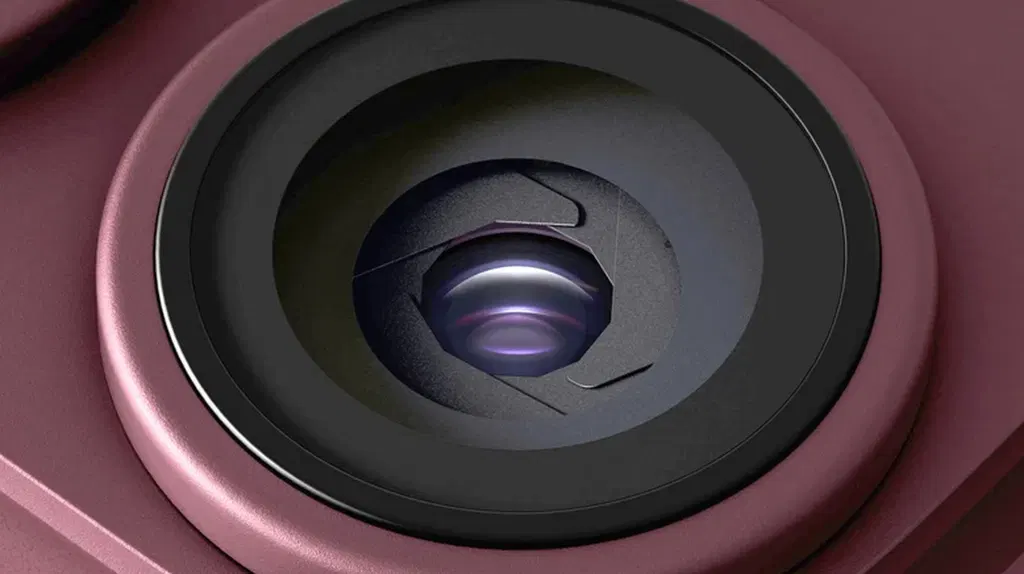
Here's how the iPhone 18 Pro's Apple Reference Image tech works
Big Tech Apple Here's how the iPhone 18 Pro's Apple Reference Image tech works Apple is giving your photos a tamper-proof seal. 16, 2026 8:00 am EST Apple Add Engadget on Google: Preferred Source Google Discover It'd be naive to say that we've always been able to trust what we can see, as if seeing something is evidence that it really happened. There's plenty of evidence throughout history of doctored photos, designed to fool the viewer into believing a story.
- ▪Big Tech Apple Here's how the iPhone 18 Pro's Apple Reference Image tech works Apple is giving your photos a tamper-proof seal.
- ▪16, 2026 8:00 am EST Apple Add Engadget on Google: Preferred Source Google Discover It'd be naive to say that we've always been able to trust what we can see, as if seeing something is evidence that it really happened.
- ▪There's plenty of evidence throughout history of doctored photos, designed to fool the viewer into believing a story.
5 outlets in our directory ran this story, first to last over 13 hours. All of the coverage we found sits in one bucket: centre. That one-sidedness is itself worth noticing.
- ▪ Apple Reference Images Explained: The iPhone 18 Pro’s Hardware Solution to AI Slop — CNET
- ▪ Apple Reference Image: A New Approach for Verified Photography — Apple Reference Image: A New Approach for Verified Photography - Apple Security Research
- ▪ Apple explains how the iPhone 18 Pro’s new Reference Image camera mode works — 9to5Mac
- ▪ Apple Details How Reference Image Proves a Photo is Real — MacRumors
Engadget files mainly under tech. We currently carry 707 of its stories.
Story provenance
Source · retrieval · rights · ranking — open for full record
inspect →
Story provenance
Attribution is not the same as permission. This drawer separates discovery metadata, excerpts, WeSearch-generated summaries, reuse status, and whether the publisher receives the visit. Nothing here claims a legal grant the publisher has not made.
Record
| Original publisher | Engadget |
| Canonical URL | https://www.engadget.com/2259654/how-iphone-18-pro-apple-reference-image-works/ |
| Publication time | Wed, 16 Sep 2026 12:00:00 +0000 |
| Retrieval time | 2026-09-16T12:08:41.433Z |
| Last seen | 2026-09-16T12:08:41.433Z |
| Headline source | Publisher (no WeSearch rewrite) |
| Excerpt source | publisher body |
| Excerpt method | First ~120 words (~800 chars) of extracted publisher body, fair-use limited. |
| Summary | WeSearch · cerebras-chat (WeSearch summarizer) |
| Summary source text | contentText |
| Citation coverage | Summary is a WeSearch-generated derivative; primary citation is the original publisher URL. |
| Cluster | 7S9V4CUGk9Jc · 5 stories |
| Cluster logic | Grouped by semantic title/content similarity across sources within a rolling window. Same-publisher template collisions are excluded from coverage comparison. |
| Ranking reason | Story pages are not engagement-ranked. Hub feeds use recency, with optional source-diversified chronological ordering (cap consecutive stories per source). No personalized ranking. |
| Publisher visit | Yes — open original |
| Substitutes article? | No — link-out required for full text |
Rights status (four layers)
WeSearch handling by dimension
| Indexing | May the item be indexed (stored, ranked, made findable)? | Allowed |
| Snippet | May a short excerpt of the publisher's text be shown? | Allowed |
| AI summary | May WeSearch generate its own short summary of the article? | Limited |
| Retrieval / RAG | May the content be exposed for third-party retrieval-augmented generation? | Not asserted |
| Model training | May the content be used to train AI models? | Not asserted |
| Commercial reuse | May the content be reused commercially? | Not permitted |
Basis: Derived from the published RSS/Atom feed. Contact: [email protected]. Reviewed: 2026-07-24.
Opening excerpt (first ~120 words) tap to expand
Big Tech Apple Here's how the iPhone 18 Pro's Apple Reference Image tech works Apple is giving your photos a tamper-proof seal. By Jack Whitcombe Sept. 16, 2026 8:00 am EST Apple Add Engadget on Google: Preferred Source Google Discover It'd be naive to say that we've always been able to trust what we can see, as if seeing something is evidence that it really happened. There's plenty of evidence throughout history of doctored photos, designed to fool the viewer into believing a story. That said, those skills weren't easily accessible. Now, anybody can create realistic images, or alter photos, just by using their phone. You can't rely on wonky letters or extra fingers to make it obvious, either.
…
Excerpt limited to ~120 words for fair-use compliance. The full article is at Engadget.
Discussion
0 commentsMore from Engadget


