Hormuz tanker traffic edges higher after wartime low
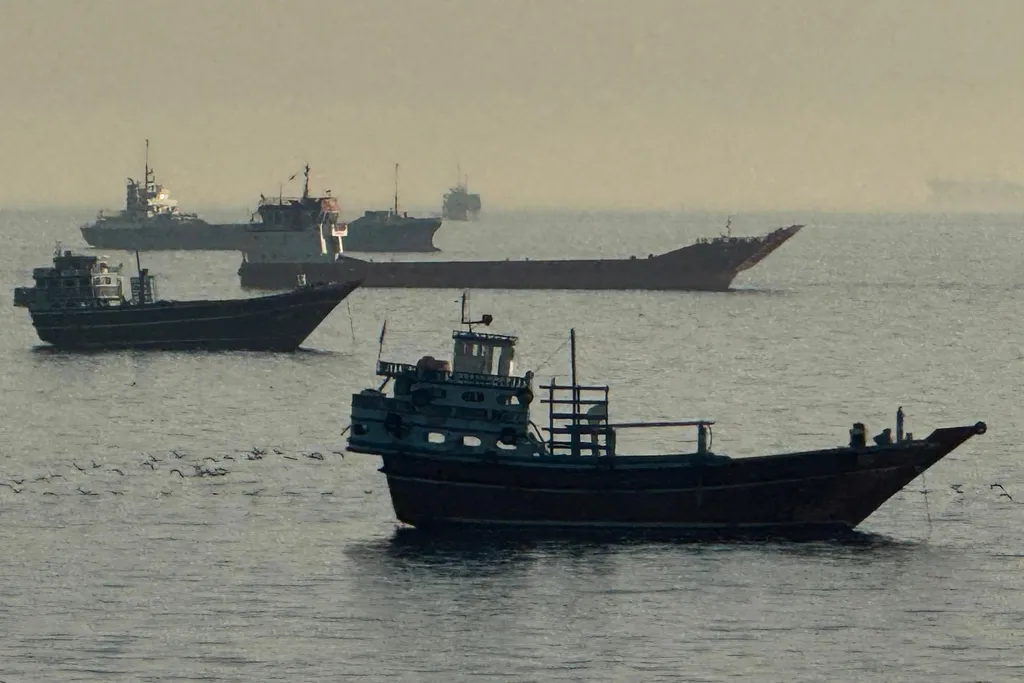
Traffic through the Strait of Hormuz has increased slightly after reaching a wartime low. A total of 55 vessels crossed the strait last week, up from just 19 the previous week. Despite this rise, crossings remain consistent with wartime averages, and Iran has warned that traffic will not return to pre-war levels.
- ▪Traffic through the Strait of Hormuz was slightly higher last week, with 55 vessels crossing the waterway.
- ▪This marked a significant increase from the previous week's low of 19 vessels, the lowest since the conflict began.
- ▪Iran has announced the creation of a new body to oversee the strait and charge vessels for transiting it.
Korea Times publishes from South Korea and files mainly under world. We currently carry 362 of its stories.
Opening excerpt (first ~120 words) tap to expand
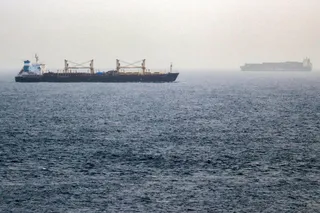
Vessels are seen anchored in the Strait of Hormuz, off the port city of Khasab on Oman?s northern Musandam Peninsula, Sunday. AFP-YonhapLONDON — Traffic through the Strait of Hormuz was slightly higher last week, returning to levels in line with the average recorded since the start of the Middle East conflict after hitting a wartime low.A total of 55 commodities vessels crossed the strategic waterway between May 11 and 17, according to data from maritime tracking firm Kpler as of Monday morning.That marked a sharp increase from the previous week, when just 19 vessels crossed -- the lowest weekly figure since the first US-Israeli strikes on Iran on February 28, which led to widespread disruption of traffic through the strait.Iranian state television said Friday the Revolutionary Guards…
Excerpt limited to ~120 words for fair-use compliance. The full article is at Korea Times.
Discussion
0 commentsMore from Korea Times