How house design can curb childhood illnesses in Africa
A new study highlights the impact of house design on reducing childhood illnesses in Africa. In Tanzania, children living in specially designed homes experienced fewer cases of malaria, diarrhea, and respiratory infections compared to those in traditional houses. Improvements such as mosquito screening and clean water harvesting are suggested to significantly enhance health outcomes.
- ▪Children in specially designed houses in Tanzania had lower rates of malaria and diarrhea.
- ▪The study emphasizes that housing design can protect against childhood diseases.
- ▪Features like cross-ventilation and self-closing doors can lead to major health improvements.
Science News files mainly under science. We currently carry 42 of its stories.
Story provenance
Source · retrieval · rights · ranking — open for full record
inspect →
Story provenance
Attribution is not the same as permission. This drawer separates discovery metadata, excerpts, WeSearch-generated summaries, reuse status, and whether the publisher receives the visit. Nothing here claims a legal grant the publisher has not made.
Record
| Original publisher | Science News |
| Canonical URL | https://www.sciencenews.org/article/house-design-malaria-diarrhea-africa |
| Publication time | Fri, 22 May 2026 13:00:00 +0000 |
| Retrieval time | 2026-05-22T13:07:02.304Z |
| Last seen | 2026-05-22T13:07:02.304Z |
| Headline source | Publisher (no WeSearch rewrite) |
| Excerpt source | publisher body |
| Excerpt method | First ~120 words (~800 chars) of extracted publisher body, fair-use limited. |
| Summary | WeSearch · cerebras-chat (WeSearch summarizer) |
| Summary source text | contentText |
| Citation coverage | Summary is a WeSearch-generated derivative; primary citation is the original publisher URL. |
| Cluster | np47MdMfaybI |
| Cluster logic | Grouped by semantic title/content similarity across sources within a rolling window. Same-publisher template collisions are excluded from coverage comparison. |
| Ranking reason | Story pages are not engagement-ranked. Hub feeds use recency, with optional source-diversified chronological ordering (cap consecutive stories per source). No personalized ranking. |
| Publisher visit | Yes — open original |
| Substitutes article? | No — link-out required for full text |
Rights status (four layers)
WeSearch handling by dimension
| Indexing | May the item be indexed (stored, ranked, made findable)? | Allowed |
| Snippet | May a short excerpt of the publisher's text be shown? | Allowed |
| AI summary | May WeSearch generate its own short summary of the article? | Limited |
| Retrieval / RAG | May the content be exposed for third-party retrieval-augmented generation? | Not asserted |
| Model training | May the content be used to train AI models? | Not asserted |
| Commercial reuse | May the content be reused commercially? | Not permitted |
Basis: Derived from the published RSS/Atom feed. Contact: [email protected]. Reviewed: 2026-07-24.
Opening excerpt (first ~120 words) tap to expand
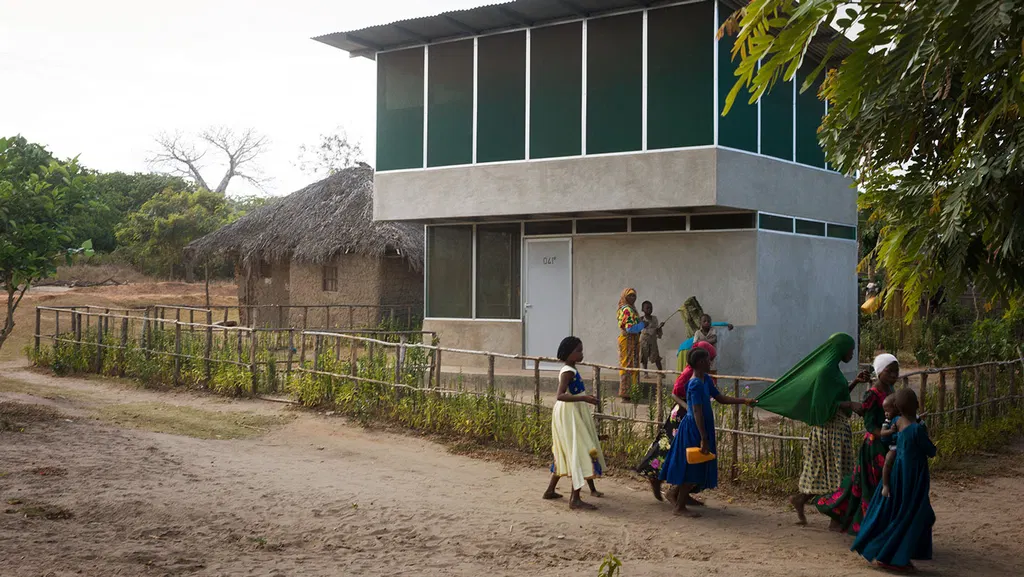
News Science & Society How house design can curb childhood illnesses in Africa The rate of malaria and diarrhea dropped in children living in experimental houses in Tanzania In a town in Tanzania, a specially designed two-story home sits next to a traditional one. Housing design can help protect children in Africa against killer childhood diseases such malaria, respiratory infections and diarrhea, a new study shows. Julian Lanoo By Tawanda Karombo 33 seconds ago Share this:Share Share via email (Opens in new window) Email Share on Facebook (Opens in new window) Facebook Share on Reddit (Opens in new window) Reddit Share on X (Opens in new window) X Print (Opens in new window) Print Houses with screens, rainwater-collection systems and cement floors could be a powerful tool in the fight…
Excerpt limited to ~120 words for fair-use compliance. The full article is at Science News.
Discussion
0 commentsMore from Science News