How Moral Panic Creates Black Markets
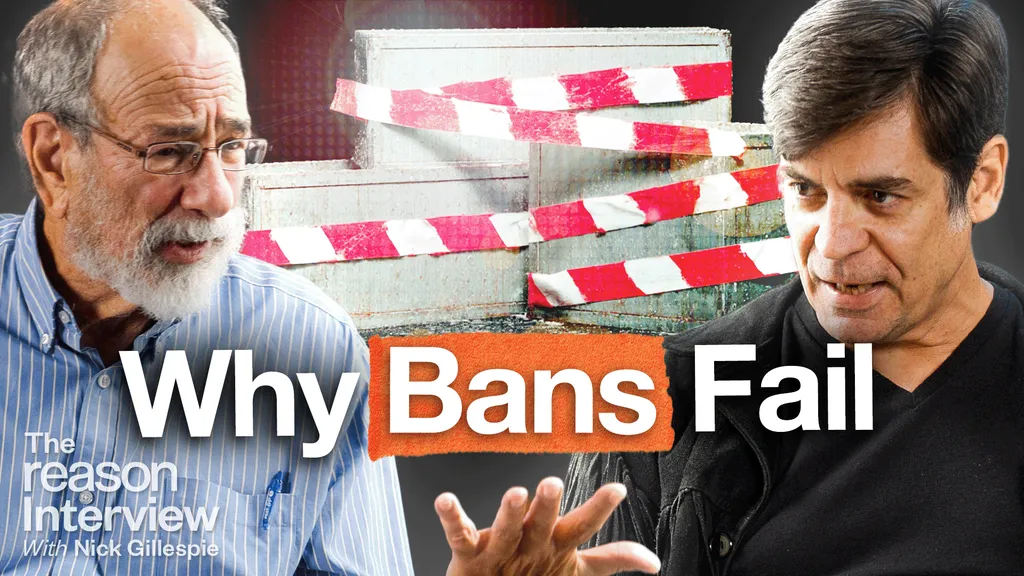
Nobel Prize-winning economist Alvin E. Roth discusses the emergence of black markets due to moral panic and prohibitions. He argues that bans on certain activities often lead to unintended consequences and that harm reduction strategies may be more effective than outright prohibition. The conversation covers various controversial topics, including the war on drugs, organ sales, and the impact of technology on market enforcement.
- ▪Alvin E. Roth discusses how moral outrage can arise from voluntary transactions that harm no one directly.
- ▪He explains that black markets often emerge when governments attempt to ban activities with persistent demand.
- ▪Roth suggests that harm reduction strategies may be more effective than prohibition in various areas, including drug policy.
Opening excerpt (first ~120 words) tap to expand
Economics How Moral Panic Creates Black Markets Nobel Prize-winning economist Alvin E. Roth discusses the moral limits of markets, how bans create black markets, and why harm reduction often works better than prohibition. Nick Gillespie | 5.27.2026 11:00 AM Share on FacebookShare on XShare on RedditShare by emailPrint friendly versionCopy page URL Add Reason to Google Media Contact & Reprint Requests https://dts.podtrac.com/redirect.mp3/d2h6a3ly6ooodw.cloudfront.net/reasontv_audio_8381768.mp3 1x 1.1x 1.25x 1.5x 2x 3x :15 :15 Download How Moral Panic Creates Black Markets HD Video Download Today's guest is Nobel Prize-winning economist Alvin E. Roth, the author of Moral Economics: From Prostitution to Organ Sales, What Controversial Transactions Reveal About How Markets Work.
…
Excerpt limited to ~120 words for fair-use compliance. The full article is at Reason Magazine.
Discussion
0 commentsMore from Reason Magazine