How to scout a safe summer swimming hole
The article discusses the risks associated with swimming in natural waterways, particularly in light of a significant sewage spill in Maryland. This incident has raised concerns about fecal pollution and its potential health impacts. As summer swimming season approaches, monitoring water quality reports becomes crucial for public safety.
- ▪A sewer line collapse in Maryland spilled over 360 Olympic-sized swimming pools of wastewater into the Potomac River.
- ▪This incident may be the largest sewage spill in U.S. history and exemplifies fecal pollution risks.
- ▪Waterborne pathogens can cause various health issues, including digestive tract infections and skin irritations.
Science News files mainly under science. We currently carry 42 of its stories.
Story provenance
Source · retrieval · rights · ranking — open for full record
inspect →
Story provenance
Attribution is not the same as permission. This drawer separates discovery metadata, excerpts, WeSearch-generated summaries, reuse status, and whether the publisher receives the visit. Nothing here claims a legal grant the publisher has not made.
Record
| Original publisher | Science News |
| Canonical URL | https://www.sciencenews.org/article/safe-summer-swimming-hole-e-coli |
| Publication time | Wed, 20 May 2026 17:00:00 +0000 |
| Retrieval time | 2026-05-20T17:05:02.733Z |
| Last seen | 2026-05-20T17:05:02.733Z |
| Headline source | Publisher (no WeSearch rewrite) |
| Excerpt source | publisher body |
| Excerpt method | First ~120 words (~800 chars) of extracted publisher body, fair-use limited. |
| Summary | WeSearch · cerebras-chat (WeSearch summarizer) |
| Summary source text | contentText |
| Citation coverage | Summary is a WeSearch-generated derivative; primary citation is the original publisher URL. |
| Cluster | UMqSFybalrjC |
| Cluster logic | Grouped by semantic title/content similarity across sources within a rolling window. Same-publisher template collisions are excluded from coverage comparison. |
| Ranking reason | Story pages are not engagement-ranked. Hub feeds use recency, with optional source-diversified chronological ordering (cap consecutive stories per source). No personalized ranking. |
| Publisher visit | Yes — open original |
| Substitutes article? | No — link-out required for full text |
Rights status (four layers)
WeSearch handling by dimension
| Indexing | May the item be indexed (stored, ranked, made findable)? | Allowed |
| Snippet | May a short excerpt of the publisher's text be shown? | Allowed |
| AI summary | May WeSearch generate its own short summary of the article? | Limited |
| Retrieval / RAG | May the content be exposed for third-party retrieval-augmented generation? | Not asserted |
| Model training | May the content be used to train AI models? | Not asserted |
| Commercial reuse | May the content be reused commercially? | Not permitted |
Basis: Derived from the published RSS/Atom feed. Contact: [email protected]. Reviewed: 2026-07-24.
Opening excerpt (first ~120 words) tap to expand
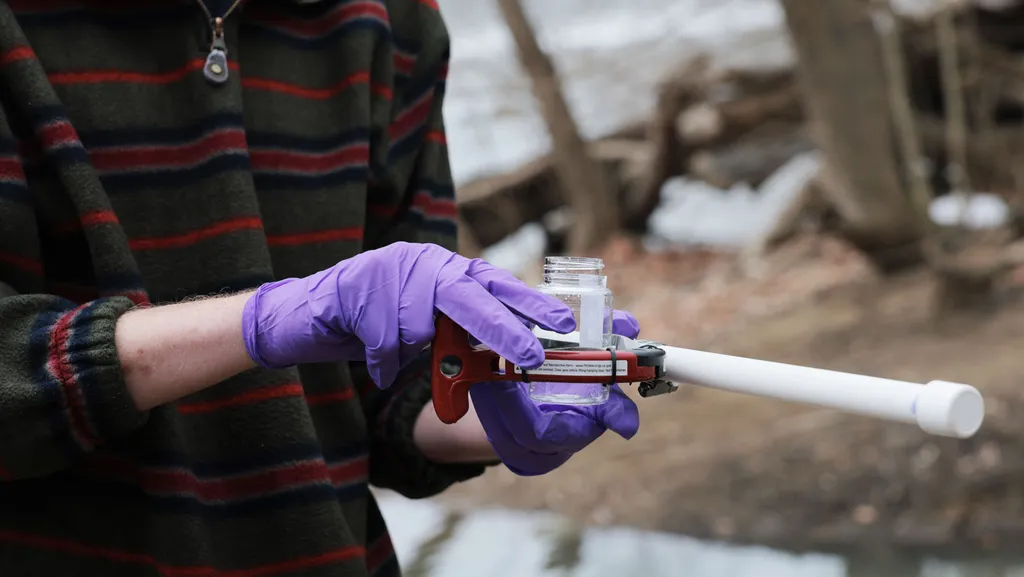
Column Health & Medicine How to scout a safe summer swimming hole Rain, runoff and other threats can carry pathogens into your local rivers and lakes By Nikk Ogasa Staff Writer 9 minutes ago A Potomac River Keeper Network employee prepares to collect a sample in Cabin John, MD following the January wastewater spill. Anna Moneymaker/Getty Images News Share this:Share Share via email (Opens in new window) Email Share on Facebook (Opens in new window) Facebook Share on Reddit (Opens in new window) Reddit Share on X (Opens in new window) X Print (Opens in new window) Print A sewer line collapse in Maryland earlier this year spilled more than 360 Olympic-sized swimming pools’ worth of wastewater into the Potomac river just upstream of Washington, D.C.
…
Excerpt limited to ~120 words for fair-use compliance. The full article is at Science News.
Discussion
0 commentsMore from Science News