How Xi Jinping is rewriting the rules of global power
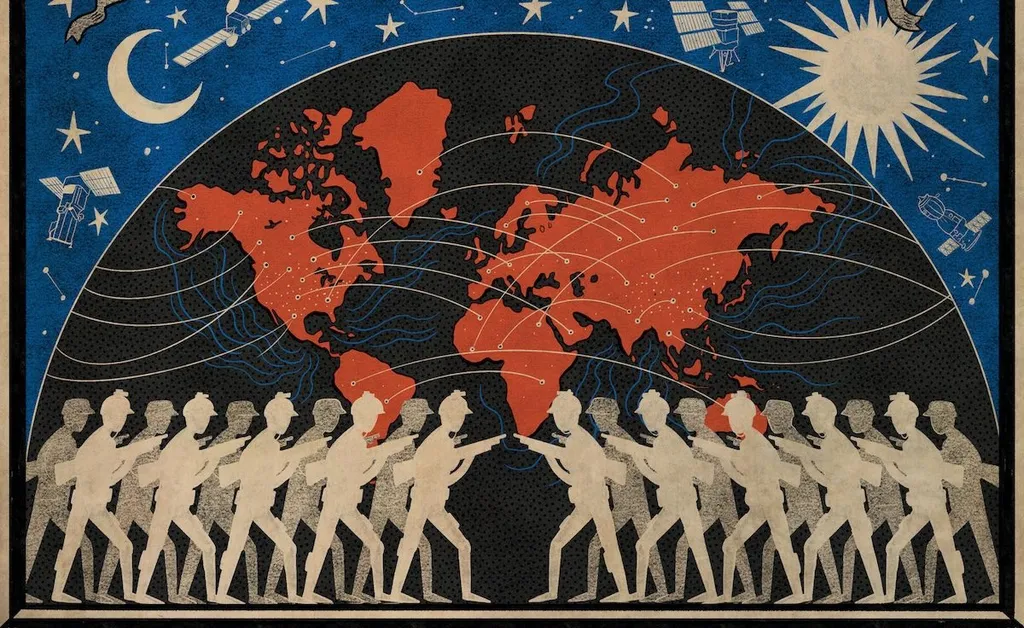
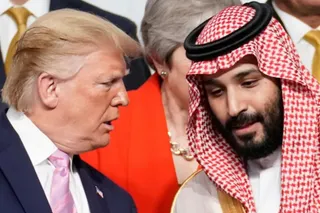
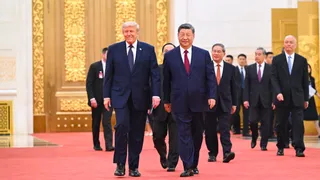
Xi Jinping is strategically positioning China as a central player in global geopolitics, evidenced by recent visits from Vladimir Putin and Donald Trump to Beijing. The dynamics of these visits highlight Russia's dependence on China and America's diplomatic challenges in adapting to this shift. As China reshapes the international order, the implications for global power balance and regional relationships are significant.
- ▪Xi Jinping's recent engagements with Putin and Trump illustrate China's growing influence in global affairs.
- ▪Russia's dependence on China has increased, particularly in energy exports and economic negotiations.
- ▪The lack of a joint statement after Trump's visit signifies a widening gap in diplomatic perspectives between the U.S. and China.
Asia Times files mainly under world. We currently carry 156 of its stories.
Story provenance
Source · retrieval · rights · ranking — open for full record
inspect →
Story provenance
Attribution is not the same as permission. This drawer separates discovery metadata, excerpts, WeSearch-generated summaries, reuse status, and whether the publisher receives the visit. Nothing here claims a legal grant the publisher has not made.
Record
| Original publisher | Asia Times |
| Canonical URL | https://asiatimes.com/2026/05/how-xi-jinping-is-rewriting-the-rules-of-global-power/ |
| Publication time | Fri, 22 May 2026 16:23:58 +0000 |
| Retrieval time | 2026-05-22T16:27:02.421Z |
| Last seen | 2026-05-22T16:27:02.421Z |
| Headline source | Publisher (no WeSearch rewrite) |
| Excerpt source | publisher body |
| Excerpt method | First ~120 words (~800 chars) of extracted publisher body, fair-use limited. |
| Summary | WeSearch · cerebras-chat (WeSearch summarizer) |
| Summary source text | contentText |
| Citation coverage | Summary is a WeSearch-generated derivative; primary citation is the original publisher URL. |
| Cluster | uMRsdTQnhbLK |
| Cluster logic | Grouped by semantic title/content similarity across sources within a rolling window. Same-publisher template collisions are excluded from coverage comparison. |
| Ranking reason | Story pages are not engagement-ranked. Hub feeds use recency, with optional source-diversified chronological ordering (cap consecutive stories per source). No personalized ranking. |
| Publisher visit | Yes — open original |
| Substitutes article? | No — link-out required for full text |
Rights status (four layers)
WeSearch handling by dimension
| Indexing | May the item be indexed (stored, ranked, made findable)? | Allowed |
| Snippet | May a short excerpt of the publisher's text be shown? | Allowed |
| AI summary | May WeSearch generate its own short summary of the article? | Limited |
| Retrieval / RAG | May the content be exposed for third-party retrieval-augmented generation? | Not asserted |
| Model training | May the content be used to train AI models? | Not asserted |
| Commercial reuse | May the content be reused commercially? | Not permitted |
Basis: Derived from the published RSS/Atom feed. Contact: [email protected]. Reviewed: 2026-07-24.
Opening excerpt (first ~120 words) tap to expand
There is an old Chinese proverb that says the skilled hunter does not chase the rabbit — he positions himself where the rabbit must eventually run. Xi Jinping, whatever his many critics may argue, has been extraordinarily patient. And now, in the span of a few remarkable weeks, both Vladimir Putin and Donald Trump have made their separate visit to Beijing. The rabbit, it turns out, ran exactly where Xi expected. This is not coincidence. It is architecture. The simultaneous gravitational pull that China is exerting on Washington and Moscow — two powers that nominally define opposing ends of the current global order — tells us something profound about where real geopolitical weight now sits. Beijing is no longer reacting to the international system.
…
Excerpt limited to ~120 words for fair-use compliance. The full article is at Asia Times.
Discussion
0 commentsMore from Asia Times