Human Cells Can Pass DNA to Each Other Through Tiny Tubes — Here's How It May Fuel Cancer Growth
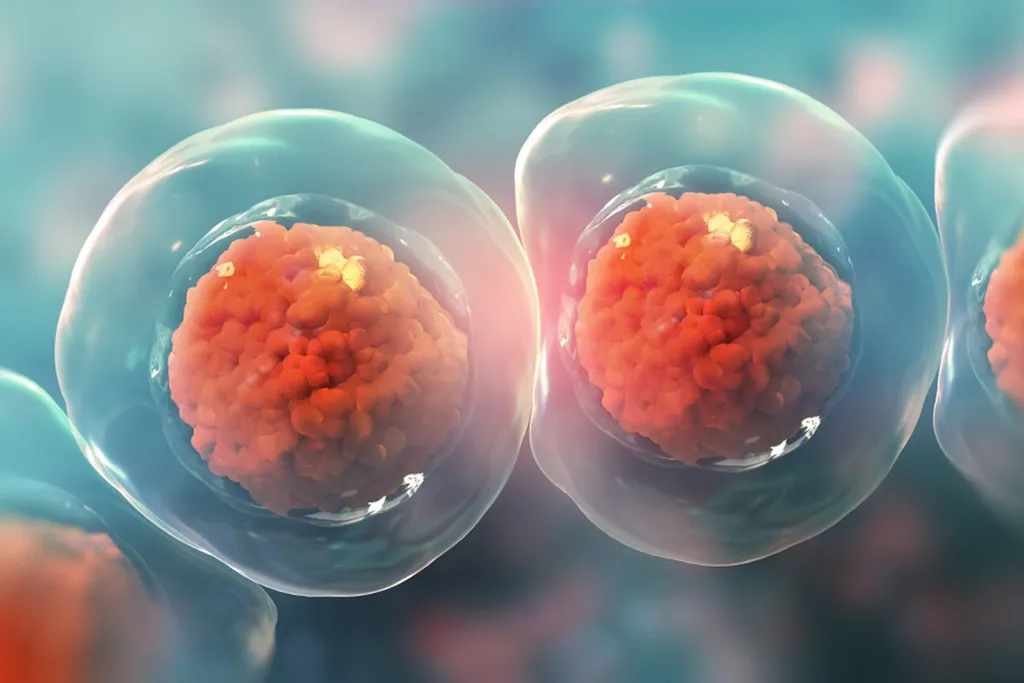
A recent study has discovered that human cells can transfer DNA to each other through tiny tubes, a process previously unseen in human cells. This horizontal gene transfer may play a significant role in genomic instability and cancer development. Researchers are now investigating the implications of this mechanism for human health and disease.
- ▪Human cells can link up to transfer DNA through nanotubes during genomic instability.
- ▪The transferred DNA can remain functional and influence the recipient cells' traits.
- ▪This discovery may change our understanding of how cancer cells can spread harmful genetic material to non-cancerous cells.
Discover Magazine files mainly under science. We currently carry 86 of its stories.
Story provenance
Source · retrieval · rights · ranking — open for full record
inspect →
Story provenance
Attribution is not the same as permission. This drawer separates discovery metadata, excerpts, WeSearch-generated summaries, reuse status, and whether the publisher receives the visit. Nothing here claims a legal grant the publisher has not made.
Record
| Original publisher | Discover Magazine |
| Canonical URL | https://www.discovermagazine.com/human-cells-can-pass-dna-to-each-other-through-tiny-tubes-here-s-how-it-may-fuel-cancer-growth-49163 |
| Publication time | Wed, 27 May 2026 21:55:00 GMT |
| Retrieval time | 2026-05-27T22:03:05.358Z |
| Last seen | 2026-05-27T22:03:05.358Z |
| Headline source | Publisher (no WeSearch rewrite) |
| Excerpt source | publisher body |
| Excerpt method | First ~120 words (~800 chars) of extracted publisher body, fair-use limited. |
| Summary | WeSearch · cerebras-chat (WeSearch summarizer) |
| Summary source text | contentText |
| Citation coverage | Summary is a WeSearch-generated derivative; primary citation is the original publisher URL. |
| Cluster | zlKAOQSRHOQ- |
| Cluster logic | Grouped by semantic title/content similarity across sources within a rolling window. Same-publisher template collisions are excluded from coverage comparison. |
| Ranking reason | Story pages are not engagement-ranked. Hub feeds use recency, with optional source-diversified chronological ordering (cap consecutive stories per source). No personalized ranking. |
| Publisher visit | Yes — open original |
| Substitutes article? | No — link-out required for full text |
Rights status (four layers)
WeSearch handling by dimension
| Indexing | May the item be indexed (stored, ranked, made findable)? | Allowed |
| Snippet | May a short excerpt of the publisher's text be shown? | Allowed |
| AI summary | May WeSearch generate its own short summary of the article? | Limited |
| Retrieval / RAG | May the content be exposed for third-party retrieval-augmented generation? | Not asserted |
| Model training | May the content be used to train AI models? | Not asserted |
| Commercial reuse | May the content be reused commercially? | Not permitted |
Basis: Derived from the published RSS/Atom feed. Contact: [email protected]. Reviewed: 2026-07-24.
Opening excerpt (first ~120 words) tap to expand
When cells in our body are going through a rough patch due to radiation or botched attempts to divide, they sometimes link up with other cells to safely hand over their DNA. This process of DNA transfer — supported by tiny tubes that form between two cells, passing DNA from one to the other — has been observed for the first time in human cells, and this discovery may very well change how we think about our cells. A new study published in Cell found that human cells are capable of responding to genomic instability by relocating pieces of DNA to other nearby cells. When this happens, two cells connect by way of nanotubes that act like chutes, delivering DNA that remains active.
…
Excerpt limited to ~120 words for fair-use compliance. The full article is at Discover Magazine.
Discussion
0 commentsMore from Discover Magazine