
In Defence of Distraction
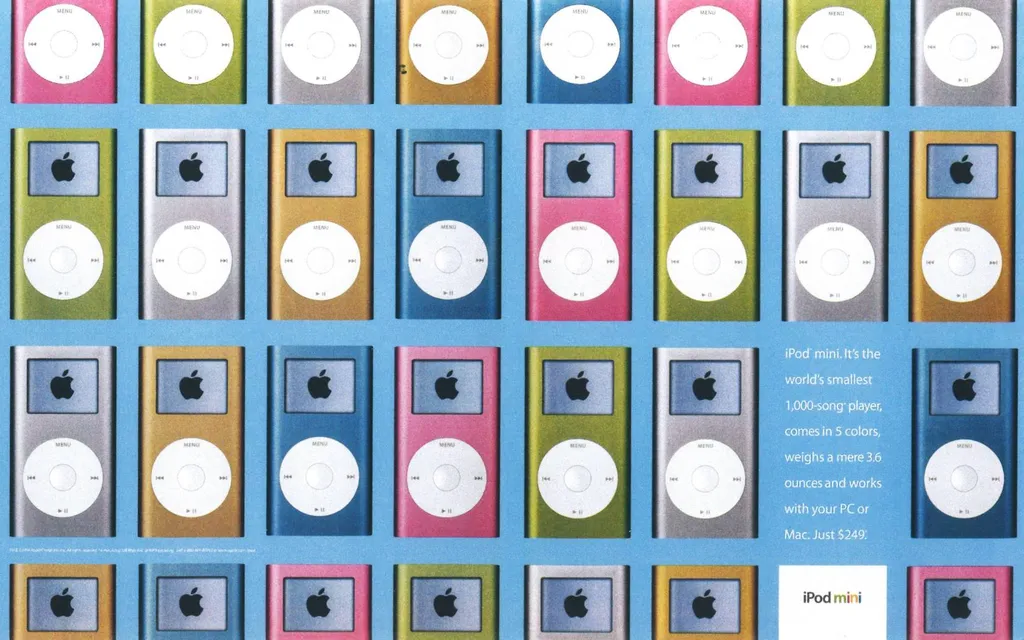
The article explores the complex relationship between technology and distraction, particularly focusing on the evolution from devices like the iPod to modern smartphones. It reflects on how these technologies have transformed our engagement with music and storytelling, often blurring the lines between presence and distraction. Historical references to literature illustrate the ambivalence of new technologies as both exciting and anxiety-inducing.
- ▪The author reminisces about the personal experience of using an iPod Classic and the joy it brought.
- ▪Smartphones have changed how we access and engage with music, making it more instantaneous but less intentional.
- ▪Historical literary figures have expressed similar anxieties about new technologies and their impact on attention and storytelling.
Hacker News (Newest) files mainly under programming. We currently carry 5,306 of its stories.
Story provenance
Source · retrieval · rights · ranking — open for full record
inspect →
Story provenance
Attribution is not the same as permission. This drawer separates discovery metadata, excerpts, WeSearch-generated summaries, reuse status, and whether the publisher receives the visit. Nothing here claims a legal grant the publisher has not made.
Record
| Original publisher | Engelsberg ideas |
| Canonical URL | https://engelsbergideas.com/notebook/in-defence-of-distraction/ |
| Publication time | Fri, 29 May 2026 04:42:21 +0000 |
| Retrieval time | 2026-05-29T04:59:41.898Z |
| Last seen | 2026-05-29T04:59:41.898Z |
| Headline source | Publisher (no WeSearch rewrite) |
| Excerpt source | publisher body |
| Excerpt method | First ~120 words (~800 chars) of extracted publisher body, fair-use limited. |
| Summary | WeSearch · cerebras-chat (WeSearch summarizer) |
| Summary source text | contentText |
| Citation coverage | Summary is a WeSearch-generated derivative; primary citation is the original publisher URL. |
| Cluster | None |
| Cluster logic | Not yet clustered, or no peer story found in the clustering window. |
| Ranking reason | Story pages are not engagement-ranked. Hub feeds use recency, with optional source-diversified chronological ordering (cap consecutive stories per source). No personalized ranking. |
| Publisher visit | Yes — open original |
| Substitutes article? | No — link-out required for full text |
Rights status (four layers)
WeSearch handling by dimension
| Indexing | May the item be indexed (stored, ranked, made findable)? | Allowed |
| Snippet | May a short excerpt of the publisher's text be shown? | Allowed |
| AI summary | May WeSearch generate its own short summary of the article? | Limited |
| Retrieval / RAG | May the content be exposed for third-party retrieval-augmented generation? | Not asserted |
| Model training | May the content be used to train AI models? | Not asserted |
| Commercial reuse | May the content be reused commercially? | Not permitted |
Basis: Derived from the published RSS/Atom feed. Contact: [email protected]. Reviewed: 2026-07-24.
Opening excerpt (first ~120 words) tap to expand
Notebooks In defence of distraction May 18, 2026 Alastair Benn Themes: Culture, Technology The smartphone inherits anxieties about distraction that have haunted every new technology. A 2004 Apple iPod mini advert. Credit: adsR / Alamy While clearing out an old box of childhood memorabilia, I came across an iPod Classic 120GB, the first advanced piece of technology I used. I immediately tried to charge it but, no, it seems to have suffered some kind of death. Just touching it brought back a rush of memories. For the first few weeks of owning it, I was consumed by it, excited to laboriously download my Dad’s CDs onto it. The first time I used it out in the corner shop, I found myself in an ecstatic frame of mind.
…
Excerpt limited to ~120 words for fair-use compliance. The full article is at Engelsberg ideas.
Discussion
0 commentsMore from Engelsberg ideas


