
iPhone 18 Pro: Using the New Variable Aperture Lens
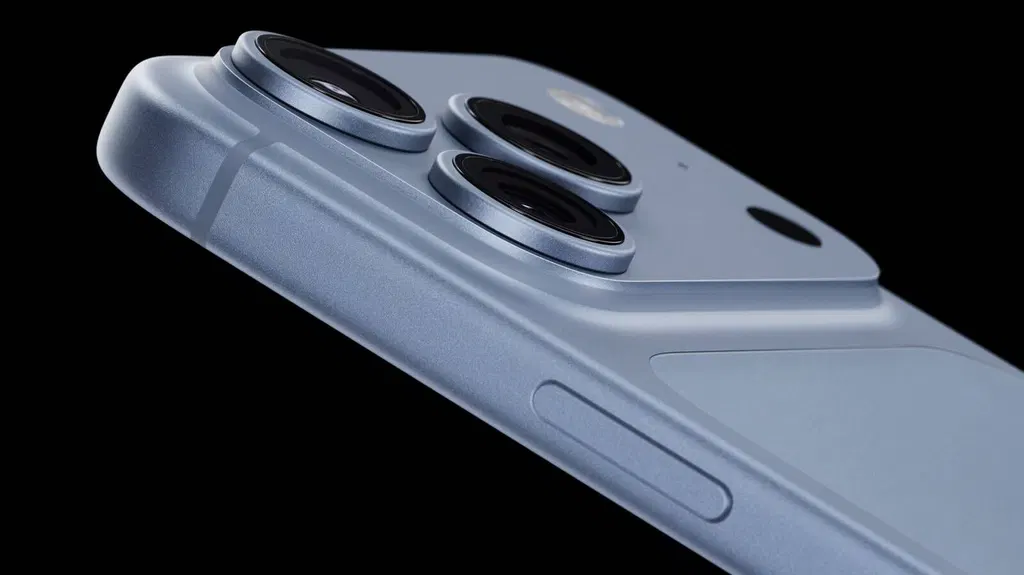
Like the iPhone 17 Pro models, the new iPhone 18 Pro and iPhone 18 Pro Max have three rear cameras – a 48MP Fusion Main lens, an 8x48MP Telephoto lens, and a 48MP Ultra Wide lens. They also share the same focal lengths and resolutions as their predecessors. The big upgrade this year though is the new variable aperture on the Main camera.
- ▪Like the iPhone 17 Pro models, the new iPhone 18 Pro and iPhone 18 Pro Max have three rear cameras – a 48MP Fusion Main lens, an 8x48MP Telephoto lens, and a 48MP Ultra Wide lens.
- ▪They also share the same focal lengths and resolutions as their predecessors.
- ▪The big upgrade this year though is the new variable aperture on the Main camera.
3 outlets in our directory ran this story, first to last over 14 hours. Coverage spans 2 points on the political spectrum — 1 lean left, 1 centre.
MacRumors files mainly under tech. We currently carry 466 of its stories.
Story provenance
Source · retrieval · rights · ranking — open for full record
inspect →
Story provenance
Attribution is not the same as permission. This drawer separates discovery metadata, excerpts, WeSearch-generated summaries, reuse status, and whether the publisher receives the visit. Nothing here claims a legal grant the publisher has not made.
Record
| Original publisher | MacRumors |
| Canonical URL | https://www.macrumors.com/how-to/iphone-18-pro-using-variable-aperture/ |
| Publication time | Fri, 18 Sep 2026 07:44:02 +0000 |
| Retrieval time | 2026-09-18T10:08:45.346Z |
| Last seen | 2026-09-18T10:08:45.346Z |
| Headline source | Publisher (no WeSearch rewrite) |
| Excerpt source | publisher body |
| Excerpt method | First ~120 words (~800 chars) of extracted publisher body, fair-use limited. |
| Summary | WeSearch · cerebras-chat (WeSearch summarizer) |
| Summary source text | contentText |
| Citation coverage | Summary is a WeSearch-generated derivative; primary citation is the original publisher URL. |
| Cluster | ODFInp-H8u-W · 3 stories |
| Cluster logic | Grouped by semantic title/content similarity across sources within a rolling window. Same-publisher template collisions are excluded from coverage comparison. |
| Ranking reason | Story pages are not engagement-ranked. Hub feeds use recency, with optional source-diversified chronological ordering (cap consecutive stories per source). No personalized ranking. |
| Publisher visit | Yes — open original |
| Substitutes article? | No — link-out required for full text |
Rights status (four layers)
WeSearch handling by dimension
| Indexing | May the item be indexed (stored, ranked, made findable)? | Allowed |
| Snippet | May a short excerpt of the publisher's text be shown? | Allowed |
| AI summary | May WeSearch generate its own short summary of the article? | Limited |
| Retrieval / RAG | May the content be exposed for third-party retrieval-augmented generation? | Not asserted |
| Model training | May the content be used to train AI models? | Not asserted |
| Commercial reuse | May the content be reused commercially? | Not permitted |
Basis: Derived from the published RSS/Atom feed. Contact: [email protected]. Reviewed: 2026-07-24.
Opening excerpt (first ~120 words) tap to expand
Like the iPhone 17 Pro models, the new iPhone 18 Pro and iPhone 18 Pro Max have three rear cameras – a 48MP Fusion Main lens, an 8x48MP Telephoto lens, and a 48MP Ultra Wide lens. They also share the same focal lengths and resolutions as their predecessors. The big upgrade this year though is the new variable aperture on the Main camera. Let's dive in. Aperture is what controls how much light enters the lens and hits the sensor. If too little light hits that sensor, images tend to be blurry and/or grainy. To compensate, the shutter has to stay open longer, or it has to turn on Night Mode. The problem with this approach is that the longer the shutter stays open or Night Mode is engaged, the more likely that the imagery will be blurry. Even still photos can lack sharpness and definition.
…
Excerpt limited to ~120 words for fair-use compliance. The full article is at MacRumors.
Discussion
0 commentsMore from MacRumors


