It Actually Takes a Lot Longer Than You'd Think to Lose Muscle From Not Working Out
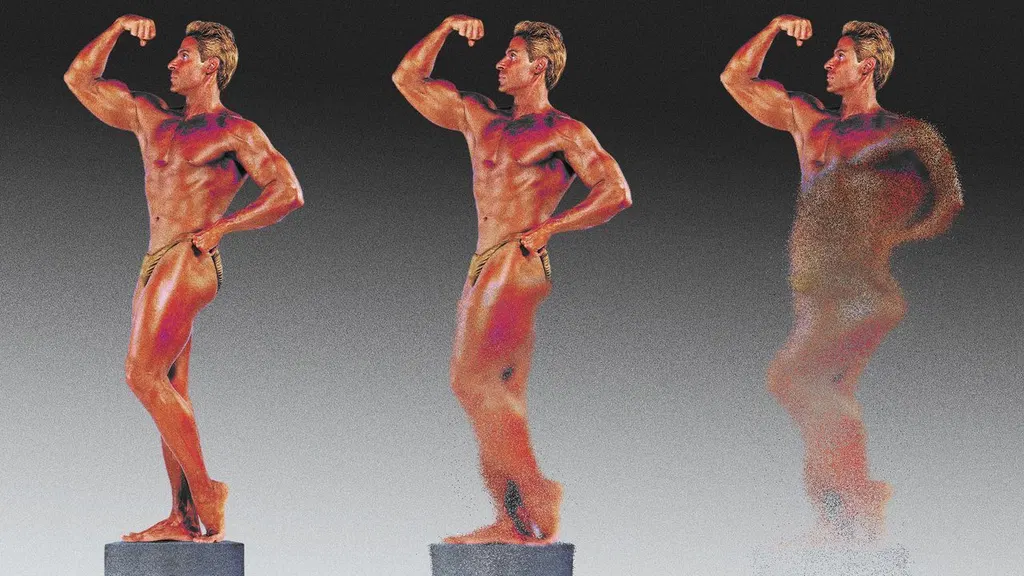
Taking time off from working out does not lead to immediate muscle loss. It generally takes three to four weeks of inactivity to start noticing a decrease in strength performance. Aerobic capacity, however, decreases more quickly, often within two weeks of reduced training.
- ▪Strength and endurance respond differently to detraining, with strength being maintained longer during inactivity.
- ▪It usually takes three to four weeks to notice a decrease in strength performance with complete cessation of activity.
- ▪Aerobic capacity decreases quicker than strength, with noticeable declines occurring around two weeks off.
GQ files mainly under fashion. We currently carry 75 of its stories.
Story provenance
Source · retrieval · rights · ranking — open for full record
inspect →
Story provenance
Attribution is not the same as permission. This drawer separates discovery metadata, excerpts, WeSearch-generated summaries, reuse status, and whether the publisher receives the visit. Nothing here claims a legal grant the publisher has not made.
Record
| Original publisher | GQ |
| Canonical URL | https://www.gq.com/story/how-long-does-it-take-to-lose-muscle-gains-5 |
| Publication time | Sat, 23 May 2026 15:17:47 +0000 |
| Retrieval time | 2026-05-23T15:37:27.514Z |
| Last seen | 2026-05-23T15:37:27.514Z |
| Headline source | Publisher (no WeSearch rewrite) |
| Excerpt source | publisher body |
| Excerpt method | First ~120 words (~800 chars) of extracted publisher body, fair-use limited. |
| Summary | WeSearch · cerebras-chat (WeSearch summarizer) |
| Summary source text | contentText |
| Citation coverage | Summary is a WeSearch-generated derivative; primary citation is the original publisher URL. |
| Cluster | EL6shlFnPyOz |
| Cluster logic | Grouped by semantic title/content similarity across sources within a rolling window. Same-publisher template collisions are excluded from coverage comparison. |
| Ranking reason | Story pages are not engagement-ranked. Hub feeds use recency, with optional source-diversified chronological ordering (cap consecutive stories per source). No personalized ranking. |
| Publisher visit | Yes — open original |
| Substitutes article? | No — link-out required for full text |
Rights status (four layers)
WeSearch handling by dimension
| Indexing | May the item be indexed (stored, ranked, made findable)? | Allowed |
| Snippet | May a short excerpt of the publisher's text be shown? | Allowed |
| AI summary | May WeSearch generate its own short summary of the article? | Limited |
| Retrieval / RAG | May the content be exposed for third-party retrieval-augmented generation? | Not asserted |
| Model training | May the content be used to train AI models? | Not asserted |
| Commercial reuse | May the content be reused commercially? | Not permitted |
Basis: Derived from the published RSS/Atom feed. Contact: [email protected]. Reviewed: 2026-07-24.
Opening excerpt (first ~120 words) tap to expand
WellnessIt Actually Takes a Lot Longer Than You'd Think to Lose Muscle From Not Working OutIn other words, relax—a week or two off when you’re sick or traveling isn’t a dealbreaker.By Hannah SingletonMay 23, 2026Photograph: Getty Images; Collage: Gabe ConteSave StorySave this storySave StorySave this storyIf you love to work out, it can be mentally and physically difficult to take time off. I like to strength train four days a week and incorporate cardio by boxing or running, so when I’m too sedentary, my body gets restless, and my focus goes out the window. If I catch a cold or have a jam-packed vacation planned, I feel guilty for allowing my routine to lag for a week or two.
…
Excerpt limited to ~120 words for fair-use compliance. The full article is at GQ.
Discussion
0 commentsMore from GQ