Laser-driven spintronic memory device switches 1,000 times faster than DRAM —non-volatile device switches in 40 picoseconds while generating almost no heat
Researchers at the University of Tokyo have developed a laser-driven spintronic memory device that can switch states in just 40 picoseconds. This non-volatile device operates with minimal power consumption and generates significantly less heat compared to traditional memory technologies like DRAM. The innovation addresses critical energy and cooling challenges faced by modern AI hardware.
- ▪The new device switches states in 40 picoseconds, making it 1,000 times faster than DRAM.
- ▪It uses manganese-tin (Mn₃Sn) as the antiferromagnetic material for its operation.
- ▪The device can retain information after power removal, enhancing its non-volatile capabilities.
Opening excerpt (first ~120 words) tap to expand
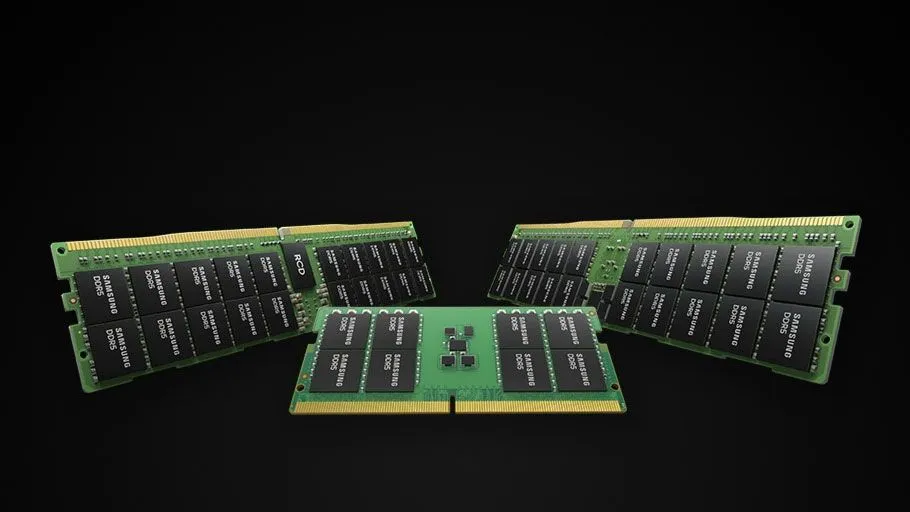
PC Components Storage Laser-driven spintronic memory device switches 1,000 times faster than DRAM —non-volatile device switches in 40 picoseconds while generating almost no heat News By Etiido Uko published 20 May 2026 Device achieves picosecond-scale speeds without heat. When you purchase through links on our site, we may earn an affiliate commission. Here’s how it works. (Image credit: Samsung) Share Copy link Facebook X Whatsapp Reddit Pinterest Flipboard Email Share this article Join the conversation Follow us Add us as a preferred source on Google Newsletter Subscribe to our newsletter Researchers at the University of Tokyo say they have demonstrated a non-volatile magnetic switching device capable of flipping states in just 40 picoseconds while consuming unusually little power and…
Excerpt limited to ~120 words for fair-use compliance. The full article is at Tom's Hardware.
Discussion
0 commentsMore from Tom's Hardware