
Lobster embryo microbiomes remain resilient in future ocean conditions, sequencing reveals
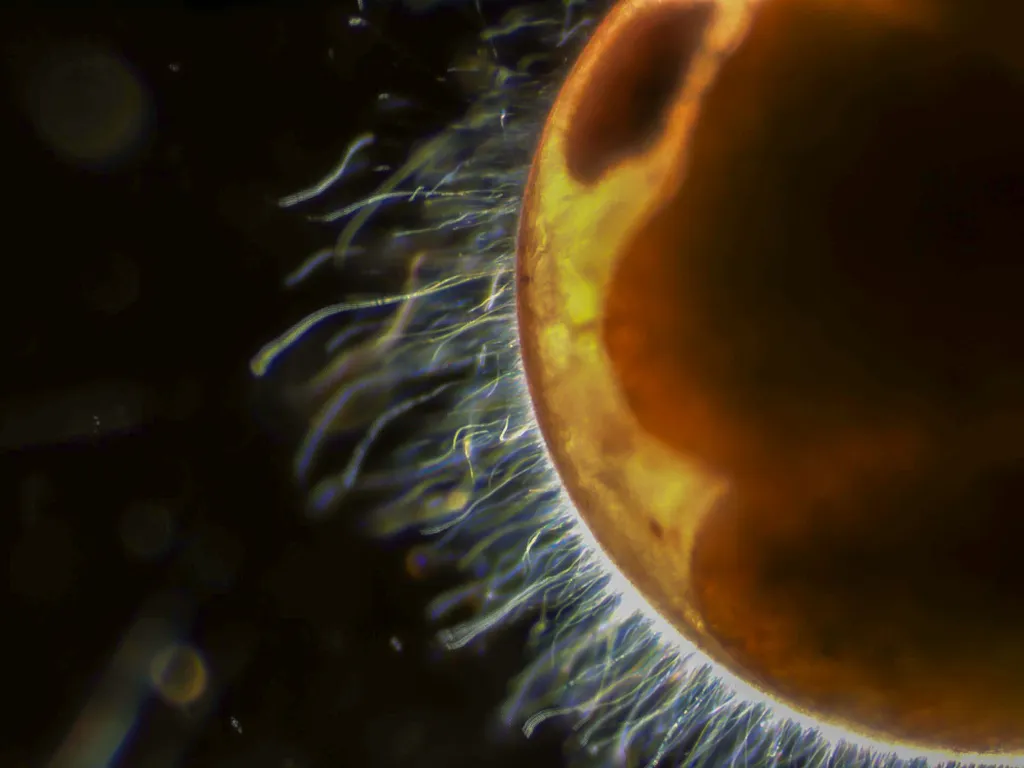
Lobster embryo microbiomes show unexpected diversity and resilience to changing ocean conditions, according to a study by researchers at William & Mary's Batten School and the Virginia Institute of Marine Science. Using genetic sequencing, the team found that microbial communities on lobster embryos develop steadily and remain stable despite warmer temperatures and lower pH levels. The findings suggest that lobster embryos may have a natural resilience to near-term climate change, which could inform conservation and disease management in this key fishery.
- ▪Lobster embryos host diverse microbial communities that become more complex as the embryos develop.
- ▪The microbiomes remain stable under simulated future ocean conditions, including higher temperatures and acidity.
- ▪The microbial communities on embryos differ significantly from those in surrounding seawater, indicating selective colonization.
- ▪Researchers believe some microbes may be inherited from the mother, giving embryos a microbial head start.
- ▪The study challenges long-held assumptions that lobster eggs host only a few bacterial species.
Phys.org files mainly under science. We currently carry 1,131 of its stories.
Opening excerpt (first ~120 words) tap to expand
May 16, 2026 Lobster embryo microbiomes remain resilient in future ocean conditions, sequencing reveals by Virginia Institute of Marine Science edited by Stephanie Baum, reviewed by Andrew Zinin Stephanie Baum Scientific Editor Meet our editorial team Behind our editorial process Andrew Zinin Lead Editor Meet our editorial team Behind our editorial process Editors' notes This article has been reviewed according to Science X's editorial process and policies. Editors have highlighted the following attributes while ensuring the content's credibility: fact-checked peer-reviewed publication trusted source proofread The GIST Add as preferred source The exterior surface of a late-stage lobster embryo covered by filamentous bacteria at 400x magnification.
…
Excerpt limited to ~120 words for fair-use compliance. The full article is at Phys.org.