Nature spaces 'need to be next to where people live'
Conservationists are urging policymakers to prioritize the creation of wildlife-rich green spaces within a 15-minute walk of urban residents. Organizations across the UK are transforming former industrial sites and neglected parks into accessible habitats to improve public health and biodiversity. These initiatives aim to ensure that nature is an essential part of community infrastructure rather than a distant destination.
- ▪The Wildlife Trusts has called on the UK government to improve public access to nature by integrating green spaces into urban planning.
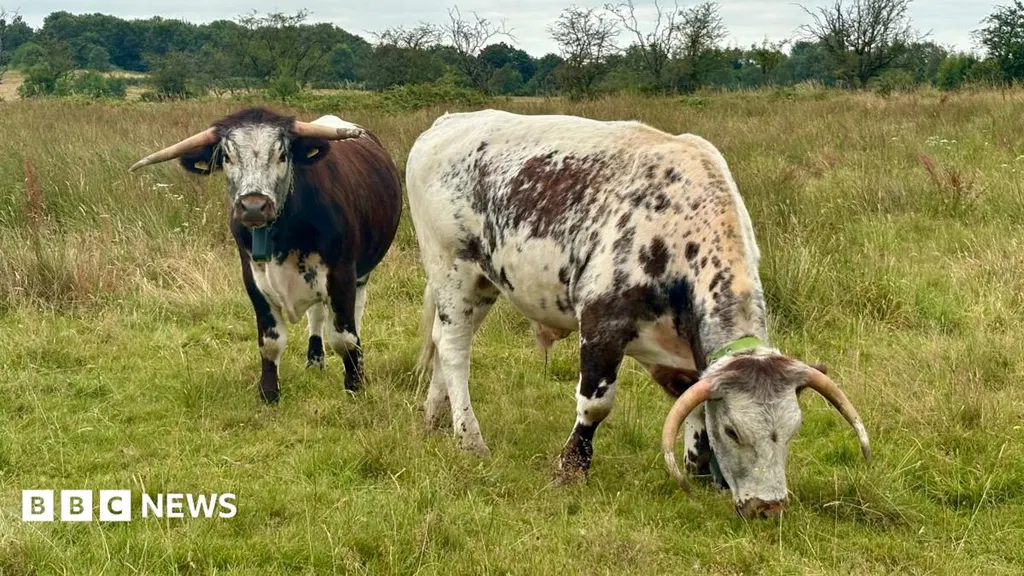
- ▪The Lancashire Wildlife Trust converted the Cutacre former coal mine in Salford into a nature reserve featuring meadows, wetlands, and grazing areas.
- ▪Residents in Tottenham transformed the Lordship Recreation Ground into a biodiverse park with the help of £7 million in funding.
- ▪Research indicates that many people lack access to parks or woodlands within a 15-minute walk of their homes.
- ▪The coalition led by the Horticultural Trades Association wants trees and parks to be recognized as essential infrastructure requiring long-term investment.
BBC News — Science publishes from United Kingdom and files mainly under science. We currently carry 275 of its stories.
Story provenance
Source · retrieval · rights · ranking — open for full record
inspect →
Story provenance
Attribution is not the same as permission. This drawer separates discovery metadata, excerpts, WeSearch-generated summaries, reuse status, and whether the publisher receives the visit. Nothing here claims a legal grant the publisher has not made.
Record
| Original publisher | BBC News — Science |
| Canonical URL | https://www.bbc.co.uk/news/articles/cm1j43rwye77o?at_medium=RSS&at_campaign=rss |
| Publication time | Mon, 28 Sep 2026 05:40:54 GMT |
| Retrieval time | 2026-09-28T05:46:14.070Z |
| Last seen | 2026-09-28T05:46:14.070Z |
| Headline source | Publisher (no WeSearch rewrite) |
| Excerpt source | publisher body |
| Excerpt method | First ~120 words (~800 chars) of extracted publisher body, fair-use limited. |
| Summary | WeSearch · cerebras-chat (WeSearch summarizer) |
| Summary source text | contentText |
| Citation coverage | Summary is a WeSearch-generated derivative; primary citation is the original publisher URL. |
| Cluster | FRcvbw0_s61d · 1 stories |
| Cluster logic | Grouped by semantic title/content similarity across sources within a rolling window. Same-publisher template collisions are excluded from coverage comparison. |
| Ranking reason | Story pages are not engagement-ranked. Hub feeds use recency, with optional source-diversified chronological ordering (cap consecutive stories per source). No personalized ranking. |
| Publisher visit | Yes — open original |
| Substitutes article? | No — link-out required for full text |
Rights status (four layers)
WeSearch handling by dimension
| Indexing | May the item be indexed (stored, ranked, made findable)? | Allowed |
| Snippet | May a short excerpt of the publisher's text be shown? | Allowed |
| AI summary | May WeSearch generate its own short summary of the article? | Limited |
| Retrieval / RAG | May the content be exposed for third-party retrieval-augmented generation? | Not asserted |
| Model training | May the content be used to train AI models? | Not asserted |
| Commercial reuse | May the content be reused commercially? | Not permitted |
Basis: Derived from the published RSS/Atom feed. Contact: [email protected]. Reviewed: 2026-07-24.
Opening excerpt (first ~120 words) tap to expand
Nature spaces 'need to be next to where people live'Image source, PAImage caption, Longhorn cattle graze at a former open-cast coal mine on the edge of SalfordPublished4 minutes agoPeople should not have to travel far to experience the joys of nature, conservationists have said, as campaigners push for more wildlife-rich green spaces in urban areas.From Greater Manchester to north London, organisations and volunteers are transforming former industrial land and neglected parks into habitats for wildlife and places for people to enjoy.Research suggests many people do not have access to parks, woodlands or wetlands within a 15-minute walk of their home, despite evidence that time spent in nature can improve health and wellbeing.Stephen Cartwright, from the Lancashire Wildlife Trust, said:…
Excerpt limited to ~120 words for fair-use compliance. The full article is at BBC News — Science.
Discussion
0 commentsMore from BBC News — Science