New data center will be partially powered by human brain cells for the first time
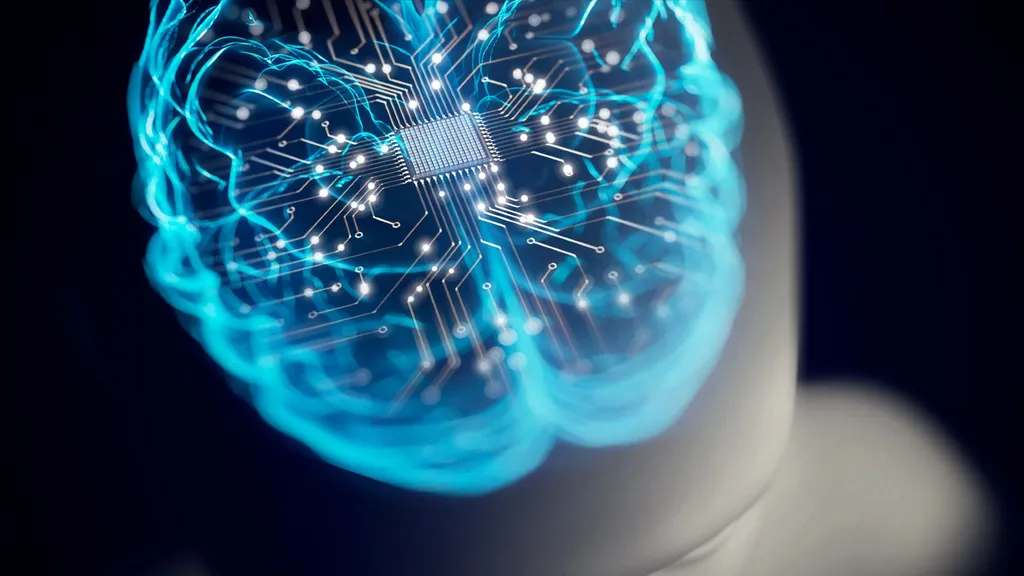
An Australian startup, Cortical Labs, is developing a biological data center that integrates lab-grown human neurons with traditional computing hardware. The facility, initially launched in Melbourne and planned for expansion in Singapore, uses hybrid systems called CL1 that combine living neural networks with electronic components. The goal is to explore whether biological systems can enhance computing efficiency for specific tasks through adaptive learning processes.
- ▪Cortical Labs has opened a biological data center in Melbourne, Australia, with plans for a larger site in Singapore.
- ▪The CL1 system uses approximately 200,000 lab-grown human neurons on a microelectrode array to interface biological and electronic signals.
- ▪Previous experiments demonstrated that these neurons could learn to play simplified games like Pong and interact with a basic version of Doom through feedback loops.
- ▪The hybrid system includes a life-support environment to maintain cell viability and software to translate neural activity into digital outputs.
- ▪The technology aims to complement, not replace, traditional silicon-based computing by leveraging the adaptive nature of living neurons.
Live Science files mainly under science. We currently carry 137 of its stories.
Story provenance
Source · retrieval · rights · ranking — open for full record
inspect →
Story provenance
Attribution is not the same as permission. This drawer separates discovery metadata, excerpts, WeSearch-generated summaries, reuse status, and whether the publisher receives the visit. Nothing here claims a legal grant the publisher has not made.
Record
| Original publisher | Live Science |
| Canonical URL | https://www.livescience.com/technology/computing/new-data-center-will-be-partially-powered-by-human-brain-cells-for-the-first-time |
| Publication time | Tue, 28 Apr 2026 12:14:21 +0000 |
| Retrieval time | 2026-04-28T12:19:31.915Z |
| Last seen | 2026-04-28T12:19:31.915Z |
| Headline source | Publisher (no WeSearch rewrite) |
| Excerpt source | publisher body |
| Excerpt method | First ~120 words (~800 chars) of extracted publisher body, fair-use limited. |
| Summary | WeSearch · cerebras-chat (WeSearch summarizer) |
| Summary source text | contentText |
| Citation coverage | Summary is a WeSearch-generated derivative; primary citation is the original publisher URL. |
| Cluster | tcB-bfGh7ezw |
| Cluster logic | Grouped by semantic title/content similarity across sources within a rolling window. Same-publisher template collisions are excluded from coverage comparison. |
| Ranking reason | Story pages are not engagement-ranked. Hub feeds use recency, with optional source-diversified chronological ordering (cap consecutive stories per source). No personalized ranking. |
| Publisher visit | Yes — open original |
| Substitutes article? | No — link-out required for full text |
Rights status (four layers)
WeSearch handling by dimension
| Indexing | May the item be indexed (stored, ranked, made findable)? | Allowed |
| Snippet | May a short excerpt of the publisher's text be shown? | Allowed |
| AI summary | May WeSearch generate its own short summary of the article? | Limited |
| Retrieval / RAG | May the content be exposed for third-party retrieval-augmented generation? | Not asserted |
| Model training | May the content be used to train AI models? | Not asserted |
| Commercial reuse | May the content be reused commercially? | Not permitted |
Basis: Derived from the published RSS/Atom feed. Contact: [email protected]. Reviewed: 2026-07-24.
Opening excerpt (first ~120 words) tap to expand
Technology Computing New data center will be partially powered by human brain cells for the first time A startup is experimenting with data centers powered by lab-grown human neurons, testing whether living cells can offer a more efficient alternative to traditional computing. By Carly Page published 28 April 2026 in News When you purchase through links on our site, we may earn an affiliate commission. Here’s how it works. (Image credit: Yuichiro Chino via Getty Images) Copy link Facebook X Reddit Pinterest Flipboard Share this article 6 Join the conversation Follow us Add us as a preferred source on Google Newsletter Subscribe to our newsletter An Australian startup is building what could become one of the world's first "biological data centers" — augmenting silicon computing chips with…
Excerpt limited to ~120 words for fair-use compliance. The full article is at Live Science.
Discussion
0 commentsMore from Live Science