Next power move in China’s SE Asia strategy is nuclear
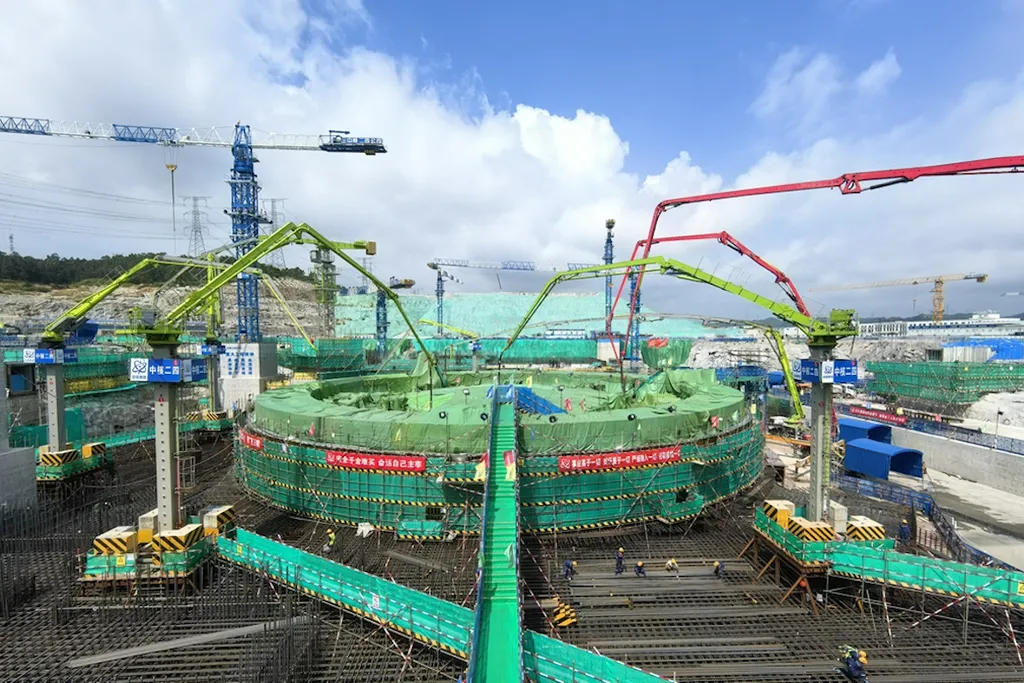
China's nuclear industry is increasingly influencing Southeast Asia's energy strategies. Countries like Vietnam and Indonesia are turning to nuclear energy to support industrial growth and reduce coal dependence. This shift marks a significant change in the region's energy landscape, with China emerging as a key partner in nuclear development.
- ▪China's nuclear industry is becoming a geopolitical tool in Southeast Asia.
- ▪Vietnam and Russia signed an agreement for the Ninh Thuan 1 nuclear power plant in March 2026.
- ▪China operates 61 nuclear reactors and has 36 under construction, making it a leading nuclear exporter.
Opening excerpt (first ~120 words) tap to expand
China’s expanding nuclear industry is becoming a new instrument of geopolitical influence across Southeast Asia. From Vietnam to Indonesia, governments increasingly view nuclear energy as necessary to sustain industrial growth, AI infrastructure and rising electricity demand while reducing dependence on coal. The result is a regional nuclear reconsideration that would have seemed politically improbable only a decade ago. Vietnam and Russia signed an agreement in March 2026 for the Ninh Thuan 1 nuclear power plant. The Philippines and Indonesia aim to operationalize reactors in the early 2030s, while Malaysia, Thailand and Singapore are studying small modular reactors as part of future energy planning. At the center of this transformation stands China.
…
Excerpt limited to ~120 words for fair-use compliance. The full article is at Asia Times.
Discussion
0 commentsMore from Asia Times