Nigel Jones: The assassination of a British Prime Minister is mercifully a peaceful affair – bar Perceval
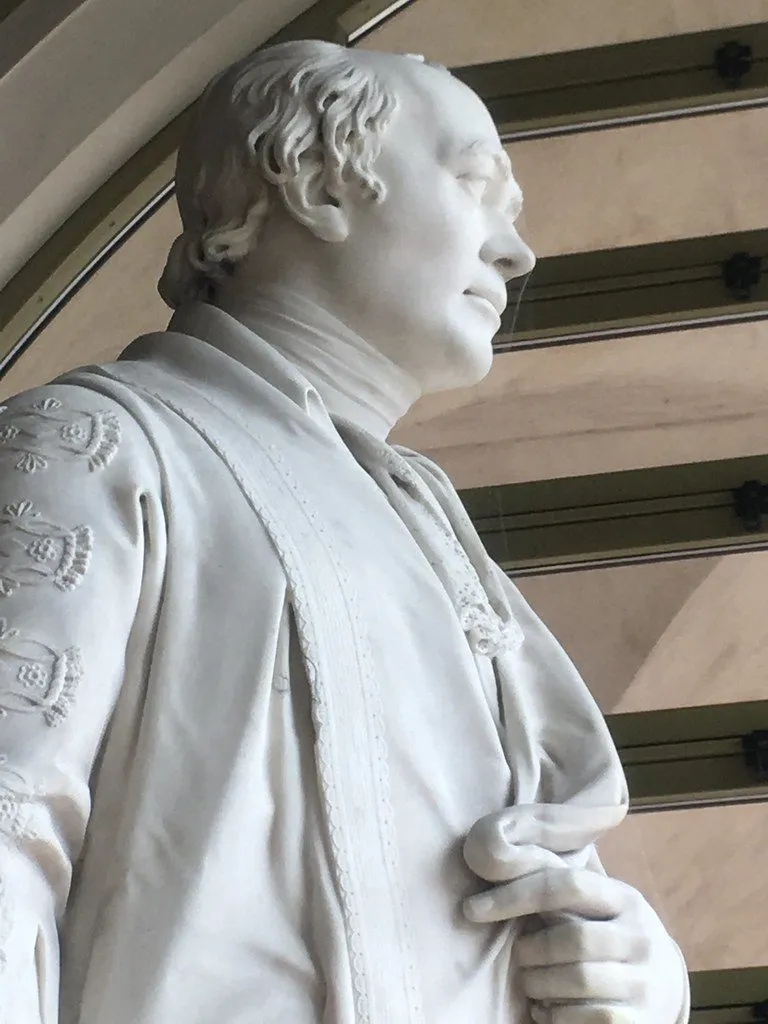
The article discusses the historical context of the assassination of British Prime Minister Spencer Perceval and draws parallels to the current political situation of Sir Keir Starmer. Perceval, who faced significant unpopularity during his tenure, was assassinated by John Bellingham, motivated by personal grievances against the government. The author reflects on how political leaders in Britain are typically removed through political means rather than violence, contrasting this with the fate of leaders in other countries.
- ▪Spencer Perceval was assassinated in 1812 due to his unpopular austerity policies during the Napoleonic Wars.
- ▪John Bellingham, the assassin, was motivated by personal grievances after being unjustly imprisoned in Russia.
- ▪The article highlights that no other British Prime Minister has been assassinated since Perceval, unlike leaders in other countries.
Opening excerpt (first ~120 words) tap to expand
It is ironic that the merry month of May today should also witness the prolonged political assassination of another PM, Sir Keir Starmer, by ungrateful members of his own party, who, like the rest of the country, have finally lost patience with their catastrophically unpopular and incompetent leader. Spencer Perceval was also extremely unpopular in the country. During his Premiership (1809-1812) Britain was fighting for its life against the tyranny of Napoleon’s European empire, and the harsh wartime economy enforced by Perceval had caused a severe crisis and provoked the violent Luddite riots which had been ruthlessly and efficiently suppressed. In modern terms the country was enduring a cost of living emergency.
…
Excerpt limited to ~120 words for fair-use compliance. The full article is at ConservativeHome.
Discussion
0 commentsMore from ConservativeHome