Opinion: The seed oil panic is hurting my cardiac patients
The article discusses the negative impact of the seed oil panic on cardiac patients. It argues that vegetable oils, often labeled as unhealthy, are actually beneficial when they replace saturated fats in the diet. The author emphasizes the importance of relying on scientific evidence rather than popular opinion regarding dietary fats.
- ▪The seed oil panic has gained institutional legitimacy, with prominent figures labeling vegetable oils as unhealthy.
- ▪Research shows that replacing saturated fats with polyunsaturated fats can significantly reduce cardiovascular disease risk.
- ▪The core claims of the seed oil panic lack support from randomized controlled trial evidence.
STAT News files mainly under health. We currently carry 308 of its stories.
Story provenance
Source · retrieval · rights · ranking — open for full record
inspect →
Story provenance
Attribution is not the same as permission. This drawer separates discovery metadata, excerpts, WeSearch-generated summaries, reuse status, and whether the publisher receives the visit. Nothing here claims a legal grant the publisher has not made.
Record
| Original publisher | STAT News |
| Canonical URL | https://www.statnews.com/2026/05/22/seed-oils-healthy-fats-tallow-fact-check-cardiac-health/?utm_campaign=rss |
| Publication time | Fri, 22 May 2026 08:30:00 +0000 |
| Retrieval time | 2026-05-22T08:32:01.187Z |
| Last seen | 2026-05-22T08:32:01.187Z |
| Headline source | Publisher (no WeSearch rewrite) |
| Excerpt source | publisher body |
| Excerpt method | First ~120 words (~800 chars) of extracted publisher body, fair-use limited. |
| Summary | WeSearch · cerebras-chat (WeSearch summarizer) |
| Summary source text | contentText |
| Citation coverage | Summary is a WeSearch-generated derivative; primary citation is the original publisher URL. |
| Cluster | vwXCi5DfvRhE |
| Cluster logic | Grouped by semantic title/content similarity across sources within a rolling window. Same-publisher template collisions are excluded from coverage comparison. |
| Ranking reason | Story pages are not engagement-ranked. Hub feeds use recency, with optional source-diversified chronological ordering (cap consecutive stories per source). No personalized ranking. |
| Publisher visit | Yes — open original |
| Substitutes article? | No — link-out required for full text |
Rights status (four layers)
WeSearch handling by dimension
| Indexing | May the item be indexed (stored, ranked, made findable)? | Allowed |
| Snippet | May a short excerpt of the publisher's text be shown? | Allowed |
| AI summary | May WeSearch generate its own short summary of the article? | Limited |
| Retrieval / RAG | May the content be exposed for third-party retrieval-augmented generation? | Not asserted |
| Model training | May the content be used to train AI models? | Not asserted |
| Commercial reuse | May the content be reused commercially? | Not permitted |
Basis: Derived from the published RSS/Atom feed. Contact: [email protected]. Reviewed: 2026-07-24.
Opening excerpt (first ~120 words) tap to expand
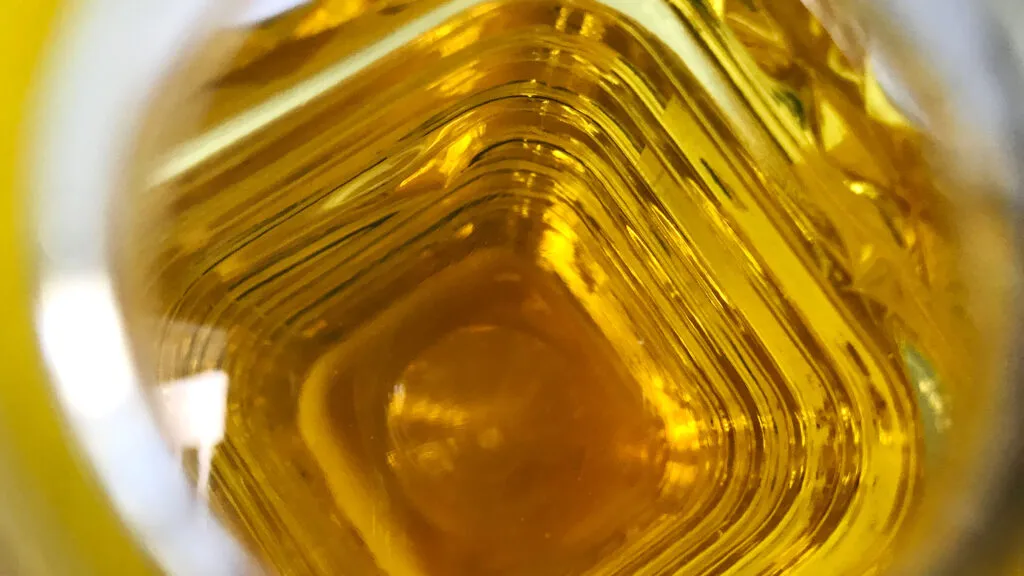
OpinionFirst Opinion The seed oil panic is hurting my cardiac patients As a clinical dietitian who works with cardiac patients, here’s what I want people to know Manage alerts for this article Email this article Share this article Vegetable oil isn’t the problem. The food product often surrounding the oil is, the writer contends.Adobe By Cole HansonMay 22, 2026 Hanson is a registered dietitian and clinical inpatient dietitian in Minneapolis. She came in wanting to do right by her husband. He’d been losing weight — the kind of weight loss that says something’s wrong — and she’d spent weeks trying to reverse it. Cream in his coffee, butter in his soups, all the gristle he could handle.
…
Excerpt limited to ~120 words for fair-use compliance. The full article is at STAT News.
Discussion
0 commentsMore from STAT News