Ozempic Is Finally Turning the Tide Against Obesity, New Data Shows
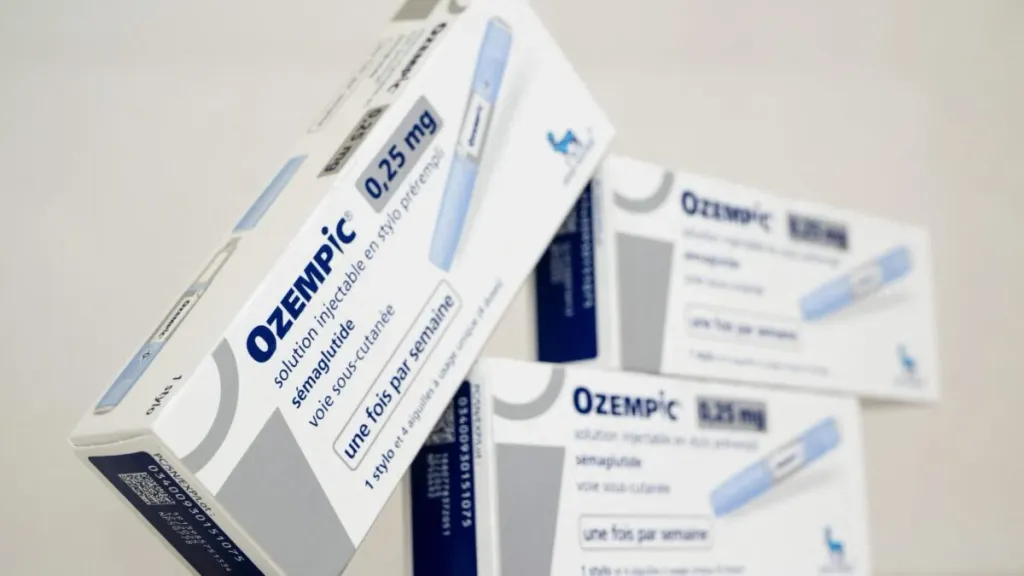
New data indicates that GLP-1 medications, such as Ozempic and Wegovy, are showing effectiveness in reducing obesity rates across the U.S. The prescription rate for these drugs has increased significantly, coinciding with a slight decline in obesity prevalence. While the long-term impact remains uncertain, the findings suggest a potential shift in the obesity trend in America.
- ▪GLP-1 prescriptions among U.S. adults increased more than fourfold from 2021 to 2026.
- ▪The obesity rate in the dataset declined from 42% to 41% during the same period.
- ▪Only about 12% of Americans are currently taking a GLP-1 medication, which is below the obesity prevalence.
Gizmodo files mainly under tech. We currently carry 536 of its stories.
Story provenance
Source · retrieval · rights · ranking — open for full record
inspect →
Attribution is not the same as permission. This drawer separates discovery metadata, excerpts, WeSearch-generated summaries, reuse status, and whether the publisher receives the visit. Nothing here claims a legal grant the publisher has not made.
Record
| Original publisher | Gizmodo |
| Canonical URL | https://gizmodo.com/ozempic-is-finally-turning-the-tide-against-obesity-new-data-shows-2000763506 |
| Publication time | Tue, 26 May 2026 18:55:32 +0000 |
| Retrieval time | 2026-05-26T18:57:53.701Z |
| Last seen | 2026-05-26T18:57:53.701Z |
| Headline source | Publisher (no WeSearch rewrite) |
| Excerpt source | publisher body |
| Excerpt method | First ~120 words (~800 chars) of extracted publisher body, fair-use limited. |
| Summary | WeSearch · cerebras-chat (WeSearch summarizer) |
| Summary source text | contentText |
| Citation coverage | Summary is a WeSearch-generated derivative; primary citation is the original publisher URL. |
| Cluster | N7YPauzeH8Uk |
| Cluster logic | Grouped by semantic title/content similarity across sources within a rolling window. Same-publisher template collisions are excluded from coverage comparison. |
| Ranking reason | Story pages are not engagement-ranked. Hub feeds use recency, with optional source-diversified chronological ordering (cap consecutive stories per source). No personalized ranking. |
| Publisher visit | Yes — open original |
| Substitutes article? | No — link-out required for full text |
Rights status (four layers)
WeSearch handling by dimension
| Indexing | May the item be indexed (stored, ranked, made findable)? | Allowed |
| Snippet | May a short excerpt of the publisher's text be shown? | Allowed |
| AI summary | May WeSearch generate its own short summary of the article? | Limited |
| Retrieval / RAG | May the content be exposed for third-party retrieval-augmented generation? | Not asserted |
| Model training | May the content be used to train AI models? | Not asserted |
| Commercial reuse | May the content be reused commercially? | Not permitted |
Basis: Derived from the published RSS/Atom feed. Contact: [email protected]. Reviewed: 2026-07-24.
Opening excerpt (first ~120 words) tap to expand
New data seems to show that GLP-1 medications like semaglutide, the active ingredient in popular drugs Ozempic and Wegovy, are working on a population-wide level. Last late week, health analytics organization EPIC Research released two data trackers looking at the medical records of people across the country. The prescription rate of GLP-1 drugs in the U.S. has skyrocketed in recent years, the data shows, coinciding with a modest but sustained drop in the obesity rate. Though it’s still too early to tell, the long-term and widespread use of GLP-1s could finally start to help turn the tide against…
Excerpt limited to ~120 words for fair-use compliance. The full article is at Gizmodo.
Discussion
0 commentsMore from Gizmodo