Quantum can wait: Why CISOs should focus on today’s preventable cyber risks
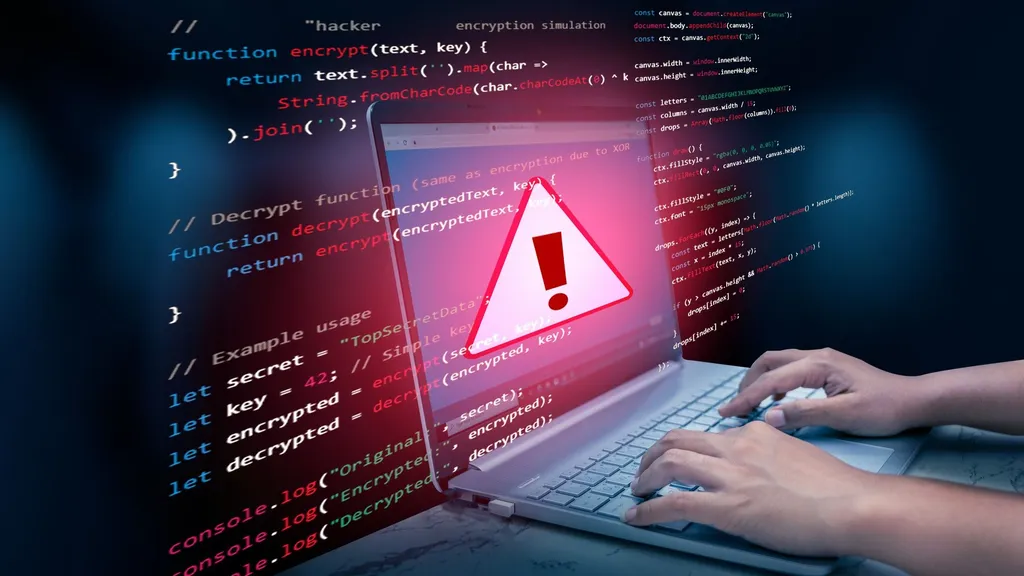
CISOs are increasingly focused on the long-term threat of quantum computing, but the immediate priority should be addressing today's preventable cyber risks. Most major breaches stem from poor cyber hygiene rather than advanced threats, highlighting the need for stronger foundational security practices. While quantum computing will eventually impact encryption, it is unlikely to pose a real threat until the 2030s.
- ▪Quantum computing is expected to break current encryption methods, but credible estimates suggest this won't happen until the early to mid-2030s.
- ▪Many recent cyber attacks have exploited gaps in basic cyber hygiene, such as weak MFA and poor EDR deployment.
- ▪CISOs risk overlooking fundamental security measures by focusing too heavily on future threats like quantum computing.
- ▪Organizations should prioritize improving existing security controls rather than over-investing in theoretical future risks.
- ▪Guidance from bodies like the NCSC has elevated quantum computing on strategic agendas, potentially diverting attention from current vulnerabilities.
TechRadar publishes from United Kingdom and files mainly under tech. We currently carry 1,297 of its stories.
Story provenance
Source · retrieval · rights · ranking — open for full record
inspect →
Attribution is not the same as permission. This drawer separates discovery metadata, excerpts, WeSearch-generated summaries, reuse status, and whether the publisher receives the visit. Nothing here claims a legal grant the publisher has not made.
Record
| Original publisher | TechRadar |
| Canonical URL | https://www.techradar.com/pro/quantum-can-wait-why-cisos-should-focus-on-todays-preventable-cyber-risks |
| Publication time | Tue, 28 Apr 2026 10:30:18 +0000 |
| Retrieval time | 2026-04-28T10:33:54.024Z |
| Last seen | 2026-04-28T10:33:54.024Z |
| Headline source | Publisher (no WeSearch rewrite) |
| Excerpt source | publisher body |
| Excerpt method | First ~120 words (~800 chars) of extracted publisher body, fair-use limited. |
| Summary | WeSearch · cerebras-chat (WeSearch summarizer) |
| Summary source text | contentText |
| Citation coverage | Summary is a WeSearch-generated derivative; primary citation is the original publisher URL. |
| Cluster | EHj_eC5wtyCo |
| Cluster logic | Grouped by semantic title/content similarity across sources within a rolling window. Same-publisher template collisions are excluded from coverage comparison. |
| Ranking reason | Story pages are not engagement-ranked. Hub feeds use recency, with optional source-diversified chronological ordering (cap consecutive stories per source). No personalized ranking. |
| Publisher visit | Yes — open original |
| Substitutes article? | No — link-out required for full text |
Rights status (four layers)
WeSearch handling by dimension
| Indexing | May the item be indexed (stored, ranked, made findable)? | Allowed |
| Snippet | May a short excerpt of the publisher's text be shown? | Allowed |
| AI summary | May WeSearch generate its own short summary of the article? | Limited |
| Retrieval / RAG | May the content be exposed for third-party retrieval-augmented generation? | Not asserted |
| Model training | May the content be used to train AI models? | Not asserted |
| Commercial reuse | May the content be reused commercially? | Not permitted |
Basis: Derived from the published RSS/Atom feed. Contact: [email protected]. Reviewed: 2026-07-24.
Opening excerpt (first ~120 words) tap to expand
Pro Quantum can wait: Why CISOs should focus on today’s preventable cyber risks Opinion By Jon Abbott published 28 April 2026 Focusing on the cyber risks of today When you purchase through links on our site, we may earn an affiliate commission. Here’s how it works. (Image credit: sarayut Thaneerat/ via Getty Images) Copy link Facebook X Whatsapp Reddit Pinterest Flipboard Threads Email Share this article 0 Join the conversation Follow us Add us as a preferred source on Google Newsletter Subscribe to our newsletter The cybersecurity industry has long grappled with how to prepare for threats on the horizon, and few have seized attention as firmly as quantum computing.
…
Excerpt limited to ~120 words for fair-use compliance. The full article is at TechRadar.
Discussion
0 commentsMore from TechRadar