Scientists Warn This Year’s El Niño Could Create Brand New Extreme Weather Patterns
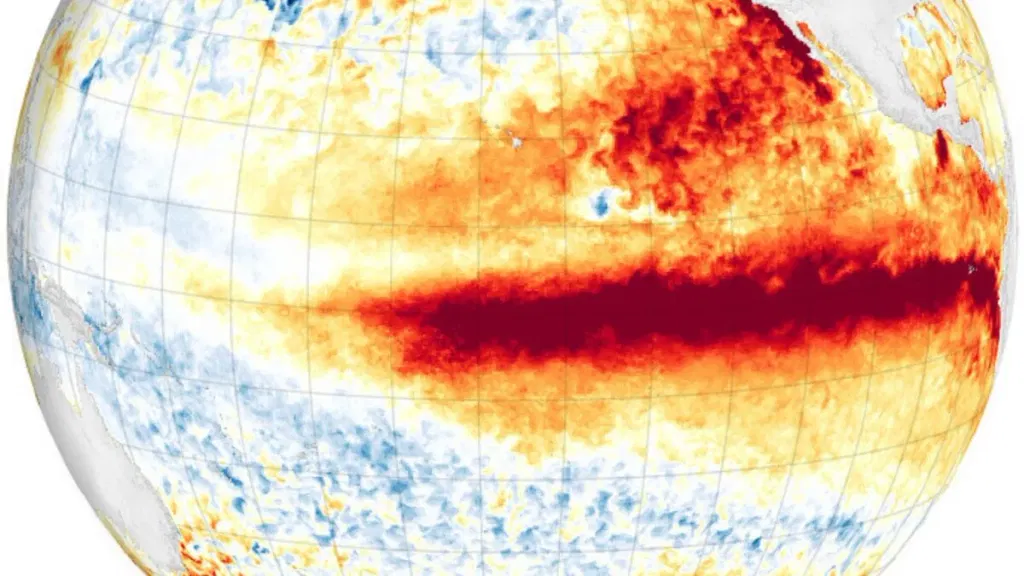
Climate scientists warn that the current El Niño event may produce unprecedented extreme weather patterns due to the interference of global warming. Research indicates that rising ocean temperatures have disrupted traditional teleconnections, causing unexpected climate shifts in regions like the Amazon and North America. Experts emphasize that historical data is becoming less reliable for forecasting, making it increasingly difficult to predict and prepare for future weather anomalies.
- ▪NCAR researchers found that global warming offset the expected wet and dry seasonal patterns in the United States during the 2023-2024 El Niño event.
- ▪The 2023-2024 El Niño contributed to severe droughts in the Amazon, marking the worst conditions Brazil has experienced in 120 years.
- ▪Climate teleconnections in southern Asia and Western Europe have inverted compared to patterns observed between 1960 and 1990.
- ▪The current El Niño is the first since the late 1990s to be generated by warm ocean temperatures in the eastern Pacific rather than the central Pacific.
- ▪Scientists state that anthropogenic warming has altered the baseline climate, rendering historical precedents unreliable for predicting future ENSO teleconnections.
Gizmodo files mainly under tech. We currently carry 1,001 of its stories.
Story provenance
Source · retrieval · rights · ranking — open for full record
inspect →
Story provenance
Attribution is not the same as permission. This drawer separates discovery metadata, excerpts, WeSearch-generated summaries, reuse status, and whether the publisher receives the visit. Nothing here claims a legal grant the publisher has not made.
Record
| Original publisher | Gizmodo |
| Canonical URL | https://gizmodo.com/scientists-warn-this-years-el-nino-could-create-brand-new-extreme-weather-patterns-2000811552 |
| Publication time | Mon, 14 Sep 2026 22:15:04 +0000 |
| Retrieval time | 2026-09-14T22:16:51.423Z |
| Last seen | 2026-09-14T22:16:51.423Z |
| Headline source | Publisher (no WeSearch rewrite) |
| Excerpt source | publisher body |
| Excerpt method | First ~120 words (~800 chars) of extracted publisher body, fair-use limited. |
| Summary | WeSearch · cerebras-chat (WeSearch summarizer) |
| Summary source text | contentText |
| Citation coverage | Summary is a WeSearch-generated derivative; primary citation is the original publisher URL. |
| Cluster | duHI62oL64aG · 1 stories |
| Cluster logic | Grouped by semantic title/content similarity across sources within a rolling window. Same-publisher template collisions are excluded from coverage comparison. |
| Ranking reason | Story pages are not engagement-ranked. Hub feeds use recency, with optional source-diversified chronological ordering (cap consecutive stories per source). No personalized ranking. |
| Publisher visit | Yes — open original |
| Substitutes article? | No — link-out required for full text |
Rights status (four layers)
WeSearch handling by dimension
| Indexing | May the item be indexed (stored, ranked, made findable)? | Allowed |
| Snippet | May a short excerpt of the publisher's text be shown? | Allowed |
| AI summary | May WeSearch generate its own short summary of the article? | Limited |
| Retrieval / RAG | May the content be exposed for third-party retrieval-augmented generation? | Not asserted |
| Model training | May the content be used to train AI models? | Not asserted |
| Commercial reuse | May the content be reused commercially? | Not permitted |
Basis: Derived from the published RSS/Atom feed. Contact: [email protected]. Reviewed: 2026-07-24.
Opening excerpt (first ~120 words) tap to expand
Something weird happened during the El Niño event of 2023 and 2024. Climate scientists with the National Science Foundation’s National Center for Atmospheric Research (NCAR) in Boulder, Colorado, noticed that the recurring global climate event somehow did not bring the expected wetter seasons to the United States’ southern tier, nor a dry season to its northern regions. But this El Niño’s powerful effects were still felt elsewhere—including punishing droughts in the Amazon, the likes of which Brazil had not seen in 120…
Excerpt limited to ~120 words for fair-use compliance. The full article is at Gizmodo.
Discussion
0 commentsMore from Gizmodo